
Gargždai Health Centre to Launch Advanced Hydrotherapy Hub
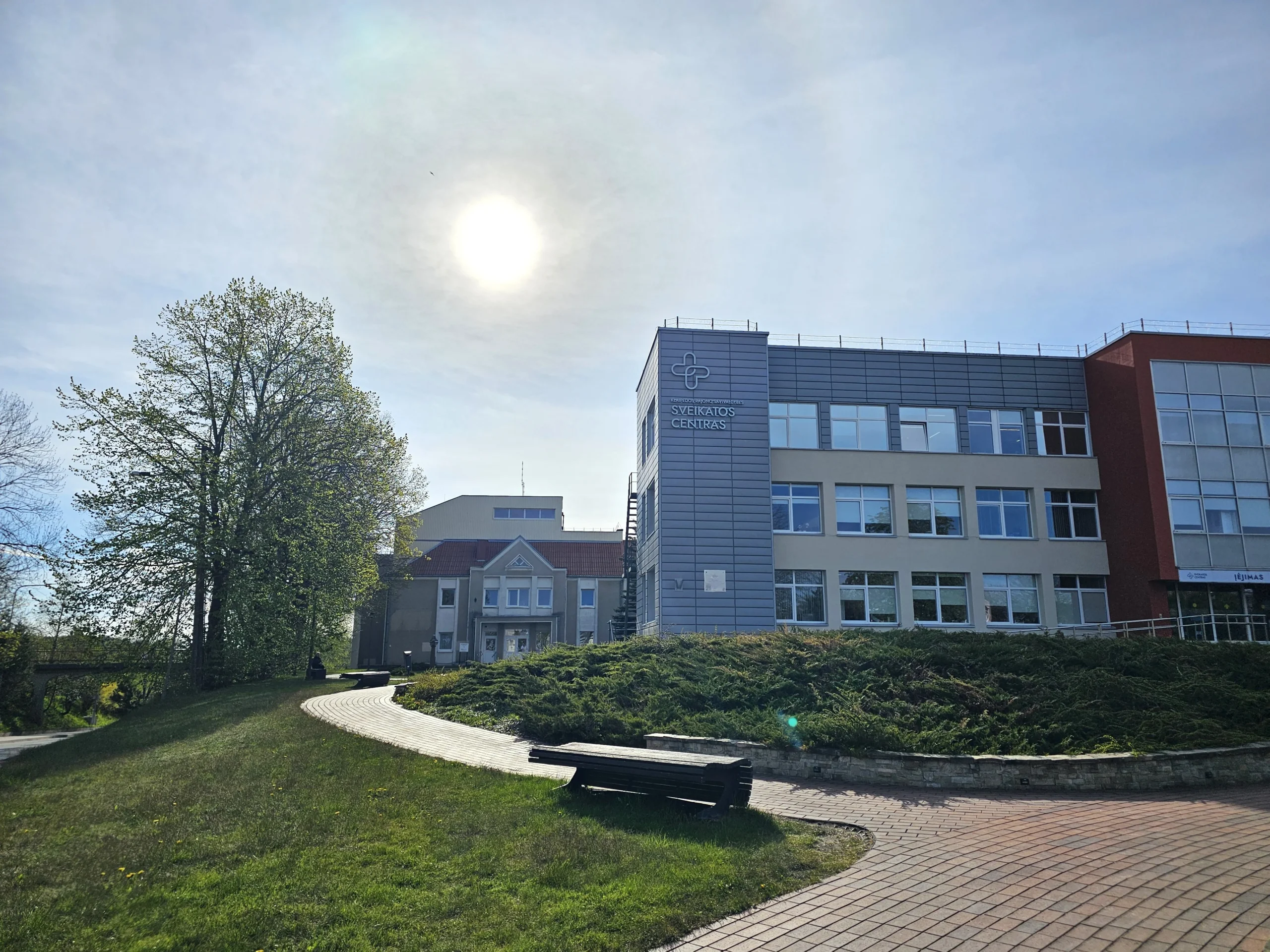
Residents of the Klaipėda district in Lithuania are set to benefit from a significant upgrade to their local healthcare infrastructure as the Gargždai Health Centre undergoes a major transformation. The project, which has already commenced, aims to shift the facility from a standard regional clinic into a modern hub for physical rehabilitation, with a specific focus on water-based therapies.
The renovation is designed to address a growing demand for local rehabilitation services, ensuring that patients can access high-quality recovery care without traveling to major metropolitan hospitals. By the end of this year, the facility will introduce a suite of services previously unavailable in the municipality, marking a shift toward integrated wellness and medical recovery.
Specialised Water Therapy and Modern Rehabilitation
The most significant changes are taking place within the physical medicine and rehabilitation department, located in the centre’s ‘B’ wing. The facility is being outfitted with new medical equipment and modern furniture, but the centerpiece of the upgrade is the introduction of therapeutic water procedures.
Patients will soon have access to hydromassage baths, specialised arm and leg baths, and vertical baths designed specifically for underwater stretching exercises. Furthermore, a new swimming pool is being installed to facilitate group water gymnastics and various other therapeutic aquatic procedures. According to Vytautas Butkus, Vice-Mayor of the Klaipėda District, the goal is to provide residents with modern, effective rehabilitation services as close to home as possible.
In addition to the water therapy units, the centre is renovating its kinesitherapy, occupational therapy, and massage rooms. To improve patient flow, a dedicated information post for rehabilitation registration is also being established.
Strategic Infrastructure and Civil Resilience
The project carries a total price tag of €781,415.58, with the local municipality contributing approximately €250,000 toward the costs. The contract for the works was awarded to UAB “Baltic research statyba,” with a strict deadline for completion by the end of 2024.
| Project Metric | Detail |
|---|---|
| Total Investment | €781,415.58 |
| Municipal Funding | ~€250,000 |
| Expected Completion | Late 2024 |
| Key New Amenities | Hydrotherapy pool, vertical baths, 25 new parking spaces |
| Main Contractor | UAB Baltic research statyba |
Beyond immediate medical benefits, the renovation includes a strategic element of civil resilience. The premises are being adapted to function during potential civil emergencies. In the event of a crisis, the rooms can be rapidly transformed to accommodate a higher volume of patients, ensuring the facility remains a vital asset for regional safety.
Improving Accessibility and Regional Reach
A core component of the renovation is ensuring that the health centre is accessible to all members of the community, regardless of mobility. The infrastructure is being updated to meet modern disability standards, including the installation of a specialised lift and four new ramps. Internal layouts are also being modified to allow for easier movement for those using wheelchairs or walking aids.
External improvements are equally comprehensive. The municipality is preparing to tender for the renovation of the surrounding grounds, which will add 25 new parking spaces. The entrance to the facility is being made safer by removing an existing electricity pylon that obstructed traffic, and the access points to the Emergency and Admissions Department are being streamlined to ensure faster patient intake.
Despite the ongoing construction, the Gargždai Health Centre remains operational. While some temporary organisational changes may occur, the administration has confirmed that medical services will continue to be provided throughout the renovation period. This project represents a broader trend in the Baltic states to decentralise specialised medical care, bringing advanced recovery technology to regional towns.
Original reporting by: elta
Source: ELTA


Comments