
Hackney renters face two-year affordable homes gap
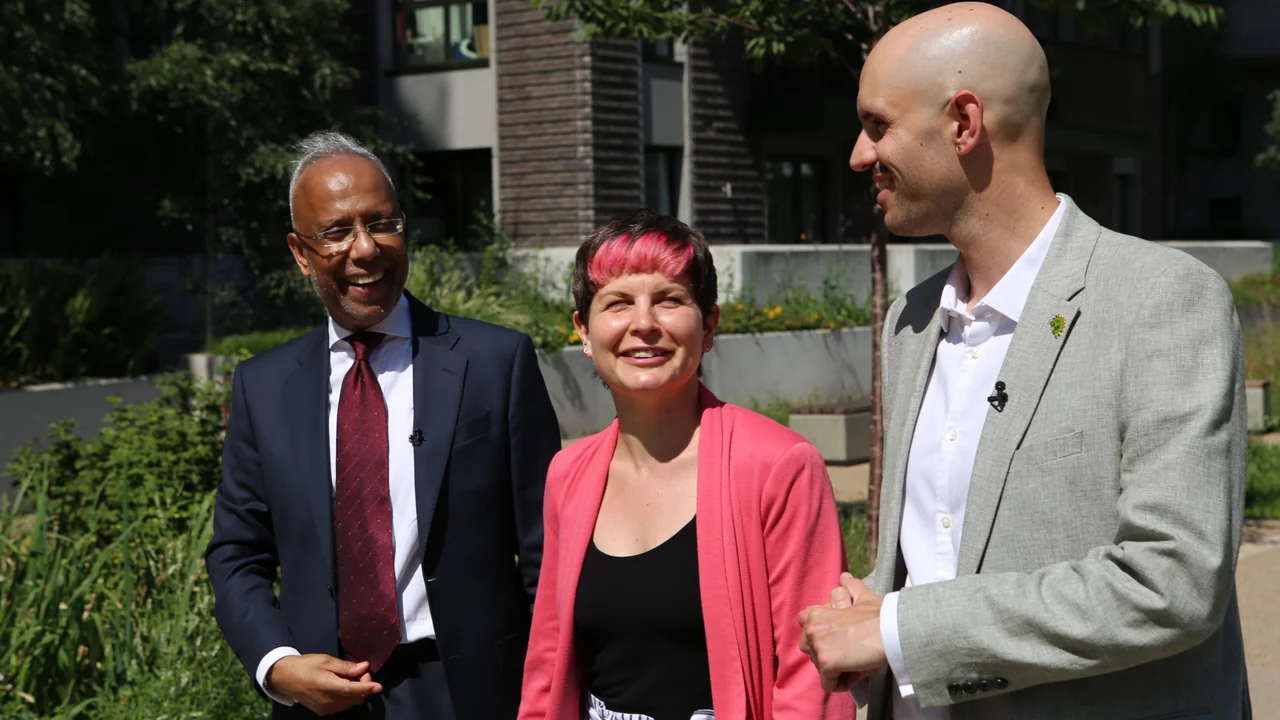
Hackney’s affordable housing requirement for qualifying new developments is set to return to 35% in 2028 after the Mayor of London partially reversed plans that could have allowed the proportion to fall to 20%. The concession follows a legal challenge brought by Hackney, Tower Hamlets and Lewisham councils, but it leaves a two-year window in which schemes in Hackney could still proceed under the lower threshold.
The change matters to residents because the percentage determines how much affordable housing developers must include to follow the relevant planning route. A reduction from 35% to 20% would mean 15 fewer affordable homes for every 100 homes covered by an equivalent calculation, although the actual outcome of any development would depend on its size, planning assessment and agreed tenure mix.
Hackney’s 35% requirement returns in 2028
Under the revised approach described by Hackney Council, the proposed 20% rate will be withdrawn in 2028. Individual affordable housing quotas will then be introduced for London boroughs, with Hackney’s requirement returning to 35%.
Read also: Hackney mourns 12-year-old after Marshes tragedy
Read also: How Londoners can shape the Draft London Plan on 22 July
That is a significant retreat from the earlier proposal, which would have permitted developers to reduce the affordable share in new London projects from 35% to as little as 20%. It does not, however, restore Hackney’s existing position immediately.
The interim period is the central unresolved issue. Until the borough-specific quota takes effect in 2028, developers may still be able to bring forward Hackney schemes using the lower benchmark. Projects progressing during that window could affect housing delivery beyond 2028 because planning decisions made earlier can shape what is ultimately built.
Families and private renters remain exposed to the delay
Mayor of Hackney Zoë Garbett said the reversal was good news for families living in unsuitable temporary accommodation, households waiting years for an affordable home and private renters facing insecure tenancies.
Those groups will not necessarily experience an immediate increase in available homes. Planning thresholds influence the pipeline of future development, while delivery also depends on permission, financing, construction and completion. The practical benefit of the restored 35% quota is therefore likely to emerge over time rather than through an instant change in housing availability.
Hackney’s concern is that the two-year gap may reduce the affordable component of projects submitted or assessed before the new borough quota begins. Garbett also argued that the revised policy leaves other boroughs without a defined return to the 35% level.
Nearby councils are pursuing their own housing programmes, including a Bethnal Green scheme combining affordable homes with community facilities. Such council-led projects form only part of London’s supply, making the requirements applied to private developments consequential for the overall pipeline.
Three councils used a Judicial Review challenge
Hackney Council joined Tower Hamlets Council and Lewisham Council in launching a Judicial Review challenge against the Mayor of London’s proposed reduction. Judicial Review is the process used to ask a court to examine whether a public authority reached a decision lawfully; it does not ask the court to substitute its own preferred housing policy.
The partial reversal came after that challenge was initiated. Hackney presents the revised 2028 arrangement as a concession secured through the councils’ intervention, while the available source account does not provide a final court judgment or say that the wider dispute has ended.
The next test comes before the new quota starts
Attention now shifts to the detailed implementation of the borough-level system and the treatment of planning applications during the transition. The number, scale and affordable tenure of schemes progressing under the interim threshold will determine how much lasting effect the two-year gap has on Hackney’s housing pipeline.
Garbett said Hackney was pleased the Mayor of London had listened but would continue pressing for affordable housing. The next verifiable milestone is the publication and adoption of the borough-specific arrangements that are intended to restore Hackney’s 35% requirement in 2028.
Source: Hackney Council
Context & actions About this article
Source check Source trail
This report distinguishes the confirmed 2028 concession from the unresolved two-year transition described by Hackney Council.
- Checked the stated change from a possible 20% threshold to a 35% Hackney quota in 2028.
- Separated the interim policy period from the borough-specific arrangement due to begin in...
- Attributed the Judicial Review challenge to Hackney, Tower Hamlets and Lewisham councils.
- Avoided treating the council’s account as evidence of a final court judgment.
- Source
- Hackney Council
- Scope
- Hackney
- Updated
- 2026-08-16 17:28
Source check
Report a trust issue
Send a clear signal to community moderation if the source, facts or context need review.


Comments