
How Leicester shaped the 100-year journey of Sir David Attenborough
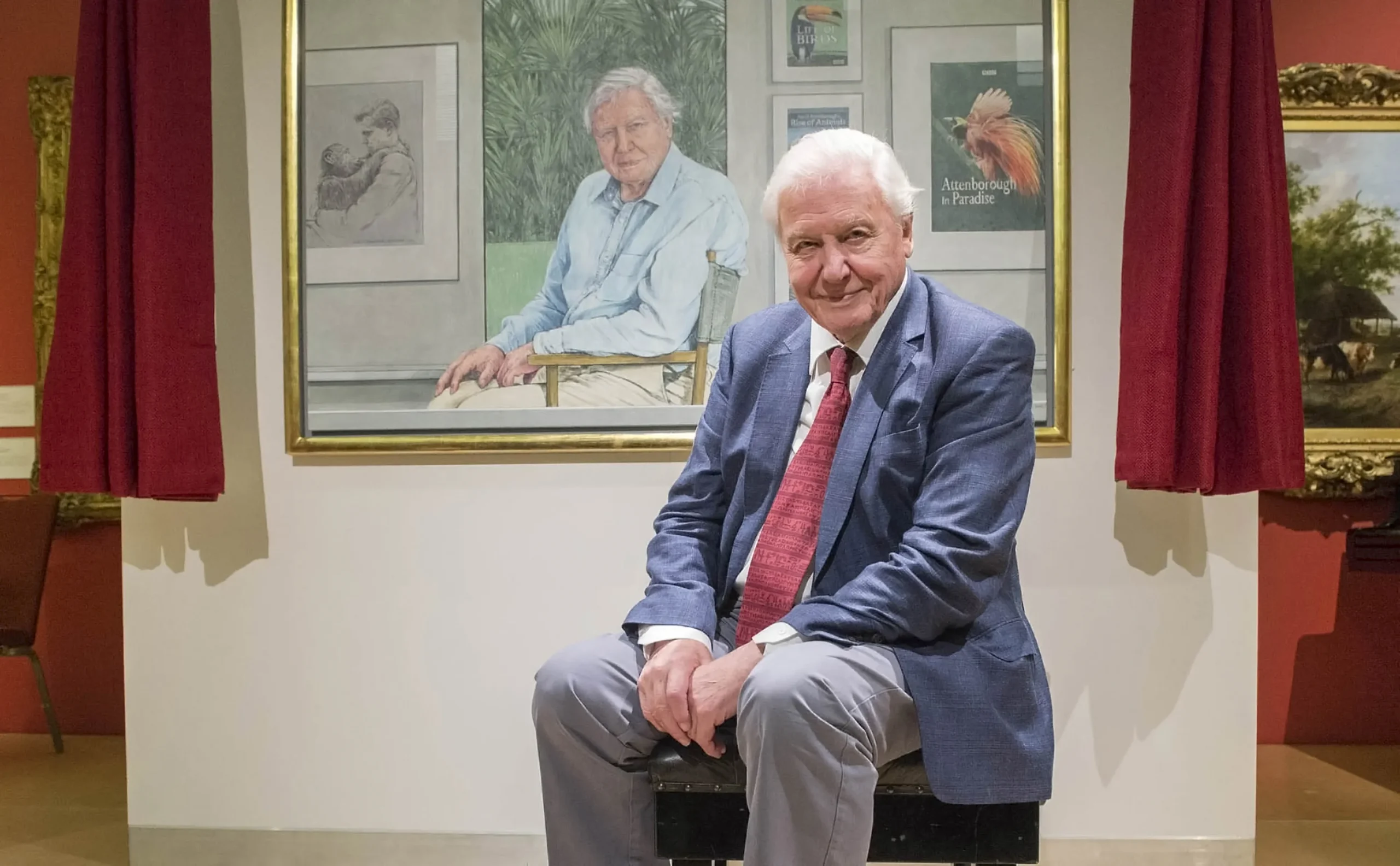
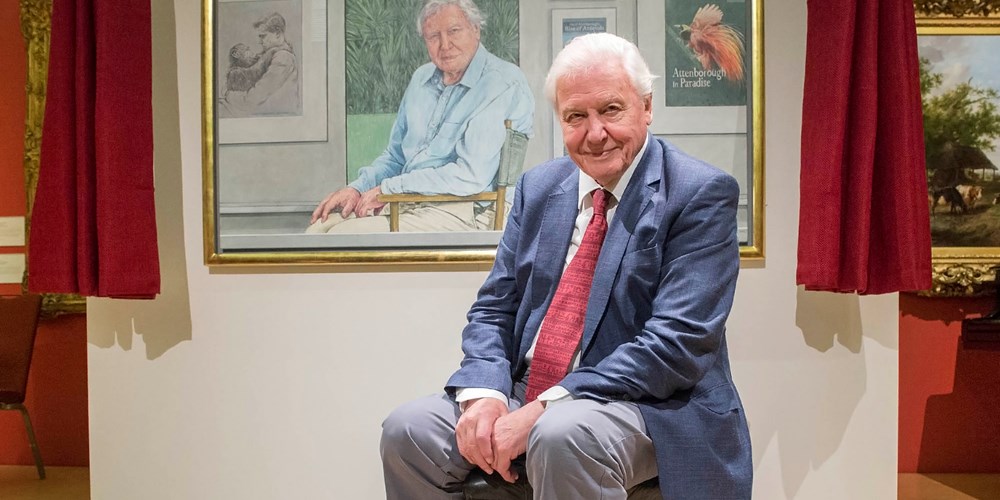
In a quiet corner of the Leicester Museum & Art Gallery hangs a portrait of a man whose voice has defined the natural world for generations. Sir David Attenborough, captured in 2016 by artist Bryan Organ, looks out with the same curiosity that first led him to these very halls as a young boy. On Friday, 8 May 2026, that boy from Leicester celebrates his 100th birthday, marking a century of a life that began its most formative chapters in the heart of the East Midlands.
Sir David’s connection to the city is not merely a matter of birth or residence; it is the foundation of his career. Moving to Leicester in 1932, he grew up on the grounds of what is now the University of Leicester. His father, Frederick Attenborough, served as the second Principal of University College, placing the young David in an environment where education and inquiry were part of the daily landscape.
From campus childhood to global conservation
The Attenborough family lived in College House on the university campus, a setting that allowed David and his brothers, including the late filmmaker Richard Attenborough, to explore the academic and natural world from their doorstep. David attended the nearby Wyggeston Grammar School for Boys—known today as Wyggeston and Queen Elizabeth I College—where his interest in the sciences began to take a formal shape.
However, it was the Leicester Museum & Art Gallery on New Walk that acted as his true classroom. As a young volunteer, he spent hours among the geological and natural science collections. These early encounters with the physical history of the earth provided the spark for his future as a naturalist. Reflecting on these years, Sir David once noted that the museum’s fossils were the primary reason he wanted to understand the natural world, stating that the institution had a profound effect on his entire career trajectory.
A family legacy woven into Leicester’s culture
The Attenborough name is synonymous with the cultural fabric of Leicester. The family’s generosity has supported the city’s institutions for decades. Frederick Attenborough was a patron of the city’s first exhibition of German Expressionist art in 1944, a collection that remains a significant draw for the museum today.
In 2007, the family’s ties were further strengthened when Lord Richard and Lady Sheila Attenborough donated their extensive collection of Picasso ceramics to the city’s museums. This history of contribution was formally recognized in 1989, when both David and Richard were granted the Honorary Freedom of the City of Leicester, the highest honor the municipality can bestow.
The practical picture
Residents and visitors looking to join the centenary celebrations can engage with several local initiatives:
- Digital Archive: Leicester Museums & Galleries have launched a dedicated webpage featuring rare archive photos and video footage of Sir David’s time in the city.
- Portrait Viewing: The 90th-birthday portrait by Bryan Organ is on public display at the Leicester Museum & Art Gallery.
- County Events: Various organizations across Leicestershire are hosting commemorative events throughout May 2026.
- Educational Resources: The new digital portal includes insights into the specific geological collections that inspired Sir David’s early research.
Celebrating a century of exploration in 2026
City Mayor Peter Soulsby recently highlighted that while Sir David’s career has inspired millions globally, the story of his fascination with nature is a local one. The city’s role in nurturing that early curiosity remains a point of significant civic pride. Leicester joins the rest of the nation in honoring a life dedicated to the protection of the planet and the education of its people.
For those wishing to explore the specific locations mentioned, the University of Leicester campus and the New Walk museum remain central landmarks of his early life. Detailed information regarding the full schedule of centenary events is being coordinated through the city’s official tourism and museum portals.
Source: Leicester City Council


Comments