
How Lidl’s Bottle Return Scheme is Funding a Child’s First Trip to the Sea
In Lithuania, May 15th marks Children’s Day—a date usually associated with celebration and carefree moments. However, for many children across the country, the reality is far more modest. To bridge this gap, a unique partnership between retail giant Lidl and several major NGOs is demonstrating how the simple act of recycling a plastic bottle can translate into life-changing experiences for vulnerable youth.
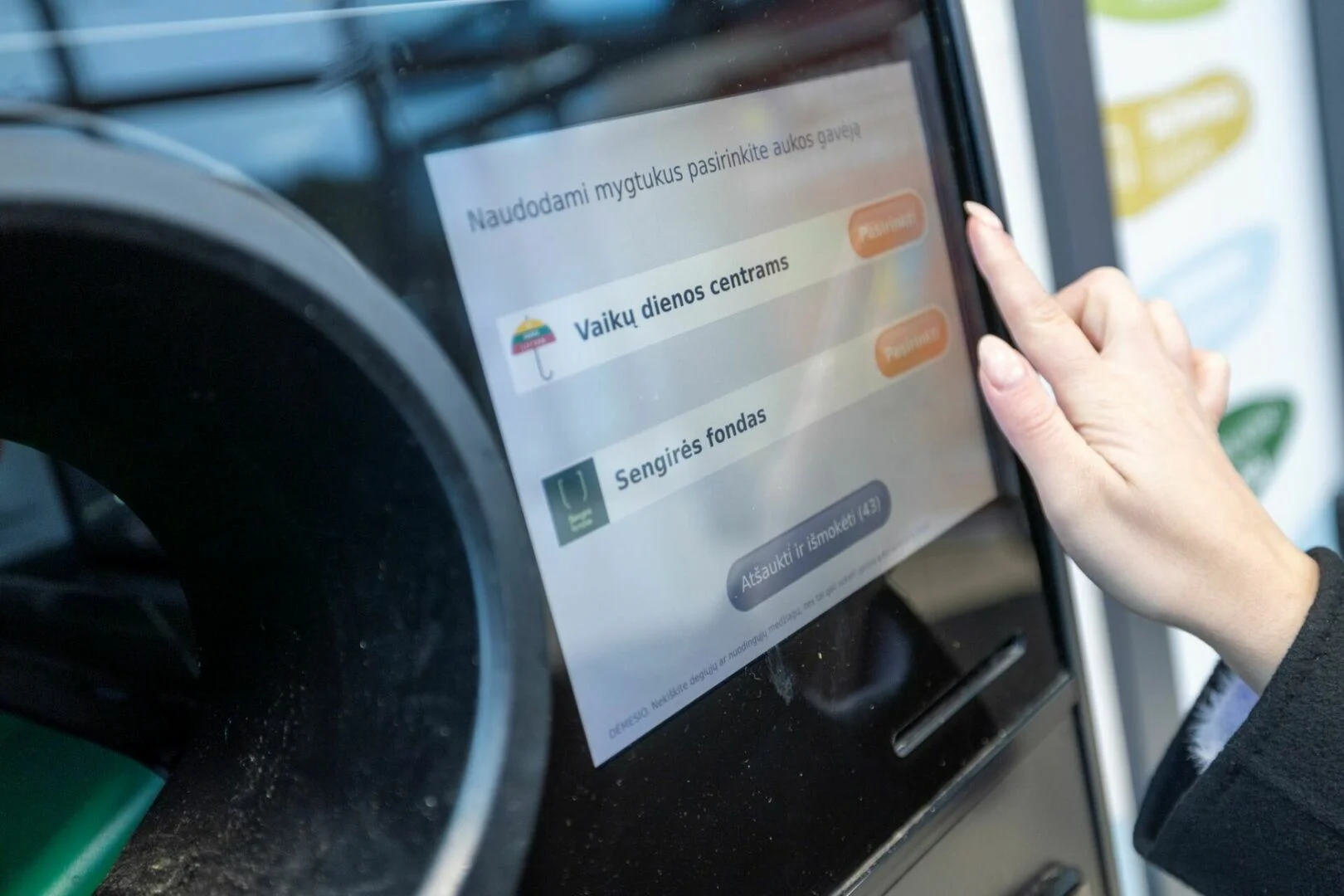
Through a long-standing initiative, Lidl Lithuania is encouraging customers to use the country’s deposit return system (DRS) not just for personal refunds, but as a direct pipeline for charitable giving. By pressing a single button on the reverse vending machines (taromatai), shoppers can donate their accumulated deposit to children’s day centers. In a significant show of corporate responsibility, Lidl then doubles every cent donated by the public.
Transforming Spare Change into Childhood Memories
The mechanics of the initiative are designed for maximum ease and immediate impact. When returning empty beverage containers, customers are presented with a choice: redeem the deposit for a store voucher or donate it to charity. These funds are distributed equally among three major organizations: Caritas Lithuania, Save the Children, and the Order of Malta Relief Organization.
Since the project’s inception, the collective generosity of shoppers has reached a staggering milestone of nearly €700,000. In the first quarter of 2024 alone, over €19,000 was raised. While a single bottle might only represent 10 cents, the cumulative effect allows these organizations to provide more than just the basics. The funds are earmarked for “first-time” experiences—things many take for granted, such as a trip to the seaside, a visit to a horse ranch, or even a simple group pizza night.

The Vital Role of Children’s Day Centers
For many families facing financial hardship, children’s day centers are a lifeline. These are not merely after-school clubs; they are safe havens where children learn about trust, community, and social bonds.
Vaida Šalaševičienė, a regional manager for the Order of Malta, explains that these centers often fill a generational gap. Many children lack close relationships with grandparents or extended family. Within the centers, they engage in community-building activities, such as drawing cards for the elderly or listening to volunteers speak about the importance of care. This environment fosters a sense of belonging that is often missing from their home lives.
In places like Zarasai, the local day center collaborates with libraries to provide colorful educational programs, such as the “Penguin’s Journey” or Mother’s Day celebrations. These activities provide a sense of normalcy and joy that helps mitigate the effects of social exclusion.

Facing the Challenges of Rising Costs
Despite their importance, these centers face significant operational hurdles. Inflation and rising utility costs mean that basic maintenance—keeping the lights on and the rooms heated—consumes a large portion of their budgets. This leaves very little for the “extras” that define a happy childhood.
Jūratė Blinstrubaitė, coordinator for Caritas Lithuania, notes that they refuse to let financial constraints dampen a child’s ability to dream. Even when utility bills rise, the centers strive to fulfill promises made to the children, such as the highly anticipated summer trips to the Baltic Sea. For many of these children, the day center is their only window to the wider world and their only chance to see the sea before returning to school in September.
How the Community Creates Change
The success of the Lidl initiative highlights a growing trend in retail-led philanthropy: making it effortless for the public to contribute. Martynas Grunevas, head of day centers for Save the Children, emphasizes that the “magic” lies in the collective effort. When thousands of people decide not to be indifferent, the small change from a few bottles becomes a tangible result—a day at the beach or a new educational experience that a child will remember for years.
For UK observers, where deposit return schemes are a frequent topic of policy debate, the Lithuanian model offers a compelling case study. It proves that sustainability infrastructure can serve a dual purpose: protecting the environment while simultaneously providing a sustainable funding stream for the most vulnerable members of society.
Source: BNS




Comments