
How RNLI patrols protect Arun’s busiest beaches
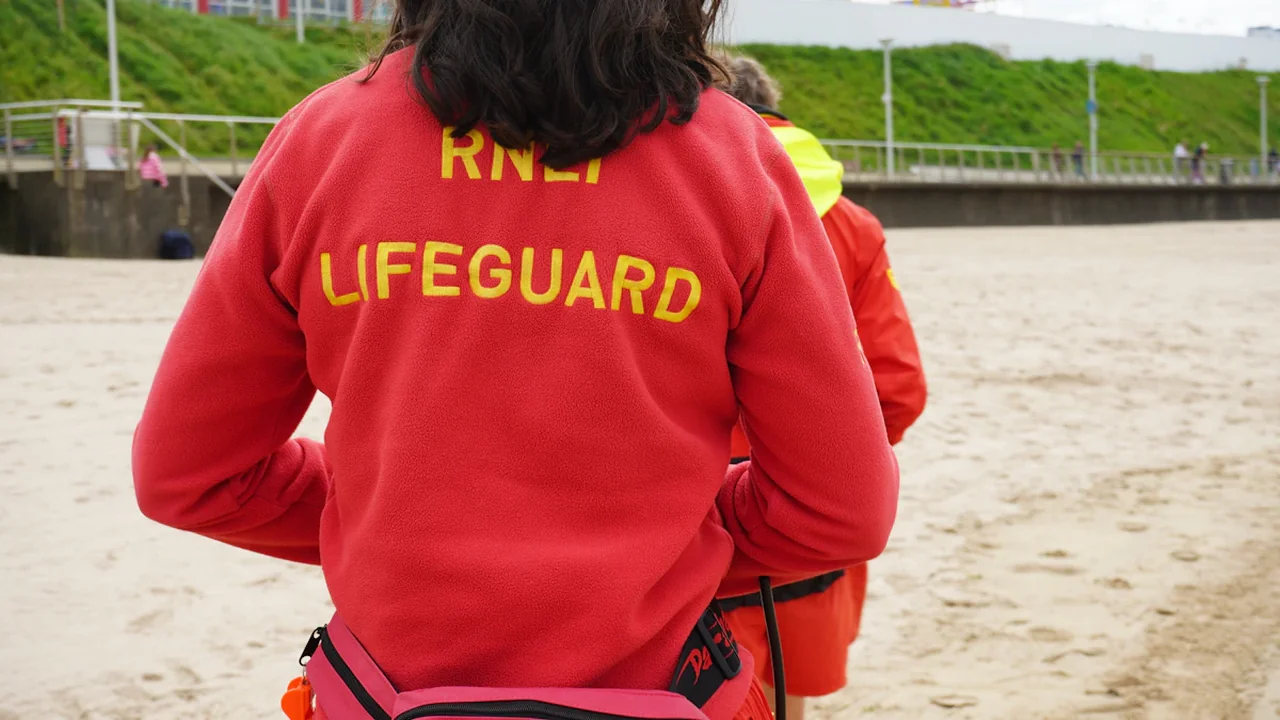
Red and yellow flags will return to three of Arun district’s busiest beaches this summer as the RNLI lifeguard service marks 25 years of coastal patrols.
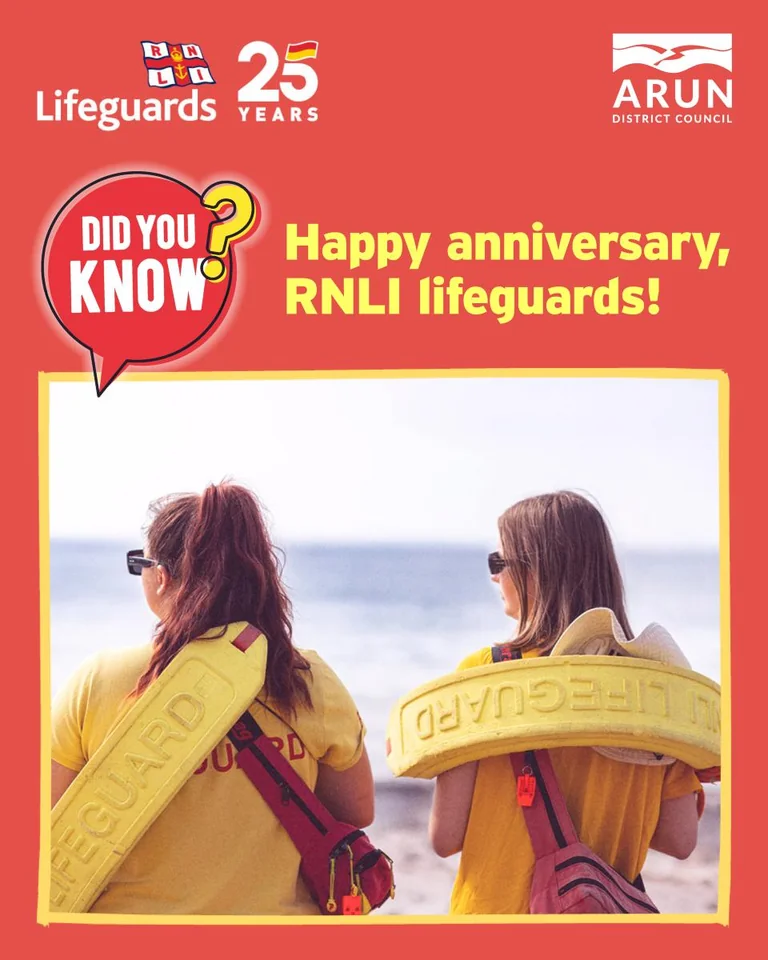
The Royal National Lifeboat Institution launched the service in 2001 amid concern about fatalities around the coast. Lifeguards helped save 20 lives during that first year. In 2026, Arun District Council is highlighting how the service now combines rescues, first aid and early intervention at Bognor Regis and Littlehampton.
Prevention accounts for most lifeguard work
RNLI lifeguards now patrol more than 245 beaches across the UK and Channel Islands. Since 2001, they have carried out more than 48 million preventative actions, attended 330,000 incidents and assisted over 440,000 people. More than 2,000 lives have been saved.
Around 95% of the lifeguards’ work is preventative. That includes giving safety advice, educating visitors and stepping in before changing conditions or unsafe behaviour develop into emergencies.
Those figures show why a patrol should not be measured only by the number of visible rescues. A warning delivered early can prevent a swimmer, paddleboarder or family from needing emergency assistance later.

Three Arun beaches receive summer patrols
RNLI lifeguards work alongside Arun District Council’s Beach Patrol team throughout the busy summer season. Patrols operate at Bognor Regis Beach, Littlehampton East Beach and Littlehampton West Beach.
The teams provide safety advice and first aid as well as responding when someone gets into difficulty in the water. Beachgoers should look for the red and yellow flags, which identify the supervised swimming area, and remain between them while swimming.

River Arun currents demand coordinated rescues
At Littlehampton, the lifeguards also work closely with the volunteer crews of Littlehampton RNLI. Coordination is particularly relevant near the mouth of the River Arun, where strong tidal currents can catch out experienced swimmers as well as less confident visitors.
RNLI teams regularly respond to incidents in the river and along the nearby coastline. Having beach patrols and volunteer lifeboat crews working in the same area allows assistance to be coordinated across the shore, river entrance and open water.
Float to Live guidance remains a vital safety step
Anyone who unexpectedly enters cold or deep water is advised to tilt their head back until their ears are submerged, relax, and gently move their hands and feet. This is the basis of the RNLI’s Float to Live guidance.
The organisation knows of more than 50 lives saved after people used the technique, although that total covers only self-reported cases. On patrolled beaches, swimmers should also check conditions and stay within the area marked by the red and yellow flags.
Source: Arun District Council News
Context & actions About this article
Source check Source trail
The anniversary, patrol locations, safety guidance and national figures were checked against the notice published by Arun District Council.
- Confirmed that the RNLI lifeguard service began in 2001, making 2026 its 25th anniversary...
- Matched the three named patrol locations: Bognor Regis Beach and Littlehampton East and We...
- Retained the council’s published national figures for preventative actions, incidents, peo...
- Preserved the Float to Live instructions and the advice to swim between red and yellow fla...
- Source
- Arun District Council News
- Scope
- Arun District
- Updated
- 2026-07-31 14:18
Source check
Report a trust issue
Send a clear signal to community moderation if the source, facts or context need review.



Comments