
Latvia Rail Update: 15-Minute Coastal Trains Return for Summer
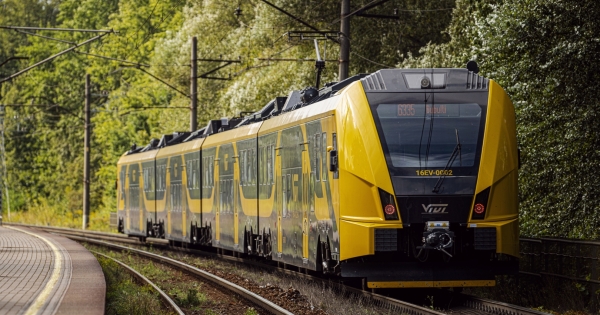
Commuters and tourists heading to the Latvian coast can finally breathe a sigh of relief as major infrastructure works on the Tukuma rail line have officially concluded. Starting from 19 May, the national passenger rail operator, Vivi, has restored its high-frequency interval schedule, bringing back 15-minute train departures during peak morning and evening hours for the popular Rīga–Dubulti stretch.
The completion of the electrification network modernisation by Latvijas dzelzceļš (Latvian Railways) marks the end of a period defined by bus replacements and significant delays. For those travelling from the capital to the seaside resorts of Jūrmala or further inland to Tukums, the return to a full rail service means a drastic improvement in reliability and speed.
Restoring the 15-Minute Frequency to the Coast
The most immediate change for passengers is the reintroduction of the interval-based timetable. On the Rīga–Dubulti section—the primary artery for those visiting the “Latvian Riviera”—trains will now run every 15 minutes during the busiest parts of the day. This frequency is comparable to major urban rail networks in Western Europe, designed to handle the high volume of summer traffic that flows toward the Baltic Sea.
Crucially, the return to a normal schedule also means that all trains will once again use their designated platforms and tracks at all stops. During the renovation phase, passengers often had to navigate platform changes and temporary boarding areas; these disruptions have now been cleared, allowing for a more predictable boarding process across the entire line.
Significant Time Savings for Commuters
The impact on travel times is perhaps the most tangible benefit of the project’s completion. During the height of the renovation works, journey times were often extended by up to half an hour due to single-track operations and speed restrictions. With the modernisation of the electrified grid now finished, the trip from Rīga to Sloka, Ķemeri, and Tukums has been slashed by up to 30 minutes.
This efficiency gain is a cornerstone of Latvia’s broader plan to modernise its rolling stock and infrastructure. The Tukuma line is a vital corridor not just for leisure, but for daily commuters who live in the suburban belts surrounding the capital. The reduction in travel time effectively brings these communities closer to the economic hub of Rīga, making rail a more competitive alternative to the congested A10 motorway.
Transitioning to the Summer Timetable
While the 19 May update restores the core service, a second phase of improvements is scheduled for the end of the month. On 30 May, the official summer timetable will come into effect, further expanding the service to accommodate the seasonal influx of holidaymakers.
Under the summer schedule, the 15-minute intervals between Rīga and Dubulti will be extended to cover the middle of the day, not just the peak morning and evening windows. To support this, Vivi will introduce seven additional trips on weekdays and 13 additional trips on weekends. This represents a significant capacity boost, ensuring that even during the hottest beach days, the rail network can absorb the surge in passenger numbers.
Passengers are encouraged to use the Vivi mobile app or website to view the latest real-time updates, as the new schedule integrates all recent changes. For further assistance, the operator maintains a 24-hour customer service line to handle enquiries regarding ticket purchases and specific connection times.
Source: Tukuma novada dome



Comments