
Why 1 July Still Shapes Somme Remembrance in Britain
By the Beehive Web Culture Desk
Published: 1 July 2026
On 1 July, many UK remembrance calendars turn back to the opening day of the Battle of the Somme in 1916. The date matters because it links national First World War history with local memorials, family stories, school lessons and regimental records that still shape how communities remember the war.
Imperial War Museums describes the Battle of the Somme as one of the major events of the First World War. It was fought in France by British, Commonwealth and French forces against Germany, and its first day became deeply embedded in British and Commonwealth memory.
Why 1 July appears on UK memorial calendars
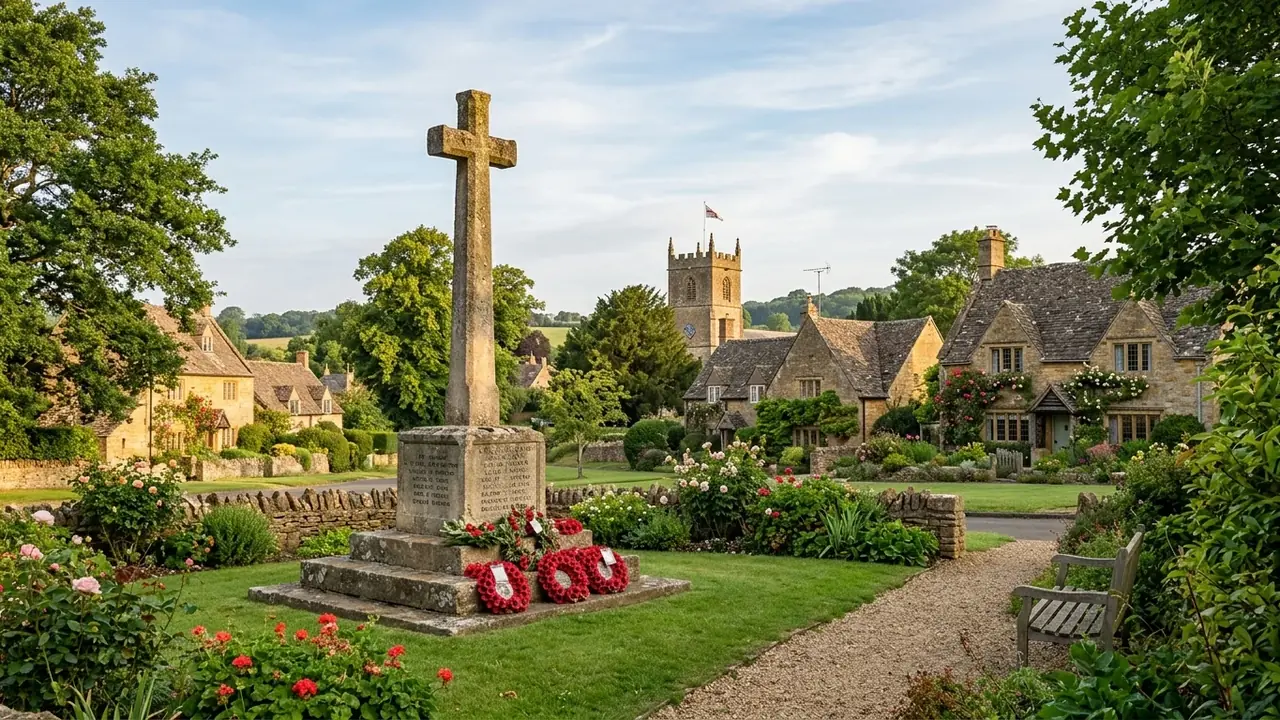
The Battle of the Somme began on 1 July 1916. For UK readers, the date is often encountered not first in a textbook, but on a parish memorial, a town hall roll of honour, a regimental plaque or a school history display.
That local visibility is one reason the anniversary remains so recognisable. The Somme is not remembered only as a battlefield in northern France. It is also remembered through the names carved into stone in British towns, villages and city neighbourhoods.
War memorials usually compress complex histories into names, dates and units. A single surname on a village cross may connect to a battalion raised nearby, a workplace roll of honour, a family Bible entry, a newspaper notice or a cemetery record overseas.
That is why 1 July can feel both national and local. It marks a major First World War event, but it also prompts questions that start close to home: who from this place served, which regiment were they in, and how did their family and community remember them afterward?
The Somme is remembered through place, not only battle narrative
For many families, the Somme enters memory through fragments: a photograph in uniform, a medal card, a service number, a battalion name, a letter, or a line on a memorial. These fragments can be more useful than dramatic retellings when trying to understand a person’s real context.
Imperial War Museums gives readers a reliable starting point for the wider history of the battle. From there, local context matters. County archives, regimental museums, Commonwealth War Graves Commission records, local newspapers and school archives can help connect the public history to a named individual.
The careful approach is to avoid treating every family story as complete on its own. Names may be misspelled, units may have changed, and family memories can mix more than one relative’s service. A responsible search uses several records before drawing a conclusion.
How local war memorials connect to family history
A local memorial can be the beginning of a family-history search, but it is rarely the end. The most useful details to record are the full name as carved, the place of the memorial, any initials, a regiment or unit if shown, and any date attached to the entry.
From there, readers can compare the memorial with:
- Commonwealth War Graves Commission entries for burial or commemoration details.
- Regimental museum or archive pages for unit background.
- Local archive catalogues for rolls of honour, newspapers and parish records.
- Imperial War Museums material for the wider military and historical setting.
- Family records such as photographs, letters, medals or certificates.
This method helps avoid a common mistake: assuming that one matching name proves identity. In some areas, several men with similar names served in the same period. Place, age, unit and family details all matter.
Why schools still teach the Somme
The Battle of the Somme remains a central topic in First World War teaching because it brings together military history, public memory, empire, technology, grief, politics and commemoration. It also gives pupils a way to connect national history with evidence in their own area.
A school project might begin with the date 1 July 1916, but it can quickly become a lesson in how historians work. Pupils may compare a museum overview with a war memorial, a trench map, a photograph, a diary extract or a local newspaper report.
That source-based approach matters. The Somme has often been reduced to shorthand, but reliable history asks more precise questions: who was involved, where were they from, what records survive, and how has remembrance language changed over time?
The language of remembrance needs care
Writing or speaking about the Somme requires restraint. The battle involved severe loss and suffering, but remembrance is not helped by sensational framing. For families and communities, the names on memorials are not abstractions.
Careful language also helps readers distinguish commemoration from explanation. To commemorate is to mark service and loss. To explain is to place the battle in its military, political and social context. A good anniversary article, school project or memorial talk should usually do both, without turning the subject into spectacle.
That is especially important on 1 July, when attention often returns to the first day of the battle. The date is historically significant, but the wider Somme campaign and its aftermath also shaped how Britain and Commonwealth countries remembered the First World War.
Reliable places to start a Somme search
Imperial War Museums is a strong first stop for understanding the Battle of the Somme in its wider First World War context. Its overview helps readers place the battle geographically, chronologically and historically before moving into local or family records.
For family research, readers should then look for records that name a person and connect them to a unit, place or family member. Regimental archives are especially useful because the Somme was experienced through specific battalions and formations, not as a single identical story for every soldier.
Local archives can add the community layer. Rolls of honour, council records, school magazines, chapel memorials and newspaper notices may show how a person was remembered at home. These sources often explain why a name appears on one memorial but not another.
The most useful next check on 1 July is simple: find the nearest war memorial or local archive catalogue, record one name carefully, then compare it with museum, cemetery and regimental sources. That turns an anniversary date into a grounded act of historical understanding.
Source: Imperial War Museums
Context & actions About this article
Source check Source context
This article uses Imperial War Museums for the Battle of the Somme context and focuses on how UK readers can connect the date to local records.
- Battle began on 1 July 1916
- Imperial War Museums explains the battle's First World War context
- Local memorial research should be checked against archive and regimental sources
- Source
- Imperial War Museums
- Scope
- United Kingdom
- Updated
- 2026-07-01 07:31
Source check
Report a trust issue
Send a clear signal to community moderation if the source, facts or context need review.



Comments