
Latvia’s Demographic Shift: 16% Drop in School Starters in Ķekava
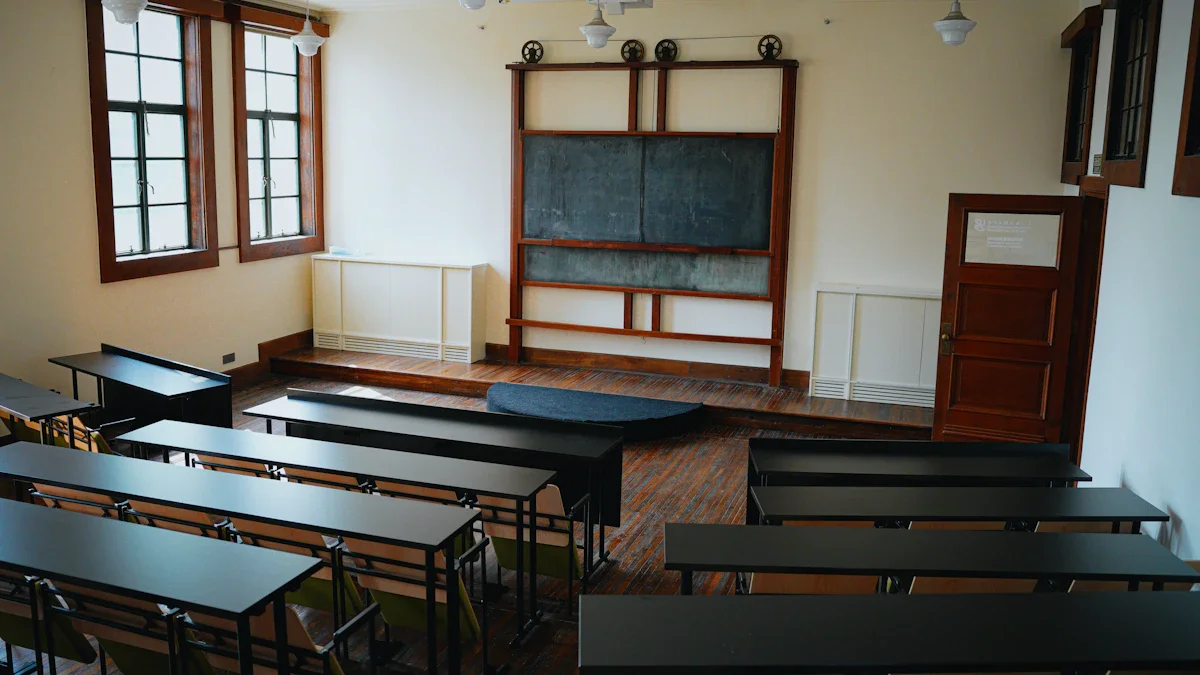
For the first time in recent history, the Ķekava municipality—a region traditionally seen as a demographic stronghold near the Latvian capital of Riga—is facing a significant decline in its youngest student population. In September 2026, 405 children are expected to begin their first year of primary education, a sharp 16.5% decrease from the 485 students who enrolled just one year prior.
This drop of 80 students is not merely a local fluctuation; it serves as a microcosm of the broader demographic challenges facing Latvia. While Ķekava has historically benefited from its proximity to the capital, attracting young families and maintaining stable birth rates, the national trend of declining fertility and a shrinking school-age population has finally reached its borders. For policymakers and local residents, these figures represent a turning point in how education infrastructure must be managed in the coming decade.
The Distribution of the 2026/2027 Intake
The 405 incoming students will be distributed across five general education institutions. The scale of these schools varies significantly, from large secondary institutions to small rural primary schools. The following table illustrates the planned distribution for the upcoming academic year:
| Educational Institution | Number of 1st Grade Students |
|---|---|
| Ķekava Secondary School | 160 students (6 classes) |
| Baložu Secondary School | 115 students (4 classes) |
| Baldone Secondary School | 62 students (3 classes) |
| Pļavniekkalna Primary School | 59 students (2 classes) |
| Daugmales Primary School | 9 students (1 class) |
The data highlights a stark contrast in school density. While Ķekava Secondary remains a major hub with six parallel classes, Daugmales Primary will operate with just a single class of nine students. This disparity often leads to complex debates regarding the economic viability of smaller rural schools versus the educational benefits of localized community learning.

From Expansion to Consolidation
For years, local governments in Latvia have been focused on expanding capacity to meet the needs of a growing suburban population. However, the Ķekava Education Board notes that the 2026/2027 academic year marks the first definitive year of decline in this specific region. This shift has forced an immediate re-evaluation of long-term infrastructure projects.
In 2025, anticipating this downward trend, the municipality had to make the difficult decision to cancel plans for a new preschool facility in the town of Baložu. Furthermore, administrative changes have already begun, such as the merger of Baldone Primary School into Baldone Secondary School. These moves suggest that the era of building new educational facilities may be giving way to an era of consolidation and optimization.
It is important to note that these figures do not necessarily prove a permanent collapse of the local population. Demographic waves often fluctuate, and Ķekava remains a desirable location for many. However, the current data does prove that the “demographic winter” affecting much of Eastern and Northern Europe is no longer a distant threat for even the most prosperous Latvian municipalities.

Future Planning and Parent Communication
The local government continues to monitor birth rate dynamics annually to adjust funding and services. For parents in the region, the enrollment process remains strictly tied to the child’s or parent’s declared place of residence within the municipality.
School administrations are expected to contact the parents of future first-graders via email to outline the next steps for the autumn term. While the municipality manages the overall numbers, individual schools remain responsible for the specific allocation of teachers and the internal organization of classes. For those observing from an international perspective, the situation in Ķekava serves as a case study in how local authorities must pivot from growth-oriented planning to sustainable management in the face of shifting national demographics.
Source: Ķekavas novada pašvaldība


Comments