
Leeds Discovery Centre tours: fans, flirtation and donations
An ornate folding fan made around the 1680s places the Judgement of Paris — a choice that set the Trojan War myth in motion — in the hands of its former owner. It is one of more than 400 historic fans cared for at Leeds Discovery Centre and available to explore through the museum’s regular store tours.
Leeds Discovery Centre Store Tours are open to the general public at the Leeds venue. Advance booking is required, while admission operates on a Give What You Can basis with donations invited. The council notice does not provide a tour date or start time, street address, transport guidance or accessibility details, so visitors should confirm the available slot and practical information during online booking.
A 1680s fan turns mythology into fashion
The collection’s oldest highlighted example has folding sticks carved from antique ivory and a painted scene showing the Trojan prince Paris choosing the most beautiful of three goddesses: Hera, Athena or Aphrodite. In the myth, his decision to give Aphrodite a golden apple leads to the abduction of Helen and the decade-long Trojan War.
Most of the Leeds collection dates from the 18th and 19th centuries. Designs range from Greek and Roman stories of love to colourful birds and imagery influenced by the Far East, showing how a practical object became part of a carefully constructed social appearance.
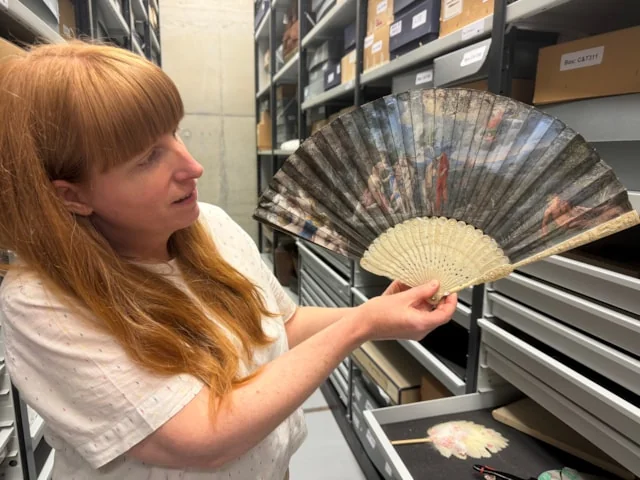
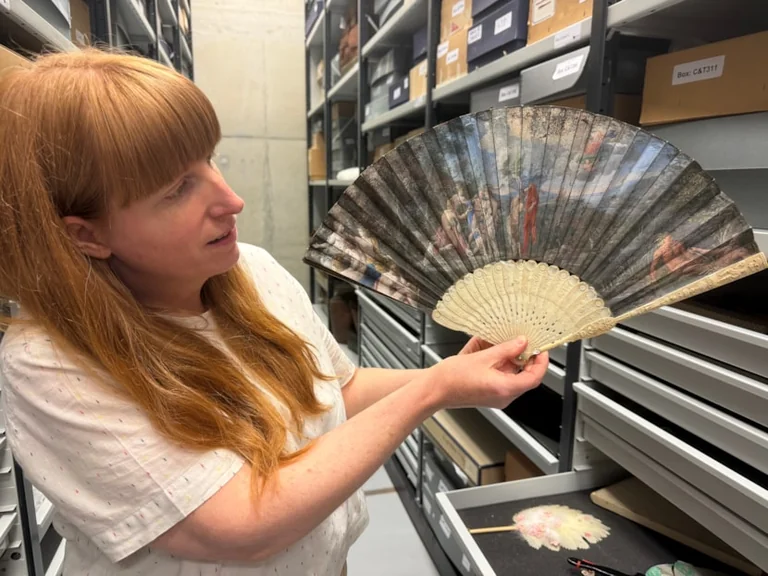
Natalie Raw, curator of costume at Leeds Museums and Galleries, said fans were once an expected part of a high-society outfit. A flutter, carefully placed movement or glance above a fan could be used to attract attention, helping to create the popular belief that men and women communicated through a secret language of gestures.
Botanical lessons and riddles appear among the designs
The tours offer more than decorative craftsmanship. Two fans bear the name of Sarah Ashton, a female printer working in Covent Garden during the late 1700s. One is an educational fan covered with botanical drawings and methods for classifying plants; another is printed with riddles and is recorded as having belonged to Isabel Kennedy of Leeds.
Many examples entered the collection in the late 19th and early 20th centuries, when collecting antique fans became fashionable among wealthy women. Those collectors included West Yorkshire socialite Dorothy Una Ratcliffe, who married into the Brotherton family.
The objects also trace changing tastes. As simpler clothing became fashionable during the Georgian period of the early 19th century, fans grew smaller and less ostentatious. Their progression from elaborate mythological scenes to restrained designs gives visitors a compact history of fashion, status and social behaviour.
Councillor Salma Arif, Leeds City Council’s executive member for economy, said the city’s fashion and costume holdings demonstrate how designers responded to the themes and trends of their eras.
Booking a Leeds Discovery Centre store tour
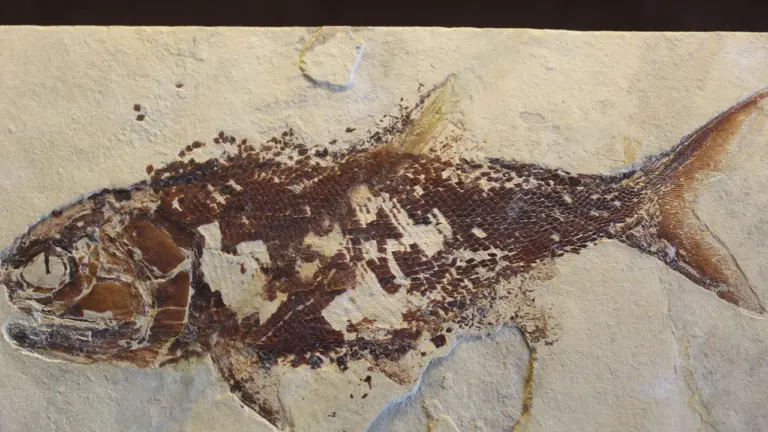
Visitors interested in the breadth of the stored collections can also read about a Leeds Discovery Centre tour featuring a prehistoric fish. The fan collection is presented as part of the same wider opportunity to see museum objects that are not always encountered in conventional galleries.
Tours must be pre-booked. Visitors who choose to support the Give What You Can museum can make a donation while booking online or leave cash and coins in the reception donation box.
Source: Leeds City Council
Context & actions About this article
Source check Source trail
Event access, booking arrangements and collection details were drawn from information published by Leeds City Council.
- Confirmed that Leeds Discovery Centre requires tours to be pre-booked.
- Confirmed that the museum operates on a Give What You Can basis.
- Checked the stated age, themes and size of the antique fan collection.
- Flagged that no tour date, start time or street address was supplied.
- Source
- Leeds City Council
- Scope
- Leeds
- Updated
- 2026-09-01 09:49
Source check
Report a trust issue
Send a clear signal to community moderation if the source, facts or context need review.



Comments