
Leeds tours reveal a 320-million-year-old fish
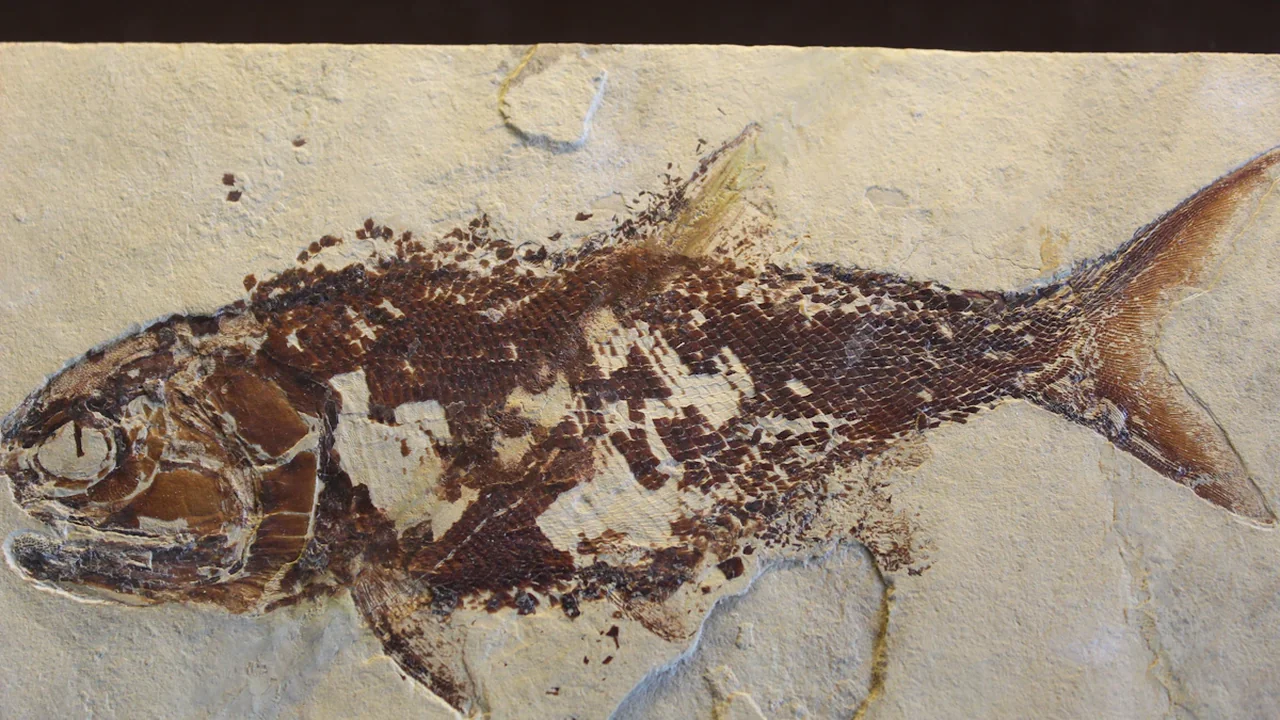
A fossil fish discovered in Roundhay Park has joined the natural sciences collection at Leeds Discovery Centre, giving visitors a new reason to explore the city’s prehistoric past. The exceptionally old coelacanth skull bone dates from around 320 million years ago, when the landscape beneath modern Leeds was covered by a tropical lagoon.
Event: Leeds Discovery Centre Tours
Venue: Leeds Discovery Centre, Leeds, West Yorkshire
Date and time: No fixed tour dates or times were supplied
Admission: Give What You Can
Booking: Tours must be booked in advance
Audience: General public
Visitors should select an available tour through the Leeds Museums and Galleries online booking service. Donations can be made while booking or with cash and coins in the reception donation box.
Read also: Leeds Discovery Centre tours: fans, flirtation and donations
A rare fossil from beneath Roundhay Park
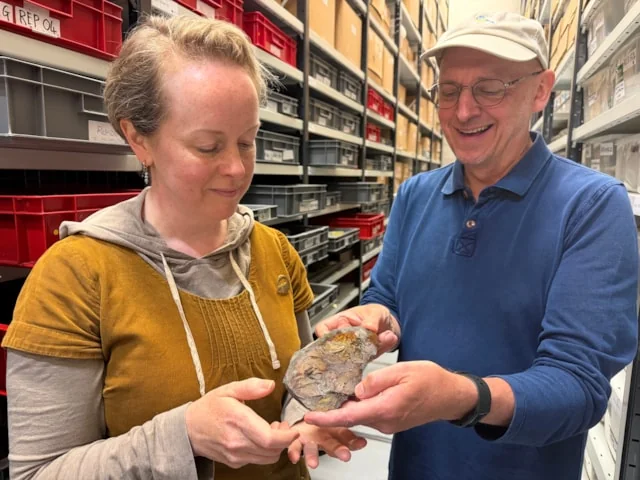
Geologist Ru Smith of the Yorkshire Geological Society found the fossil during a reconnaissance walk ahead of a planned field excursion. He opened a piece of shale from a layer containing Carbonicola freshwater mussels and noticed the distinctive skull bone of a large fish.
Other experts subsequently identified it as part of a coelacanth. The specimen is older than coelacanth fossils previously found elsewhere in Yorkshire, making it the oldest known discovery of its kind in the region.
The exact location in Roundhay Park is not being disclosed. Leeds Museums and Galleries said this protects the parkland and ensures geological fieldwork is undertaken by members of professional bodies.
Coelacanths are frequently described as “living fossils”. Scientists once believed the group had disappeared around the time of the dinosaurs, but a living specimen was recognised at a fish market in South Africa in 1938 after being caught off the country’s east coast.
What visitors can explore on the tour
The donated bone has entered the natural sciences collection at Leeds Discovery Centre, a modern storage facility and visitor attraction containing extensive natural history and taxidermy holdings. Its specimens support exhibitions, research and learning while also being made available for visitors to see.
The prehistoric aquatic collection includes the world’s best specimen of the giant Carboniferous fish Megalichthys, found near Leeds in 1883. Visitors may also encounter fossil remains of younger marine reptiles, including dolphin-like ichthyosaurs and long-necked plesiosaurs.
Together, the specimens reveal how dramatically the local environment has changed. During the Carboniferous period, Earth was warmer, the supercontinent Pangaea was forming and the area now occupied by Roundhay Park lay near the Equator. Fish and sharks inhabited the water, while giant insects and early amphibians lived on land.
Clare Brown, curator of natural sciences at Leeds Museums and Galleries, said responsible and ethical fossil hunting can help researchers reconstruct prehistoric Leeds. She also encouraged people interested in geology to join a local group rather than conducting unsupported fieldwork.
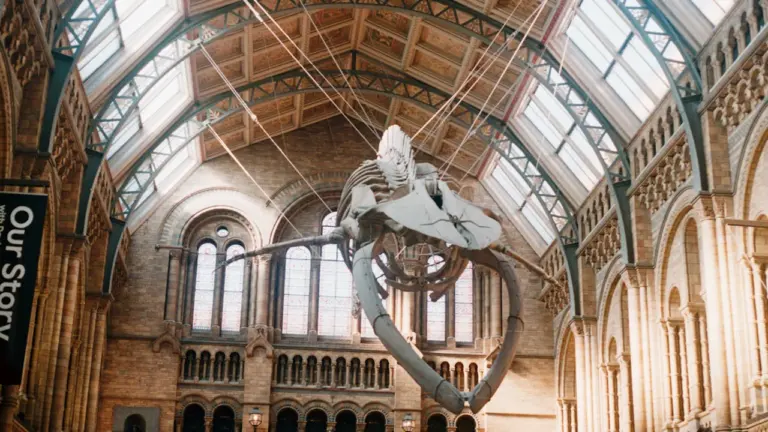
Readers planning a wider visit can also consult this guide to Leeds tours and museums for further local ideas.
Booking a Leeds Discovery Centre tour
Leeds Discovery Centre is not presented as a walk-in attraction in the supplied information. Public access is through pre-booked tours, so visitors should secure a place before travelling and check the selected booking for its confirmed date and starting time.
The Give What You Can model means no fixed admission charge was stated. Visitors are invited to support the museum with a donation if they are able, either during the online booking process or at reception.
No specific tour schedule, street address, transport advice or accessibility information accompanied the announcement. Those details should be checked on the official Leeds Museums and Galleries booking listing before attending.
Source: Leeds City Council
Context & actions About this article
Source check Source trail
The event details and fossil background were checked against information published by Leeds City Council.
- Confirmed that Leeds Discovery Centre requires tours to be booked in advance.
- Confirmed that admission operates on a Give What You Can basis.
- Checked the fossil’s stated age, discovery location and identification as a coelacanth.
- Marked the tour date, time and venue address as unavailable rather than estimating them.
- Source
- Leeds City Council
- Scope
- Leeds, West Yorkshire
- Updated
- 2026-09-01 09:50
Source check
Report a trust issue
Send a clear signal to community moderation if the source, facts or context need review.


Comments