
Lithuania’s €70m Rapeseed Plant to Process Half of National Crop

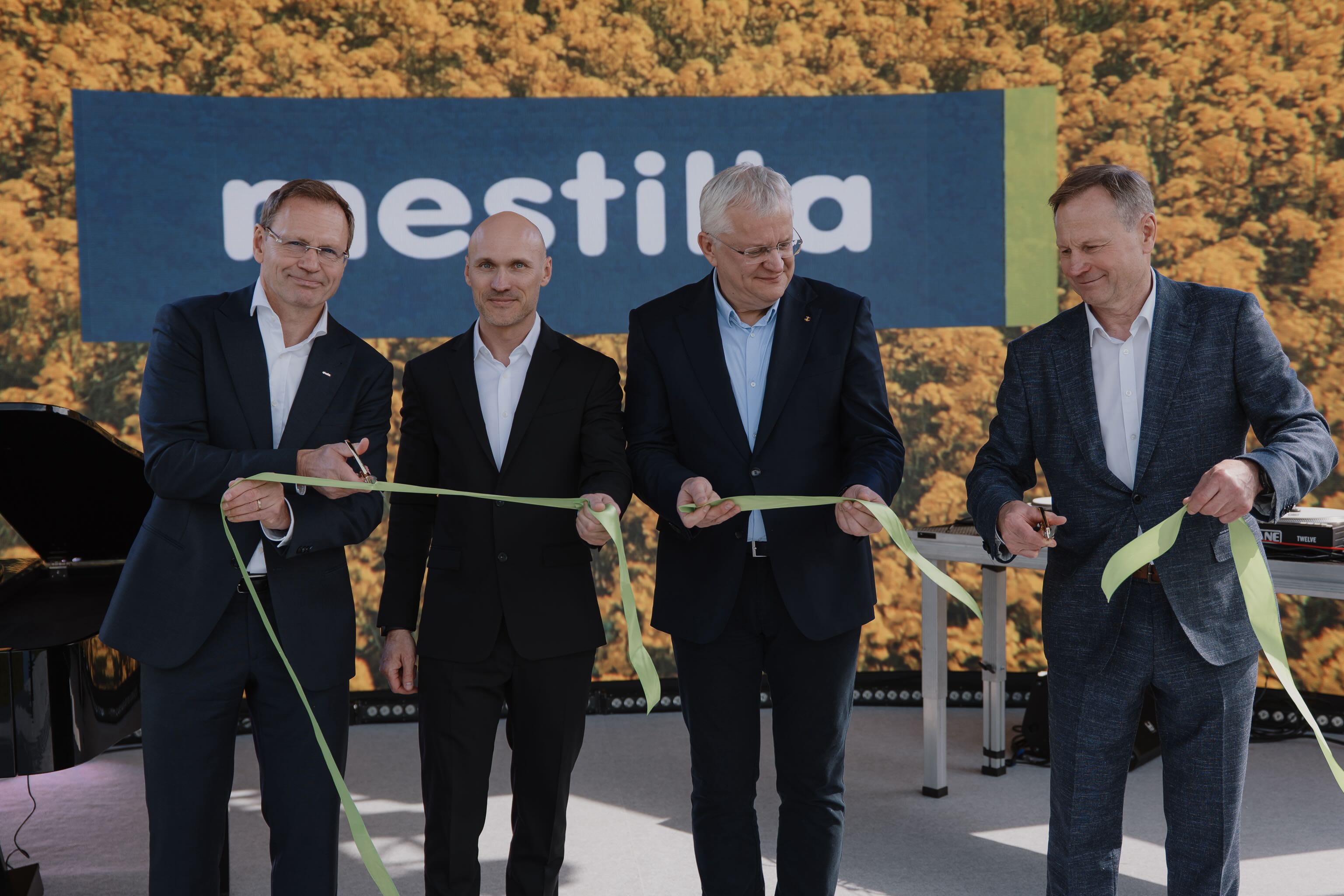
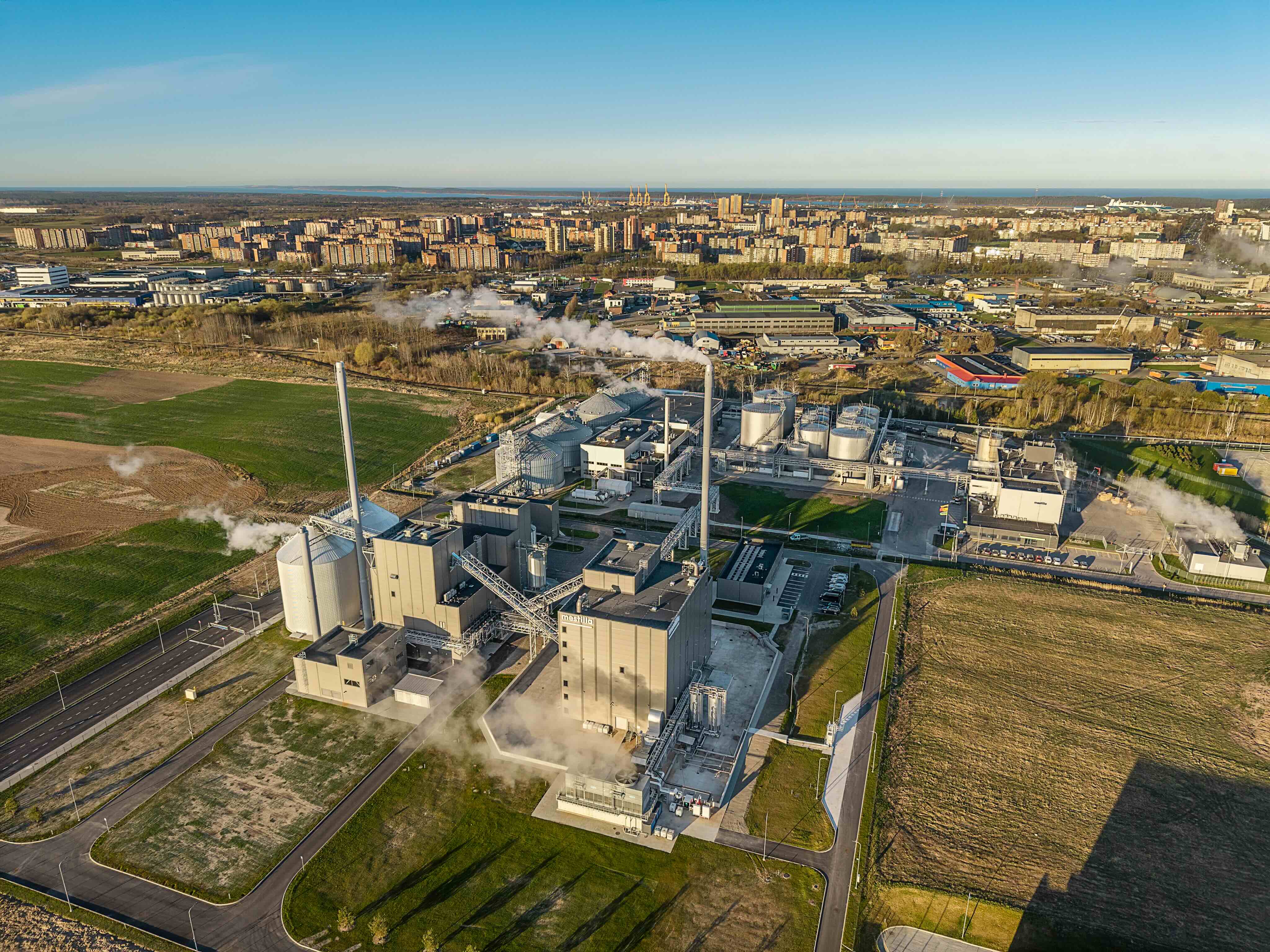
The official opening of Mestilla’s new rapeseed processing facility in the Klaipėda Free Economic Zone (LEZ) represents a significant shift in the Baltic state’s industrial landscape. With a total investment of €70 million, the plant is not merely a commercial expansion; it is a strategic infrastructure project designed to consolidate Lithuania’s agricultural and energy sectors. By processing 500,000 tonnes of rapeseed annually—triple its previous capacity—the facility is now equipped to handle approximately half of the country’s entire annual rapeseed harvest.
The Economics of Scale and Inflation
The project, which took three and a half years from design to completion, serves as a case study in navigating the volatile economic conditions of the early 2020s. Despite the significant inflationary pressures that have impacted European construction and engineering costs, Mestilla managed to contain its budget overrun to just 15%. Company officials estimate that initiating the same project today would require an investment of at least €100 million, highlighting the financial foresight of the 2021 commencement.
| Key Metric | Data Point |
|---|---|
| Total Investment | €70 Million |
| Annual Processing Capacity | 500,000 Tonnes |
| Output Composition | 60% Protein Feed / 40% Biodiesel |
| CO2 Reduction Impact | 550,000 Tonnes per year |
| Construction Duration | 3.5 Years |
The facility utilizes advanced oilseed processing technologies provided by the Belgian industry leader Desmet. This international partnership underscores the project’s technical sophistication, aimed at achieving high-efficiency extraction while meeting stringent European environmental standards.
Balancing Industrial Growth with Local Interests
For the residents of Klaipėda, the expansion of the Mestilla site was initially met with caution. The previous facility was known for a distinct residual odor, a common byproduct of large-scale rapeseed processing. However, the new infrastructure addresses this through a significant engineering overhaul. The old ventilation outlets have been replaced by two 70-meter-high chimneys. Utilizing time-tested neutralization technologies, these stacks ensure that any residual scents are dispersed at an altitude where they are physically unable to reach ground level in detectable concentrations.
Arūnas Zubas, General Manager of Mestilla, emphasized that the two-year planning and approval phase was characterized by constructive dialogue with the Klaipėda municipality. This collaboration was essential in ensuring that the interests of the local community—specifically regarding air quality and environmental impact—were integrated into the final design. The Mayor of Klaipėda, Arvydas Vaitkus, noted that while the city prioritizes job creation and economic growth, these must coexist with the residents’ quality of life, marking this project as a potential blueprint for socially responsible industrial development.
Strategic Energy and Agricultural Resilience
The plant’s output is split between two critical markets. Approximately 60% of the processed material is converted into high-value protein feed for the agricultural sector, reducing the need for imported soy-based alternatives. The remaining 40% is refined into biodiesel, which is blended into the national fuel supply for both commercial and private transport.
Beyond the immediate economic output, the facility serves a broader geopolitical purpose. By increasing the utilization of domestic raw materials, Lithuania enhances its energy resilience and reduces its carbon footprint. Mestilla estimates that the biofuels produced at the new plant will reduce transport-related CO2 emissions by roughly 550,000 tonnes annually.
Looking ahead, the success of this €70 million investment sends a clear signal to international investors regarding Lithuania’s capacity for high-value, large-scale industrial projects. As the Baltic region continues to pivot toward green energy and sustainable agriculture, facilities like the Klaipėda plant will be central to meeting both national economic targets and broader European climate goals. The project demonstrates that even in periods of economic uncertainty, strategic investments in domestic supply chains can provide long-term stability for both farmers and the energy market.
Source: ELTA


Comments