
Lithuania Slashes Biomethane Costs to Fuel Green Energy Shift
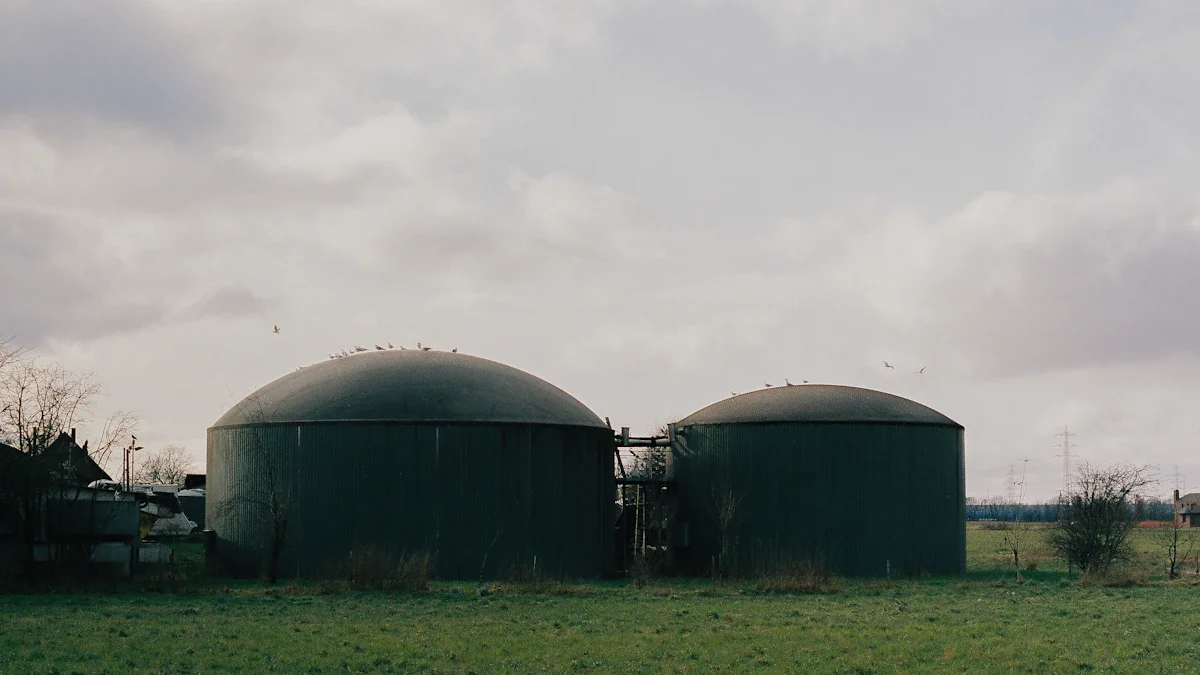
In a decisive move to decouple from fossil fuel volatility and retain green energy resources at home, the Lithuanian Seimas has unanimously approved a legislative shift that will fundamentally alter the economics of biomethane. By adjusting energy value coefficients, the Baltic nation aims to lower prices for end-users and transform its current status as a major exporter of green gas into a self-sustaining domestic consumer.
The legislative change, supported by a 97-0 vote in the parliament, introduces a regulatory multiplier for renewable fuels. Under the new rules, the energy value of biomethane produced from specific raw materials—primarily agricultural waste like manure and slurry—will be calculated as three times its actual energy content for regulatory compliance purposes. This accounting adjustment is designed to make local biomethane significantly more competitive against imported fossil fuels and traditional biofuels.
The Economic Mechanics of the 3x Multiplier
To understand the impact of this decision, one must look at the current imbalance in the Lithuanian energy market. Despite significant domestic production, between 50% and 60% of Lithuania’s biomethane is currently exported to other European markets where subsidies or regulatory frameworks offer better returns. By increasing the energy value coefficient, the government is effectively lowering the barrier for local fuel suppliers to integrate biomethane into their mix.
| Key Metric | Current/Target Figure |
|---|---|
| Parliamentary Vote | 97 in favor, 0 against |
| Biomethane Export Rate | 50% – 60% (Current) |
| Total Sector Investment | €200 Million |
| Added Value Target (2030) | €140 Million per year |
| Energy Value Multiplier | 3x for Biomethane |
This “data-first” approach to regulation aims to stimulate the domestic market between 2026 and 2029. Saulius Bucevičius, Chairman of the Economic Committee, noted that the move followed extensive consultations with transport associations, fuel producers, and agricultural stakeholders. The goal is to ensure that the €200 million already invested in the sector translates into lower costs for Lithuanian logistics and public transport rather than simply fueling the green transitions of neighboring countries.

Agricultural Integration and Energy Sovereignty
Beyond simple price reduction, the policy serves as a strategic bridge between the energy and agricultural sectors. By incentivizing the use of manure and slurry for biomethane production, the legislation addresses two problems at once: waste management in the farming sector and the need for carbon-neutral fuel.
This integration is expected to create a circular economy that keeps capital within the country. The added value generated by the biomethane sector is projected to rise from approximately €40 million in 2025 to €140 million by 2030. For the average consumer, this translates to more stable energy prices that are less dependent on the global fluctuations of the natural gas market.
However, the success of this policy depends on the Energy Ministry’s upcoming list of approved raw materials. While the 3x multiplier is a powerful incentive, it only applies to fuels derived from the specific feedstocks that provide the highest environmental benefit. This ensures that the price reduction does not come at the cost of land-use efficiency or food security.

Towards the 2030 Climate Goals
As Lithuania moves toward its 2030 renewable energy targets, the expansion of the biomethane market is viewed as a critical pillar of national security. Reducing reliance on fossil fuels is no longer just an environmental imperative but a geopolitical necessity for the Baltic states.
The Seimas decision signals a shift toward “energy regionalism,” where locally produced green gas is prioritized for local industries. If the 2026–2029 market formation phase proves successful, the model could serve as a blueprint for other EU nations struggling to keep their renewable energy production within their own borders. The focus now shifts to the infrastructure required to scale up domestic consumption and the technical implementation of the new energy coefficients by fuel retailers.
Source: BNS


Comments