
Lithuania’s €70m Rapeseed Hub: A Shift in European Biofuel Production
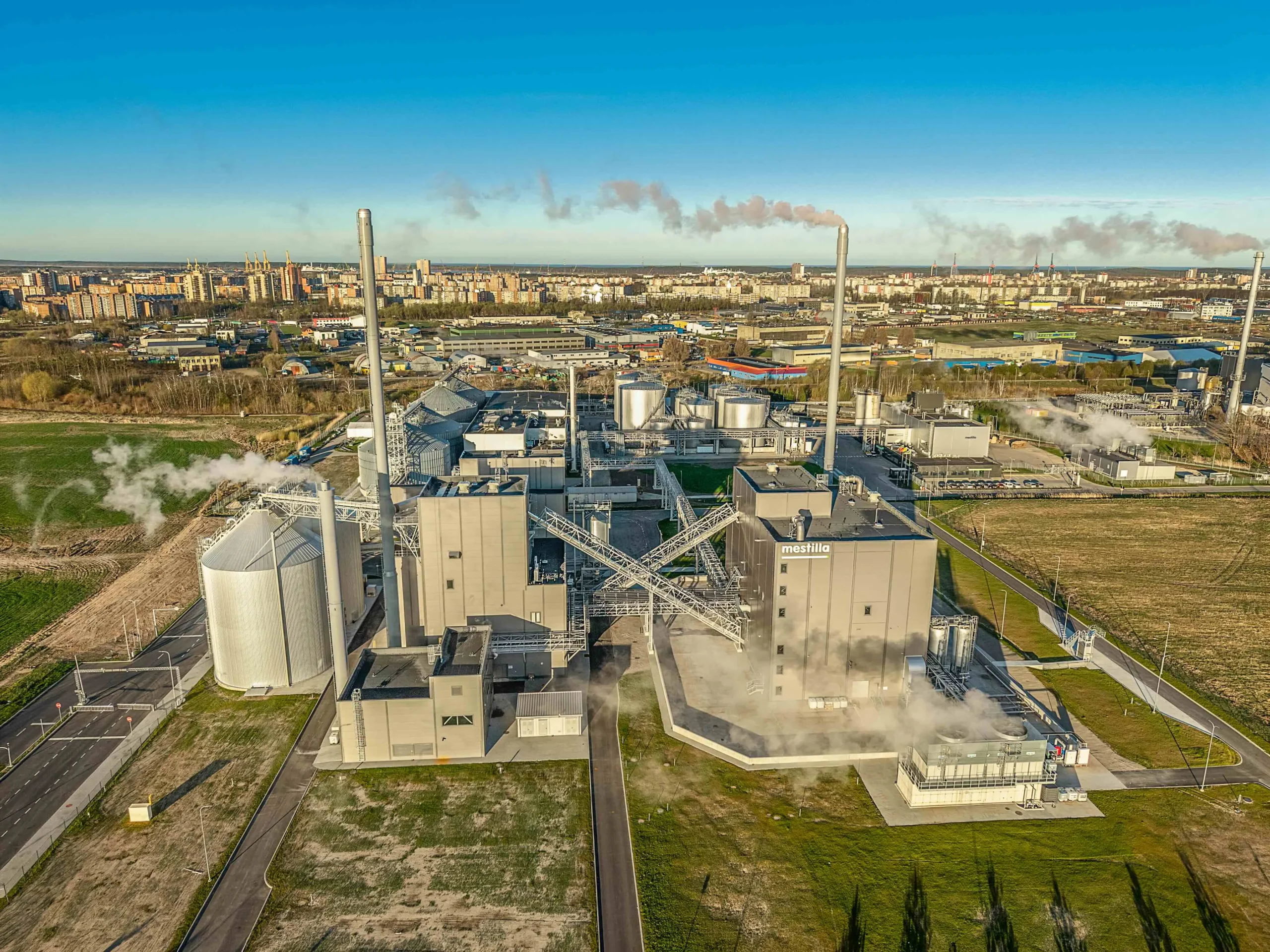
The opening of MESTILLA’s new rapeseed processing facility in the Klaipėda Free Economic Zone (FEZ) represents a significant pivot for the Baltic agricultural sector. With a total investment of €70 million, the plant is now capable of processing approximately half of Lithuania’s total annual rapeseed harvest. This industrial expansion effectively triples the company’s previous capacity, moving the region away from the export of raw agricultural commodities toward high-value, processed energy and feed products.
The project, which reached completion following two years of design and 1.5 years of active construction, was delivered with a speed that defies current European industrial benchmarks. While similar infrastructure projects in the EU typically require a five-year development cycle, the Klaipėda facility was completed in roughly 3.5 years. This efficiency was achieved despite a 15% increase in the initial budget—a figure the company attributes to rising construction costs that would likely push the price of a similar project to €100 million if started today.
| Project Metric | Data Detail |
|---|---|
| Total Investment | €70 Million |
| Annual Processing Capacity | 500,000 Tonnes of Rapeseed |
| Annual Biodiesel Output | 200,000 Tonnes |
| Annual Protein Feed Output | 300,000 Tonnes |
| Project Timeline | 3.5 Years (2 design, 1.5 construction) |
| Peak Workforce | 500 workers across 50 contractors |
Industrial Scale: Processing Half of a National Harvest
The facility’s capacity to handle 500,000 tonnes of rapeseed annually creates a stable, long-term demand for local farmers. Since MESTILLA began operations two decades ago, Lithuania’s rapeseed yields have increased fivefold. By internalizing the processing of half this crop, the plant ensures that the economic value-add remains within the country rather than being exported as raw seed to foreign processors.
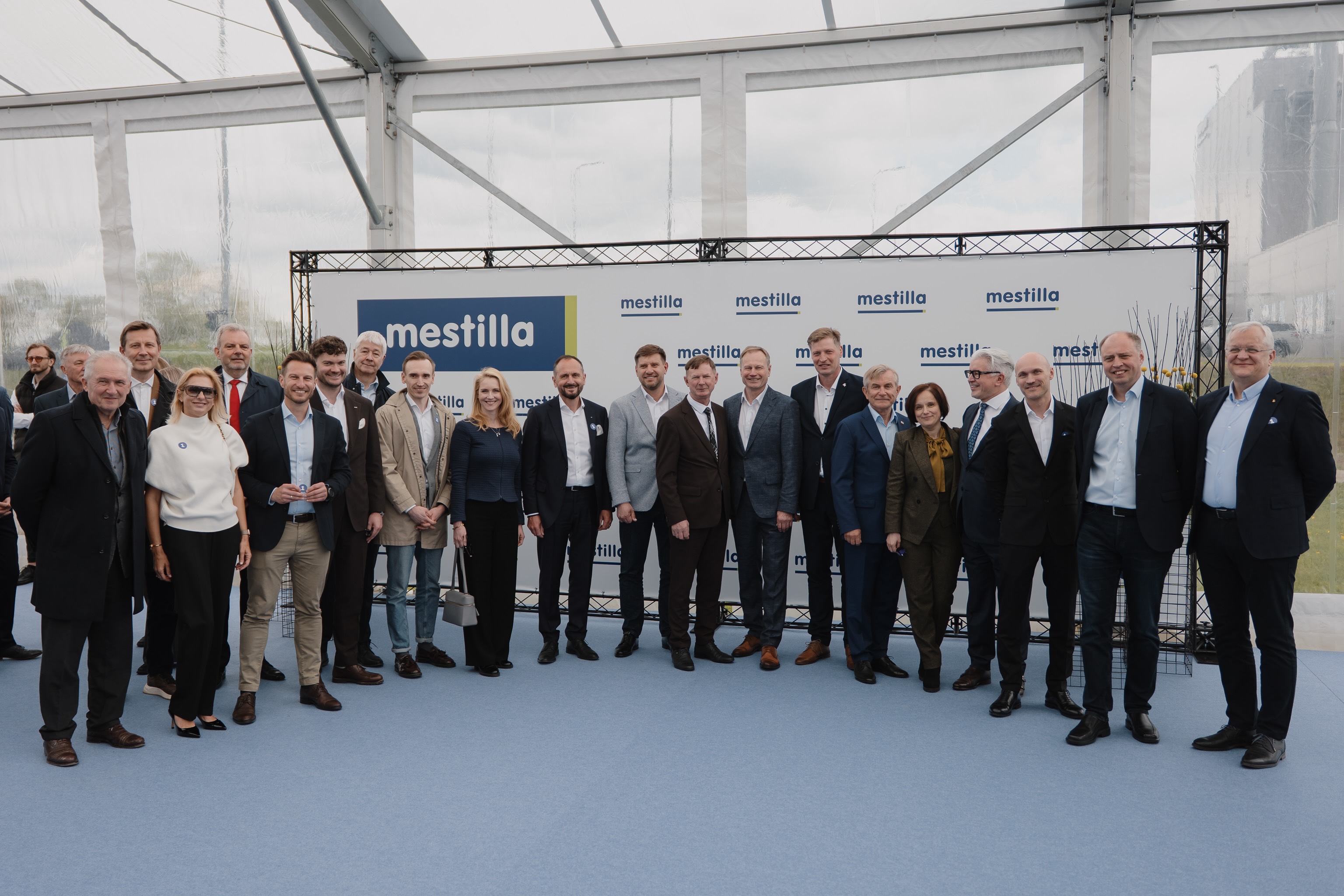
Arūnas Zubas, Director of MESTILLA, notes that the facility serves a dual purpose: supporting the agricultural sector while bolstering national energy security. In terms of output, the plant generates 300,000 tonnes of high-protein feed for the livestock industry and 200,000 tonnes of biodiesel. This feedstock is critical for the transport sector, particularly as Lithuania currently mandates a 7% biodiesel blend in all diesel sold at the pump.
Strategic Resilience and the Energy Security Equation
Beyond the immediate economic benefits for farmers, the plant serves as a strategic asset for the Baltic region’s energy independence. In a crisis scenario, the biodiesel produced at this single site could meet up to 20% of Lithuania’s total diesel demand. This capability reduces the reliance on imported fossil fuels and aligns with broader EU goals for transport decarbonisation.
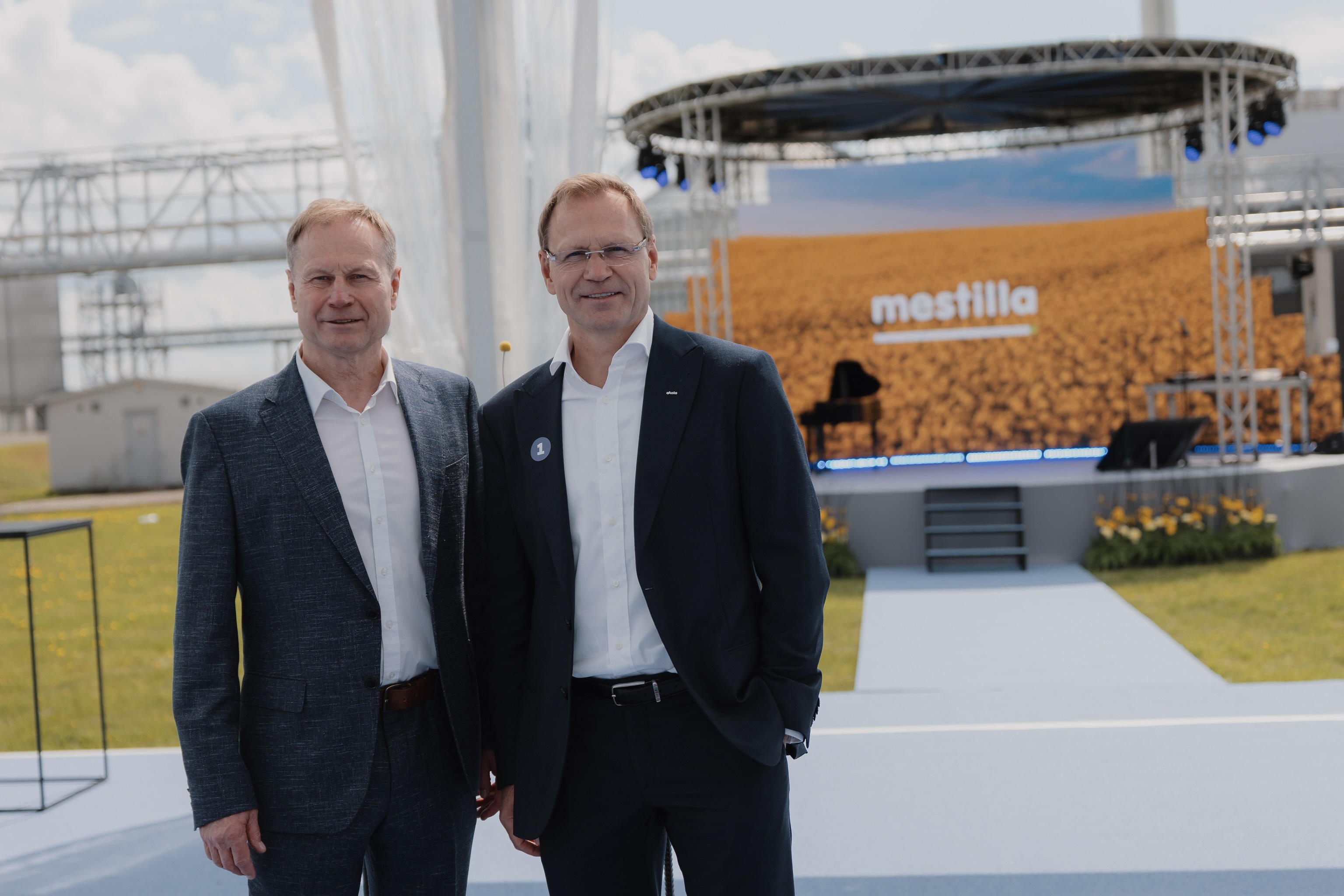
Energy Vice-Minister Airidas Daukšas has highlighted that such investments are vital for achieving long-term climate neutrality. By converting local raw materials into sustainable fuels, the facility contributes to the circular economy and provides a buffer against global energy market volatility. Currently, approximately two-thirds of the plant’s production is destined for export markets, positioning Lithuania as a key supplier of biofuels within the European Union.
Technological Standards and Environmental Integration
The plant utilizes advanced oilseed processing technology from the Belgian industrial leader Desmet. A key focus of the new design was the mitigation of industrial impact on the surrounding Klaipėda area. To address long-standing concerns regarding industrial odours, the facility has integrated advanced odour management systems alongside two 70-metre-high chimneys designed to ensure optimal dispersion.
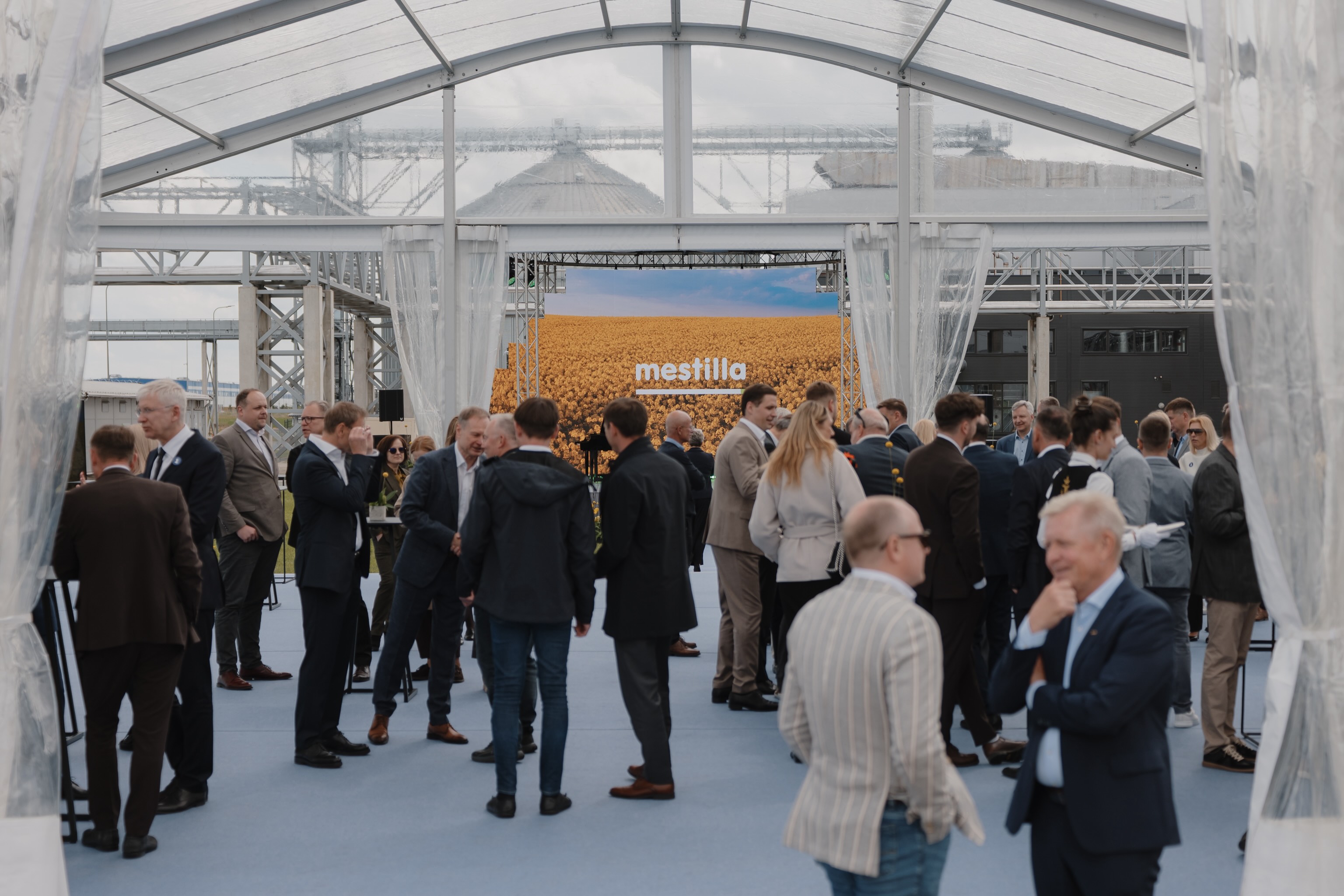
As the Baltic region continues to upgrade its industrial infrastructure, the MESTILLA plant stands as a case study in scaling agricultural processing to meet modern energy demands. The facility not only strengthens the local supply chain for livestock feed but also provides a scalable model for how EU member states can leverage domestic crops to meet renewable energy mandates without relying on external fuel imports.
Source: ELTA



Comments