
Lithuania to Train 20,000 Citizens in Essential Life-Saving Skills
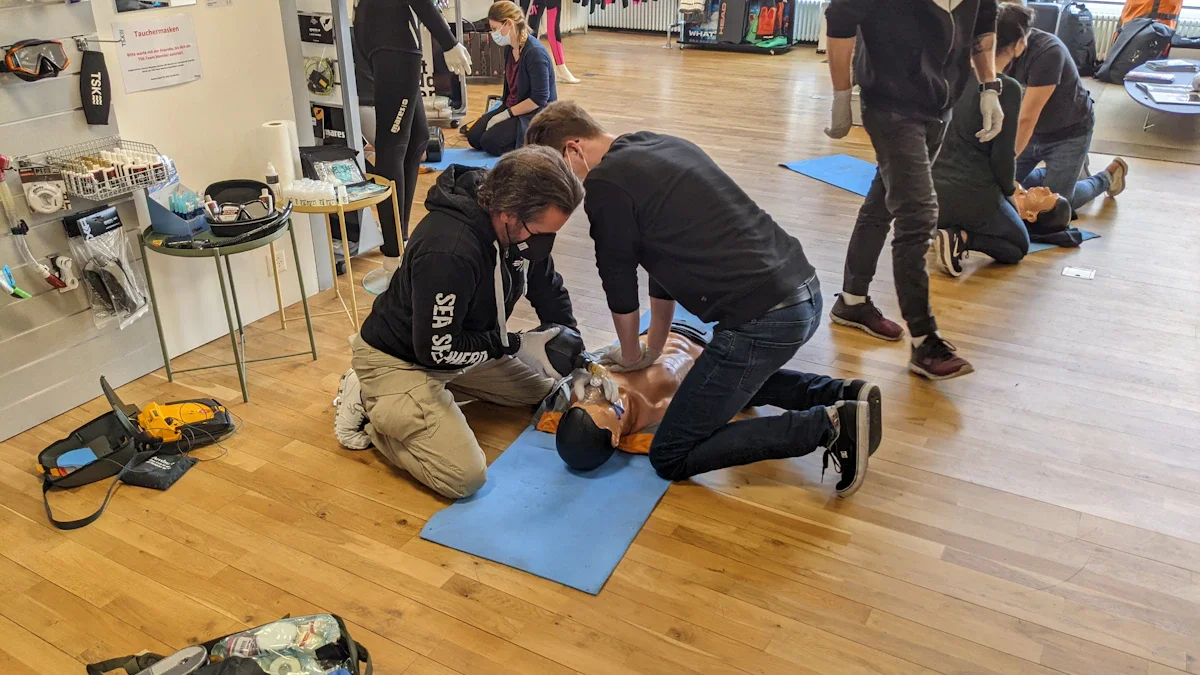
In any medical emergency, the first few minutes are often the most critical. Whether it is a sudden cardiac arrest, a severe injury, or a choking incident, the actions taken by bystanders before professional paramedics arrive can determine the difference between life and death. Recognizing this gap in public preparedness, Lithuania has launched an ambitious national initiative to transform 20,000 of its residents into confident first-responders.
The National Public Health Center (NVSC), under the Lithuanian Ministry of Health, is spearheading a €1.2 million project designed to boost health literacy and crisis resilience. By targeting citizens aged 16 and older, the program aims to create a network of individuals capable of acting decisively when disaster strikes. This initiative is not merely about theory; it is a practical, hands-on investment in the collective safety of the community.
Mastering the Four Pillars of Emergency Response
The training program is structured around four essential skills that are universally recognized as the most effective interventions for non-professionals. For those looking to understand what high-quality emergency training looks like, these pillars serve as a gold standard for public safety:
- Cardiopulmonary Resuscitation (CPR): Participants will learn the correct rhythm and depth of chest compressions. In many European countries, including the UK, the survival rate for out-of-hospital cardiac arrests remains low, often because bystanders are afraid of doing the wrong thing. This training focuses on building the muscle memory needed to act.
- Bleeding Control: Uncontrolled bleeding can be fatal within minutes. The course covers practical techniques for applying pressure and using bandages effectively to stabilize a victim until professional help arrives.
- Choking Prevention and Response: From the Heimlich maneuver to identifying the signs of a blocked airway, this module provides the tools to intervene in one of the most common household emergencies.
- Psychological First Aid: Perhaps the most innovative aspect of the program, this section teaches residents how to manage the emotional fallout of a crisis. It focuses on recognizing stress reactions, communicating calmly with victims, and stabilizing the emotional environment to prevent long-term trauma.
Bridging the Confidence Gap
According to Laimutė Vaidelienė, Lithuania’s Vice-Minister of Health, a significant portion of the population still lacks the practical skills or the confidence to intervene during an accident. “Accidents and sudden health crises happen unexpectedly,” Vaidelienė explains. “The help provided in those first minutes often determines whether a life is saved. This training helps people assess the situation, call for help correctly, and perform life-saving actions without hesitation.”
The psychological barrier to helping is a well-documented phenomenon. Many people fear that they might cause further harm. By providing structured, funded training, the Lithuanian government is removing this barrier, fostering a culture of responsibility and mutual aid.
A Strategic Investment in Public Resilience
The project is backed by a substantial investment of €1,198,624, funded through the European Union’s 2021–2027 investment program. This level of funding highlights a growing trend across Europe: viewing public health not just as a matter of hospitals and doctors, but as a matter of community preparedness.
For the 20,000 Lithuanians who will undergo this training, the benefits extend beyond the classroom. They will return to their workplaces, schools, and homes as ‘resilience anchors’—individuals who can lead in a crisis rather than becoming part of the panic. As the program rolls out, it serves as a model for how nations can utilize EU funds to create a more conscious, responsible, and prepared society.
While this specific program is localized to Lithuania, the lessons are universal. Whether you are in Vilnius, London, or Manchester, the ability to stop a bleed or perform CPR is a fundamental civic skill. This initiative serves as a reminder that in a crisis, the most important person on the scene might just be the person standing next to you.
Original reporting by: elta
Source: ELTA


Comments