
Lithuanian Firms Swap Summer Parties for Civil Defense Training
In a sunlit office courtyard in Vilnius, employees are not queuing for a buffet or a cocktail bar. Instead, they are kneeling on the pavement, learning the precise tension required to apply a tourniquet to a colleague’s limb. This is the new face of corporate “team building” in Lithuania, where the traditional summer bash is being replaced by a sobering focus on survival and national resilience.
As the Baltic states navigate the heightened geopolitical tensions following the 2022 invasion of Ukraine, the definition of employee well-being is undergoing a radical shift. For many Lithuanian companies, the goal is no longer just to ensure staff are entertained, but to ensure they are prepared for “Day X”—a local shorthand for a potential national emergency or conflict.
From Entertainment to Existential Readiness
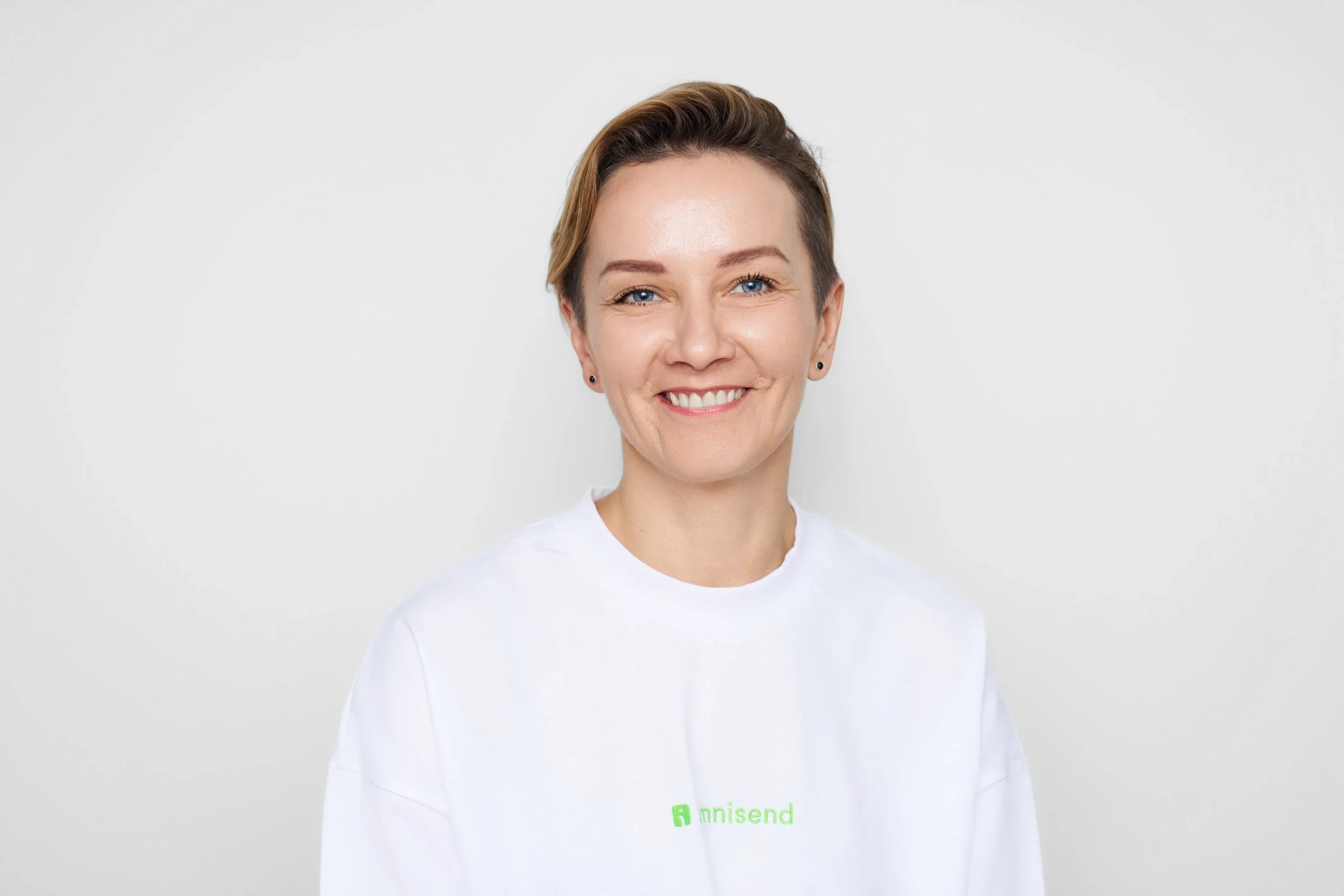
Justina Raškauskienė, Head of HR at the global marketing platform Omnisend, notes that while entertainment remains a part of corporate life, it is no longer sufficient in the current climate. People want to feel empowered rather than just included. The company has integrated first aid, civil safety, and resilience training into its core culture, viewing these not as dry compliance exercises, but as essential life skills that foster deep mutual trust.
“When you apply a tourniquet to a colleague or help them into a recovery position during training, a different kind of bond is formed,” Raškauskienė explains. “It creates a level of community and trust that a standard office party simply cannot replicate. In a crisis, your first concern will be your family and your colleagues. Being prepared to help one another creates a more resilient society and, by extension, a more resilient business.”
The Business Case for Civil Resilience
This shift is not merely a psychological comfort measure; it is becoming a structured part of the Lithuanian corporate landscape. Many businesses are now offering tangible support for national defense. This includes financial contributions to organizations like the Lithuanian Red Cross or the Riflemen’s Union—a centuries-old paramilitary organization that has seen a surge in membership since 2022.
Perhaps most significantly, some employers are now offering additional paid leave for staff who are members of the National Defence Volunteer Forces. For the business, this costs the same as a standard holiday, but for the employee, it serves as a vital incentive to stay active in national security. This “dual value” approach—where the employee gains practical skills and the company strengthens its value-based foundation—is becoming a benchmark for corporate social responsibility in the region.
Managing Anxiety Through Practical Action
For UK observers, the idea of workplace civil defense might seem distant, but in the Baltics, it is a pragmatic response to proximity. HR experts argue that these initiatives significantly reduce workplace anxiety regarding the geopolitical situation. When employees feel they have a degree of control and a clear plan of action, their “threat response” is replaced by a sense of agency.
Internal data and feedback from these sessions suggest that staff-led initiatives are the most effective. Employees who are already members of the Riflemen’s Union often lead workshops, sharing their volunteer experiences and practical knowledge with their peers. This peer-to-peer exchange has led to a ripple effect, with more office workers signing up for formal civil defense roles outside of work hours.
Building the Resilient Organization of the Future
The evolution of these programs suggests that the “strong” organization of the future is not defined by its physical assets or its digital processes, but by the ability of its people to act in a coordinated, calm manner under pressure. While the UK may not face the same immediate geographic pressures, the Lithuanian model of “corporate resilience” offers a blueprint for how businesses can support their staff through any large-scale disruption, prioritizing human life and community cohesion over simple perks.
Source: ELTA




Comments