
Lithuanian Shoppers Ditch Big Brands as Private Label Sales Surge 30%: what residents need to know
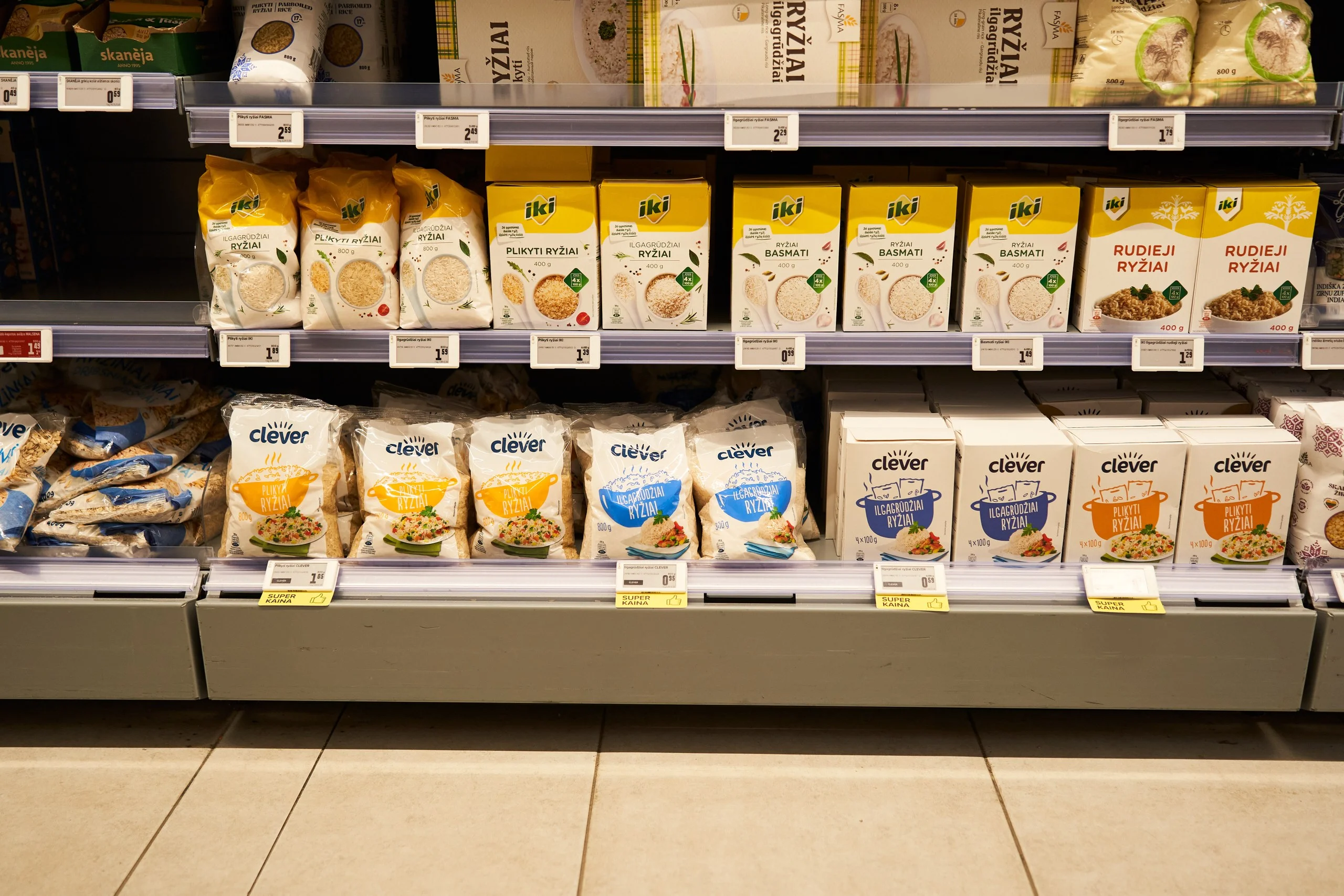
In Lithuania, the grocery landscape is undergoing a significant transformation that mirrors long-standing shifts in the UK and Western Europe. Sales of “Clever,” a budget-friendly private label exclusive to the Iki supermarket chain, have surged by nearly 30% this year. This double-digit growth signals a profound change in consumer psychology across the Baltic region, where shoppers are increasingly prioritizing pragmatic value over brand prestige.
For years, emerging markets in Eastern Europe were characterized by a strong preference for well-known international brands, often viewed as symbols of quality and status. However, a combination of economic pressures and a maturing retail market has led to a “Westernization” of shopping habits. Consumers are no longer reaching for the most expensive box out of habit; they are scrutinizing the relationship between price and actual product utility.
The 30% Shift: Data Behind the Changing Basket
The nearly 30% increase in sales for Iki’s entry-level brand is not merely a reaction to inflation, but a reflection of a new “rational shopping” era. According to Gintarė Kitovė, Head of Communications at Iki, the modern shopper is abandoning the idea of private labels as a “backup option” or a sign of financial struggle. Instead, it is being reframed as a “clever” choice—a sentiment reflected in the brand’s name itself.
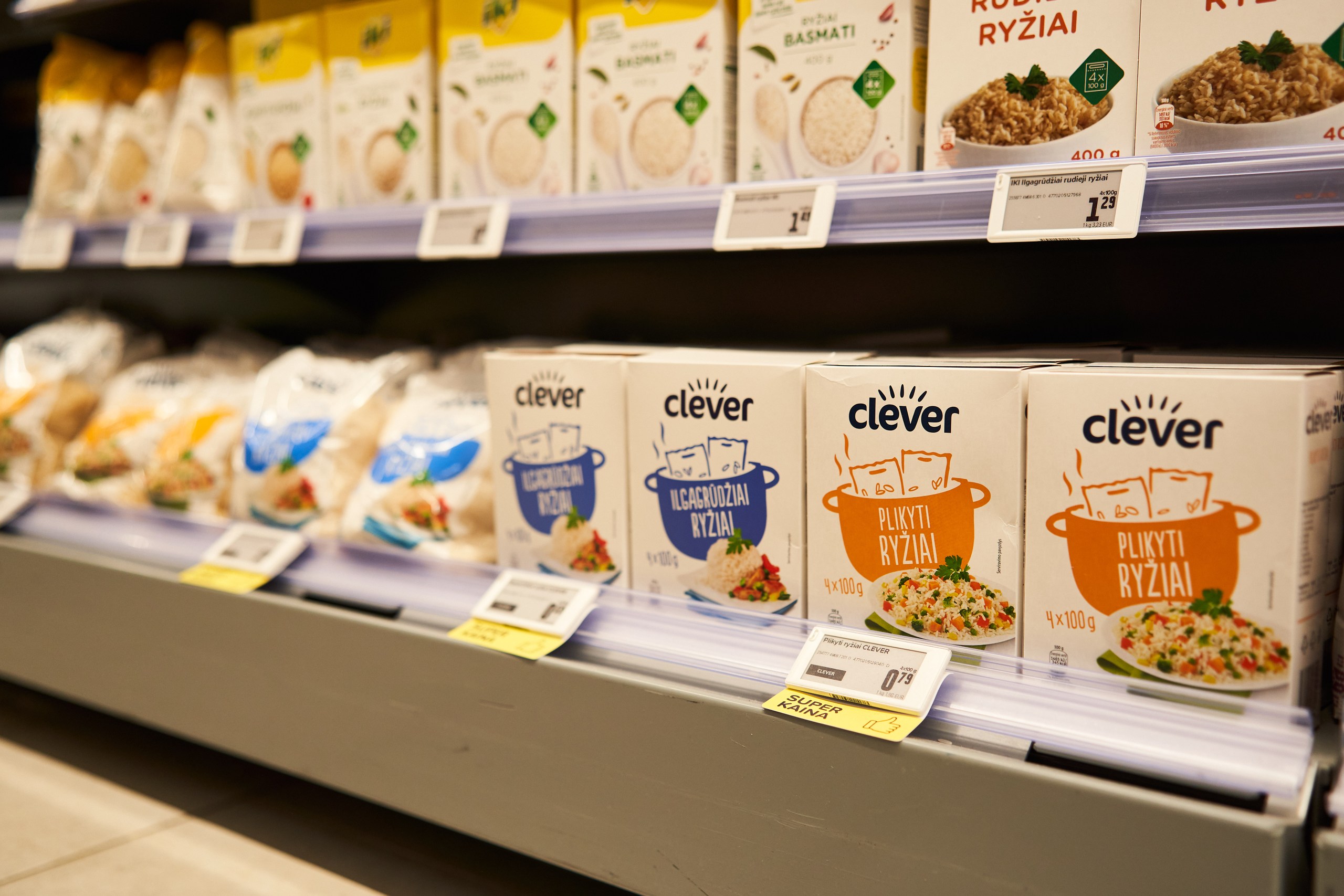
Analysis of the sales data reveals that this growth is driven by daily essentials rather than occasional purchases. This suggests that the private label is now a foundational part of the household budget.
| Metric | Detail |
|---|---|
| Sales Growth | 29% increase year-on-year |
| Product Range | Over 260 unique items |
| 2024 Expansion | 27 new products added this year |
| Top Categories | Fresh vegetables, dairy, bread, mineral water |
While these numbers show a clear trend toward saving, they do not necessarily prove a decline in overall consumer spending power. Instead, they indicate a reallocation of funds. By saving on staples like aluminum foil, bottled water, or basic dairy, consumers are gaining the flexibility to spend elsewhere in their budget. The data shows that even pet owners are making the switch, with cat food becoming one of the top-performing items under the budget label.
Quality Control and the Death of Brand Loyalty
A critical factor in this 30% surge is the narrowing gap between perceived quality and price. Retailers in Lithuania have adopted rigorous Western-style auditing processes to ensure that “cheaper” does not mean “inferior.” Iki, for instance, conducts food safety and quality audits at least once a quarter in every store, alongside systematic checks on raw materials.
This move toward private labels is also seen in the expansion of specialized house brands. Beyond the basic “Clever” line, the market is seeing growth in prepared meals (IKI Šefai), premium gourmet lines (Billa Premium), and even niche categories like unique coffee blends (Tira) and specialized snacks (Nice Bites).
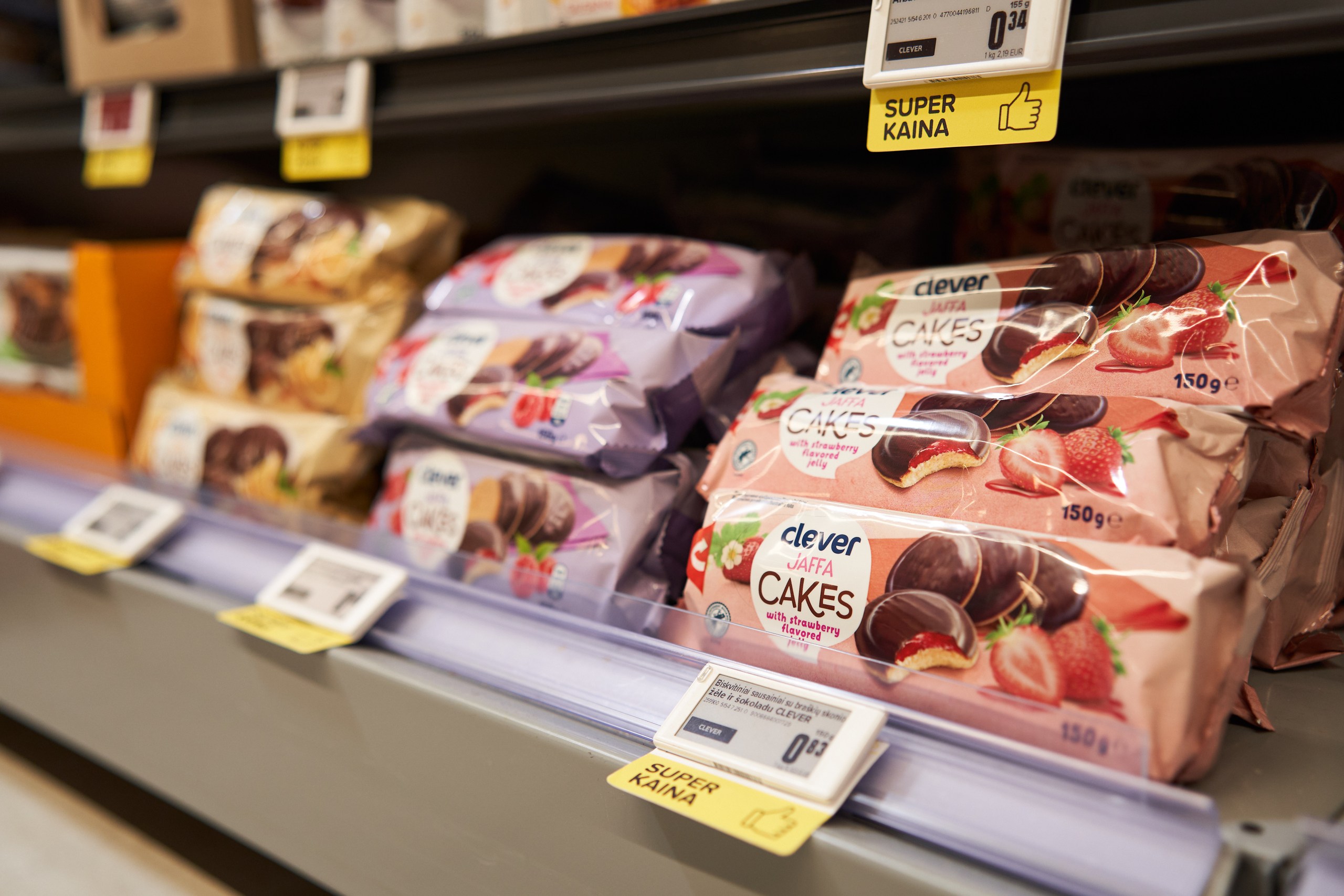
This diversification proves that the trend isn’t just about the lowest price point; it’s about the retailer becoming the brand. When a supermarket can guarantee the quality of its own-brand salmon or olive oil, the incentive for the consumer to pay a premium for a third-party logo diminishes significantly.
The Future of the Baltic Retail Shelf
Looking ahead, the dominance of private labels in Lithuania is expected to solidify further. The retailer has already introduced 27 new products this year alone, ranging from pork and chicken fillets to sardines and baking supplies. This aggressive expansion suggests that the “private label ceiling” seen in markets like the UK—where store brands can account for nearly half of all grocery sales—is the new target for Baltic retailers.
As shoppers become more comfortable with these products, the challenge for international big-name brands will be to justify their price premiums in an increasingly skeptical market. For the consumer, the result is a more competitive environment where the “smart” choice is becoming the default choice.
Source: ELTA



Comments