
Magna Carta at Runnymede: why 15 June still matters
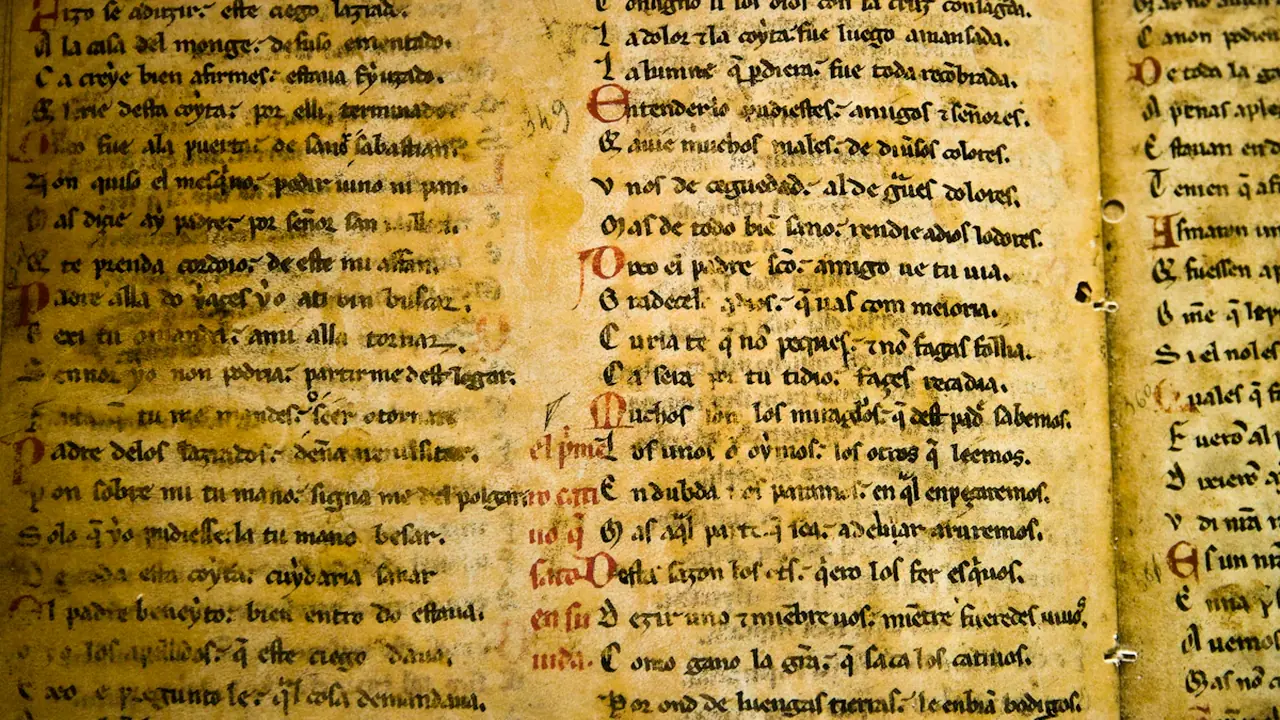
On 15 June 1215, King John accepted Magna Carta at Runnymede, a meadow beside the River Thames that has become one of the most charged places in English constitutional history. The document did not create modern democracy in a single day. It began as a peace deal in a medieval crisis, then gained a much larger meaning as later generations argued about law, power and rights.
That distinction matters. Magna Carta is famous because it supplied durable language for limiting arbitrary rule, not because thirteenth-century England suddenly became a country of equal citizens. Its force lies in the long afterlife of a failed settlement.
Why King John faced rebellion in 1215
The crisis behind Magna Carta grew from war, money and mistrust. King John had lost important lands in France, demanded heavy payments from his subjects and quarrelled with leading figures in church and noble society. By 1215, a group of rebel barons had taken London and forced negotiations.
Runnymede was chosen as a meeting place between royal and rebel camps. It was close enough to London to matter politically, but open enough for a tense negotiation between armed parties. The result was not a philosophical declaration drafted in calm conditions. It was a practical attempt to stop civil war.
The barons were not democrats in the modern sense. They were powerful landholders defending their privileges, property and political leverage. Yet their dispute with the king produced clauses that later readers could separate from the immediate baronial quarrel.
The British Library’s Magna Carta material treats the document as both a medieval artefact and a symbol with a complicated legacy. UK Parliament also places it within the longer story of how limits on royal authority helped shape the later development of Parliament.
What Magna Carta said in 1215
Magna Carta contained 63 clauses. Many dealt with feudal payments, inheritance, debts, widows, forests, courts and the rights of the Church. Some were highly technical, reflecting the immediate complaints of the political elite rather than broad rights for the whole population.
The best-known clauses concerned lawful judgment and justice. The charter stated that free men should not be imprisoned, dispossessed or outlawed except by lawful judgment or by the law of the land. It also said that justice should not be sold, denied or delayed.
Those words have echoed for centuries, but their original reach was limited. “Free men” did not mean everyone living in England. Villeins and many others remained outside the protection later readers might imagine. Women, the poor and the unfree did not receive anything like modern equal rights.
Magna Carta also tried to make King John keep his promises. A group of 25 barons was given a role in enforcing the settlement if the king broke it. That enforcement clause shows how little trust remained between the crown and the rebel aristocracy.
What changed and what did not change
In the short term, Magna Carta failed. King John soon appealed against it, and Pope Innocent III annulled the charter in 1215. England returned to war, and John died the following year.
That could have made Magna Carta a historical dead end. Instead, it was reissued under John’s young son, Henry III, in revised forms. The versions that survived politically were not identical to the 1215 settlement, but the name and prestige of Magna Carta endured.
The immediate changes were therefore narrower than the myth. Magna Carta did not establish universal suffrage, parliamentary democracy, religious freedom or a modern bill of rights. It did not make the king answerable to an elected public.
Its importance was more specific and more durable: it made the idea that the ruler was subject to law politically useful. Once that idea was written into a royal charter, later generations could return to it, reinterpret it and use it against new forms of authority.

How Runnymede became a constitutional landmark
Runnymede matters because it gives a physical setting to an argument that never stayed in the thirteenth century. The meadow became associated with the claim that power should be constrained by law, even when the original document was concerned with a narrower feudal settlement.
Over time, lawyers, parliamentarians, campaigners and historians treated Magna Carta as evidence that English liberties had deep roots. Some of those uses were selective. Later readers often emphasised a few clauses while ignoring the many provisions tied to medieval landholding and royal finance.
That selective memory is part of the story. Magna Carta became powerful not only because of what it said in 1215, but because people kept returning to it during later struggles over taxation, imprisonment, representation and executive authority.
UK Parliament’s account links Magna Carta to the wider evolution of Parliament, not as a single origin point but as part of a longer process. The charter helped support the principle that rulers could be challenged through law and political consent.
The myth and the more useful truth
A common myth says modern British democracy began at Runnymede. The more useful truth is that Magna Carta became one ingredient in a much longer constitutional tradition.
Several careful points help keep the story grounded:
- Magna Carta was first a settlement between King John and rebel barons.
- Many clauses protected elite interests, not universal rights.
- Its most famous legal language later became more important than many original details.
- The 1215 charter failed quickly, but revised versions kept the idea alive.
- Its reputation grew because later generations used it in new arguments about power.
This is why the anniversary still draws attention. 15 June is not the birthday of modern freedom in a simple sense. It is a reminder that constitutional ideas often begin in messy political disputes, then acquire wider meanings through use, memory and reinterpretation.
A short timeline of Magna Carta’s early afterlife
- 1215: King John accepts Magna Carta at Runnymede after baronial rebellion.
- 1215: Pope Innocent III annuls the charter, and conflict resumes.
- 1216: Magna Carta is reissued after John’s death, with revisions.
- 1217: A further reissue helps distinguish the Charter of the Forest from Magna Carta.
- 1225: Henry III issues a version that becomes central to its later legal authority.
- 1297: Magna Carta is confirmed under Edward I and enters statute law.
The timeline shows why the later document cannot be reduced to one dramatic moment. Runnymede matters, but the constitutional landmark was built through repetition, revision and political need.
Why the document still carries cultural force
Magna Carta remains useful because it gives people a compact way to talk about a difficult problem: what stops power from becoming arbitrary? The medieval answer was limited, unequal and bound to its time. The later question is broader and still recognisable.
That is why the charter appears in public debate, court culture, parliamentary history and education. It is not treated seriously because every clause still speaks directly to modern life. It is treated seriously because it became a reference point for the rule of law.
There is also a British cultural reason for its endurance. The UK constitution is not contained in one single written document. Because of that, historical texts, statutes, conventions and legal principles all carry symbolic weight. Magna Carta is one of the oldest and most famous of those reference points.
The best way to read it today is neither as a perfect charter of liberty nor as an irrelevant relic. It was a pressured medieval agreement that failed almost immediately, yet left behind language and precedent that later generations found too useful to abandon.
That is why Runnymede still matters on 15 June: not because history finished there, but because an argument about law and power became part of Britain’s constitutional memory.
Source: British Library
Context & actions About this article
Source check Historical context
This explainer uses British Library material on Magna Carta and UK Parliament context on its constitutional afterlife.
- British Library material on Magna Carta and its legacy
- UK Parliament account of Magna Carta in the development of Parliament
- Clear distinction between the 1215 settlement and later constitutional meanings
- Source
- British Library
- Scope
- United Kingdom
- Updated
- 2026-06-15 07:33
Source check
Report a trust issue
Send a clear signal to community moderation if the source, facts or context need review.




Comments