
North Yorkshire survivor finds safety through housing help

A domestic abuse survivor who fled a violent home with her child has said specialist housing support in North Yorkshire helped them reach safety, avoid homelessness and begin rebuilding their lives.
The woman, speaking anonymously, said she left with just £60 and a car packed with essentials after deciding that remaining at home would put her life at serious risk. After an assessment, she and her child were placed in temporary accommodation and supported through the housing system until they secured a private rented home.
North Yorkshire Council says the case reflects a wider push to strengthen housing support for victims and survivors of domestic abuse, backed by nearly £600,000 in government funding over two years through the Domestic Abuse Grant.
A safe route out after leaving home
The survivor said leaving was the only way to protect herself and her child from further harm.
“I knew that staying would have put my life at serious risk,” she said. “With a young child to protect, I understood that true safety meant creating distance from the perpetrator. With just £60 to my name and a car packed with the bare essentials, I fled.”
She initially stayed with other people before approaching the council for help. The support that followed included temporary accommodation, help from a homelessness support worker, advice on navigating the system and assistance with basic essentials.
“That support gave us a safe, stable place of our own and the chance to rebuild our lives,” she said. “Many people stay in abusive relationships because they see no safe way out. I am deeply grateful that support existed for me, and I hope others know that taking the first step can change everything.”
Specialist housing roles across the county
The housing work is part of a programme led by the council’s community safety team to meet duties under the Domestic Abuse Act 2021 and support the North Yorkshire and York Domestic Abuse Strategy 2024-2028.
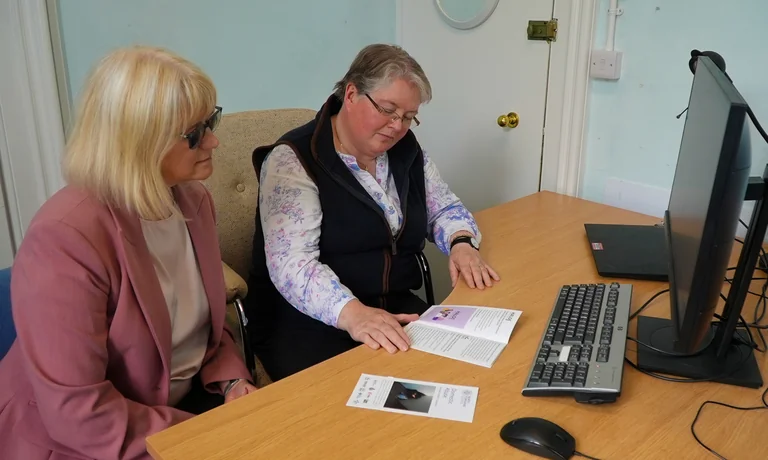
Two domestic abuse housing coordinators now work across the county, supporting housing teams, strengthening partnerships and helping prevent homelessness linked to abuse. They are joined by four specialist domestic abuse housing practitioners, delivered with commissioned service IDAS, who provide frontline help to people in temporary or emergency accommodation.
Council staff have also been invited to become domestic abuse champions. So far, 32 people have signed up after internal training sessions aimed at building confidence and awareness among frontline housing teams and other services.
Cllr Heather Phillips, executive member for corporate services with responsibility for community safety, said too many people are forced into homelessness because of domestic abuse, while refuge spaces cannot always meet every need.
“By strengthening our housing offer, we are giving victims and survivors greater choice, quicker access to support and safer places to live,” she said.
Rural isolation can make escape harder
Domestic abuse can quickly become a housing crisis when a victim has to leave home at short notice, especially where money, transport, children, pets or fear of being found are involved.
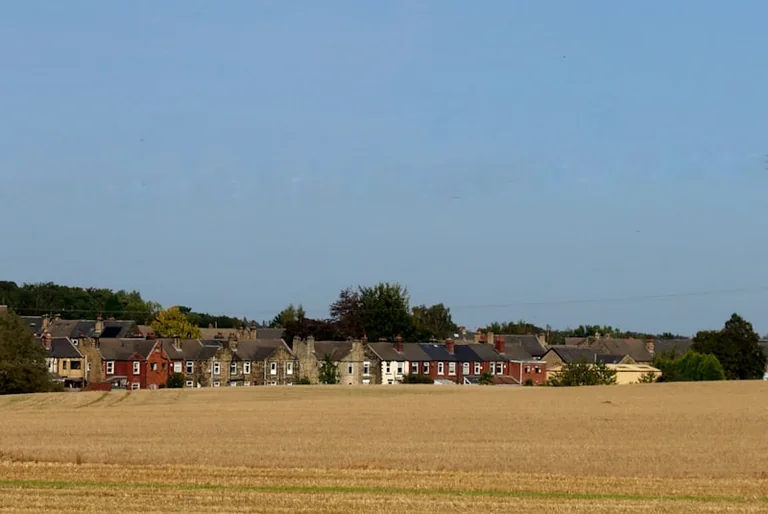
In North Yorkshire, the county’s rural geography can add further barriers. Some homes are far from neighbours, public transport, services and specialist support, making it harder for victims to seek help safely or move away from a perpetrator.
National figures cited by the council show that nearly 60,000 households in England were made homeless or faced homelessness because of domestic abuse between 2022 and 2023. Recent National Police Chiefs’ Council statistics also show that 150 domestic abuse victims were suspected of taking their own lives in the year to March 2025, up from 98 in the previous 12 months.
Housing policy changes elsewhere also show how councils are reviewing support for people at risk of homelessness, including priority rules for vulnerable residents.
Confidential support and emergency help
Domestic abuse housing coordinator Kelly Jefferson said the work is about supporting people at their most vulnerable moments, not only meeting policy requirements.
“When someone is fleeing abuse, the fear of losing their home can feel overwhelming,” she said. “By working closely across housing teams, community safety partners and specialist organisations, we can help survivors remain safe in their own homes where possible, or move quickly into secure, stable accommodation so they can begin to rebuild their lives.”
Anyone experiencing domestic abuse, or worried about someone else, can seek confidential advice from Independent Domestic Abuse Services, which provides support across North Yorkshire including safety planning and help to find accommodation. Emotional support is available 24 hours a day from Samaritans on 116 123. In an emergency, or if there is immediate danger, people should call 999.
Source: North Yorkshire Council
Context & actions About this article
Source check Source trail
This report is based on North Yorkshire Council's published account of its domestic abuse housing support work and quoted survivor testimony.
- Confirmed the survivor account is anonymous and attributed to the council source.
- Checked the funding figure of nearly £600,000 through the Domestic Abuse Grant.
- Matched the programme to the Domestic Abuse Act 2021 and the North Yorkshire and York Dome...
- Separated emergency help information from wider policy context.
- Source
- North Yorkshire Council
- Scope
- North Yorkshire
- Updated
- 2026-06-09 12:38
Source check
Report a trust issue
Send a clear signal to community moderation if the source, facts or context need review.




Comments