
Birmingham tenancy checks put scarce homes back in use
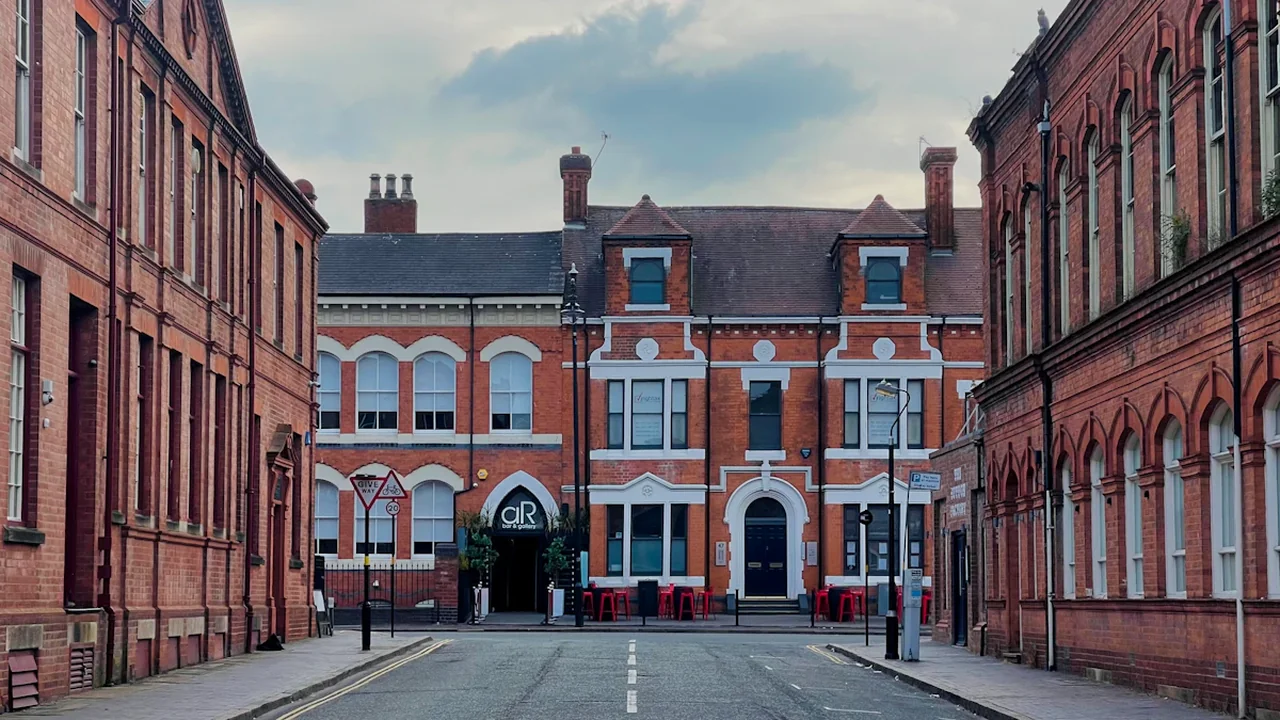
Birmingham City Council says tenancy fraud investigations saved the public purse nearly £5 million during the latest year covered by its figures. The work also returned 36 council homes to families in genuine need, cancelled 210 housing applications and stopped 12 Right to Buy applications.
Those results show the practical reach of the Birmingham City Council tenancy fraud team, but they do not prove that fraud itself has risen. The council attributes the higher detection rate partly to improved intelligence, stronger officer presence on estates, better referrals and closer cooperation between its teams.
What sits behind the nearly £5 million saving
The council’s calculation covers investigations into tenants suspected of fraudulently renting properties and Right to Buy applications cancelled because of fraud or insufficient funding. The published release does not provide a detailed breakdown of the saving by case type or explain how each prevented loss was valued.
That distinction matters when interpreting the headline figure: nearly £5 million is the council’s estimate of money protected through its wider investigation and prevention work, rather than a stated amount recovered from offenders.
Right to Buy prevention showed the sharpest year-on-year change. Almost four times as many applications were cancelled as in the previous year, although the council did not publish the earlier total or separate cancellations involving suspected fraud from those involving a lack of funding.
Recovered homes return to a heavily stretched system
Investigators recovered 36 council properties and had them re-let to families assessed as being in genuine need. The result carries particular weight in Birmingham, where more than 35,000 people are on the housing register waiting for a safe and suitable home.
A fraudulently occupied property is not simply an administrative problem in that context. It removes a scarce council home from the allocation system and extends the pressure faced by applicants already waiting for housing.
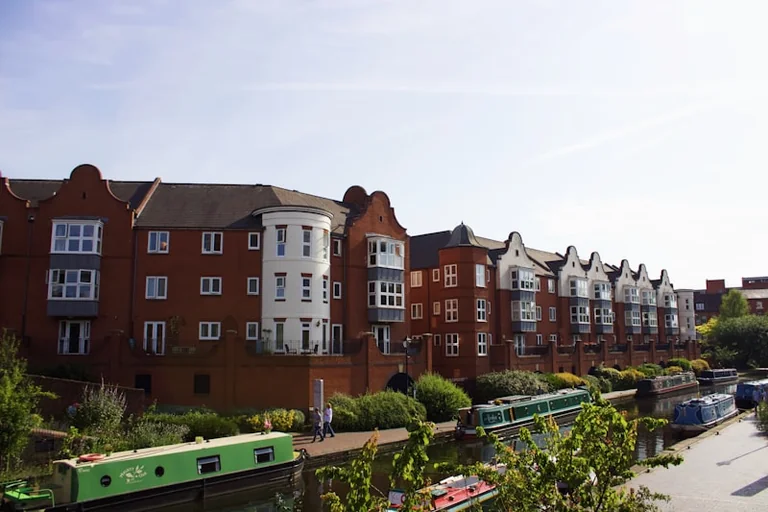
Cabinet Member for Housing Cllr Baber Baz said tenancy fraud deprives people of much-needed homes and that the council would use the full extent of the law against those abusing the system. He also credited reports from honest tenants and residents with helping investigators identify possible cases.
Investigators targeted five forms of tenancy abuse
The cases examined by the team included:
- Illegal subletting of council properties to other people.
- False information in applications for social housing.
- Fraudulent Right to Buy applications.
- Tenants who were not living at their registered addresses.
- Unlawful attempts to succeed to a council tenancy after the tenant had died.
The cancellation of 210 housing applications prevented applicants whose claims did not withstand investigation from progressing through a system serving thousands of households.
Estate intelligence strengthened enforcement
The council says improved performance came from more visible officers on estates, higher-quality referrals and better working relationships between council teams. It cautioned that the greater amount of detected fraud reflects those stronger checks and should not be read solely as evidence that fraudulent activity has become more common.
Residents are being asked to watch for signs such as an unexplained change in occupants, vague answers about who lives at an address, increased antisocial behaviour, an apparently abandoned property or someone describing a private landlord when the council owns the home. Suspected tenancy fraud can be reported through Birmingham City Council’s website.
Source: Birmingham City Council
Context & actions About this article
Source check Source trail
This report distinguishes Birmingham City Council’s stated results from details and calculations not included in its release.
- Matched the reported outcomes of nearly £5 million saved, 36 homes recovered, 210 housing...
- Preserved the council’s caveat that higher detection reflects improved intelligence and do...
- Identified that the source provides no case-by-case breakdown or valuation method for the...
- Kept the reporting period general because exact start and end dates were not supplied.
- Source
- Birmingham City Council
- Scope
- Birmingham
- Updated
- 2026-07-23 10:23
Source check
Report a trust issue
Send a clear signal to community moderation if the source, facts or context need review.



Comments