
Northampton and Towcester residents breathe easier as air quality improves: what residents need to know
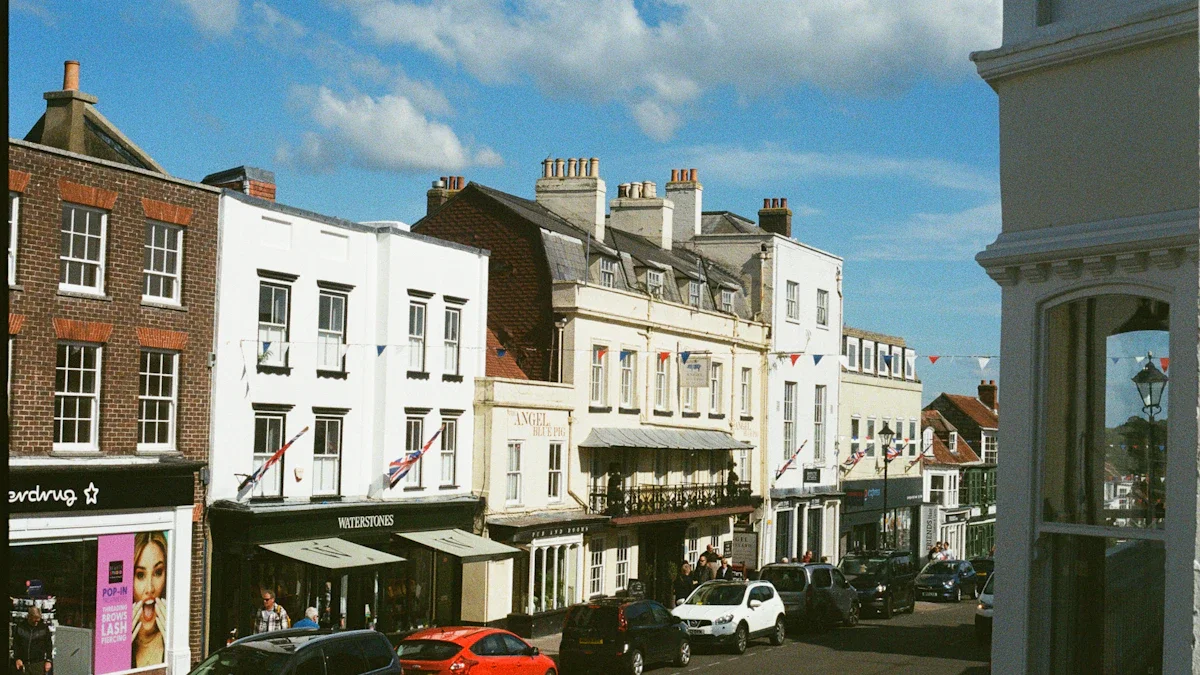
Residents in Northampton and Towcester are seeing a formal change in their local environment, separate from upcoming active travel works elsewhere in the town, as four Air Quality Management Areas (AQMAs) have been officially revoked. Data from West Northamptonshire Council confirms that nitrogen dioxide (NO2) levels have remained consistently below national safety limits for at least three consecutive years. This sustained compliance indicates a long-term improvement in the atmosphere of previously congested urban corridors.
Specific streets removed from air quality watchlists
The revocation affects several high-traffic areas where pollution was once a primary concern. In Towcester, Watling Street is no longer classified as an AQMA. In Northampton, the changes cover Victoria Promenade, Campbell Square, and St Michael’s Road. These locations were originally designated for special monitoring due to high concentrations of vehicle emissions, which are the main source of nitrogen dioxide in the region.
The removal of these designations is not a symbolic gesture but a result of verified environmental data. Under the Local Air Quality Management Framework, councils must prove that pollutant levels have dropped and will stay low before they can legally revoke an AQMA. For these four zones, the downward trend in NO2 has been stable enough to meet the stringent requirements set by national guidance.
Monitoring standards and nitrogen dioxide limits
Nitrogen dioxide is a byproduct of fuel combustion, particularly from diesel and petrol engines, and is linked to various respiratory health issues. The UK national objective for NO2 is an annual mean of 40 micrograms per cubic metre (µg/m3). By maintaining levels well below this threshold for three years, West Northamptonshire has demonstrated that local initiatives to manage traffic and encourage cleaner transport are having a measurable effect.

West Northamptonshire Council currently operates a network of over 140 monitoring locations. These sensors provide the raw data necessary to track the impact of the Air Quality Action Plan. The ongoing monitoring ensures that any sudden spikes in pollution can be identified and addressed before they become a permanent health risk for residents living or working near busy junctions.
Continued focus on St James and Harborough Road
While four areas have shown significant improvement, the work is not complete across the entire district. Three AQMAs will remain in place and continue to receive focused attention from environmental health officers. These are located at Bradshaw Street, St James, and Harborough Road in Northampton. These zones still require active intervention and monitoring to ensure they eventually meet the same safety milestones achieved in Towcester and the town centre.
The council is continuing to work with partners to deliver measures set out in its broader environmental strategy. This includes initiatives to reduce idling, support the transition to electric vehicles, and improve infrastructure for sustainable travel. The goal is to eventually revoke the remaining three AQMAs as nitrogen dioxide levels continue to decline across the county.

New digital tools for resident awareness
To increase transparency, residents can now access the DEFRA UK AIR Local Air Quality Dashboard. This digital tool allows users to search by postcode to see real-time monitoring data and active management areas in their specific neighborhood. The platform also provides a five-day air pollution forecast, helping vulnerable residents or those with respiratory conditions plan their outdoor activities.
Detailed information regarding the specific monitoring locations and the latest annual status reports is also available via the West Northamptonshire Council website. This data provides a street-by-street breakdown of how air quality has changed over the last decade, offering a clear view of the progress made in reducing urban emissions.
Source: West Northamptonshire Council



Comments