
Paris Unveils Strategic Overhaul of Public Spaces to Prioritise Pedestrians and Accessibility

The City of Paris has announced a comprehensive new strategy to redesign its urban landscape, focusing on five core priorities intended to improve cleanliness, safety, and accessibility. The municipal government aims to transform the French capital into a “bioclimatic city” that prioritises vulnerable users, including children and people with disabilities, while streamlining the management of public works and street maintenance.
This policy shift represents a systemic approach to urban management, moving beyond individual projects to a unified framework for the city’s 20 arrondissements. The plan is built upon three foundational principles: universal accessibility to ensure ease of movement for all, gender equality in the design of public spaces to enhance safety, and a “child-height” urban philosophy that adapts streets to the needs of the youngest and most vulnerable residents.
Strategic Priorities for Urban Management
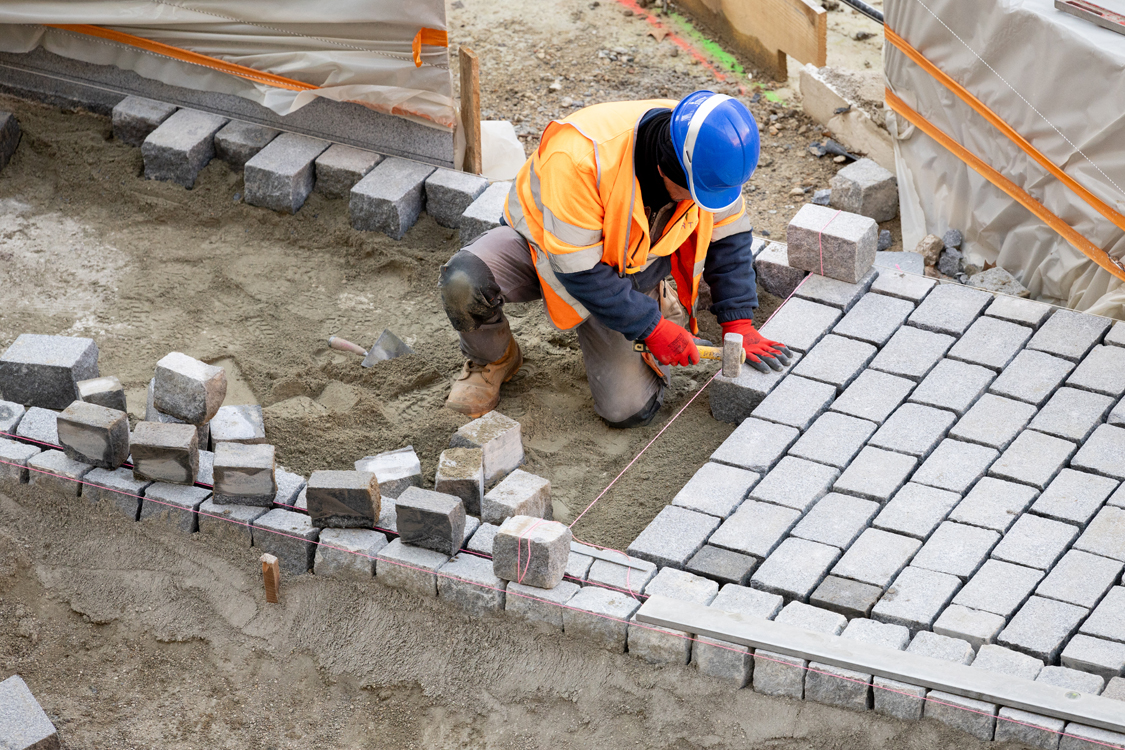
The municipal executive has identified five specific areas where intervention will be concentrated to improve the daily experience of the city. A primary focus is the de-cluttering of pavements. By removing unnecessary obstacles, the city intends to facilitate smoother transit for elderly residents, people with disabilities, and families with pushchairs. This effort is coupled with a new mandate for the coordination of public and private construction sites. To mitigate the disruption caused by the city’s frequent renovations, stricter controls will be implemented to ensure clear, safe pathways are maintained for pedestrians and local businesses throughout the duration of any works.
Cleanliness remains a central pillar of the new strategy. The city has identified 1,000 “black spots”—areas with chronic waste or maintenance issues—that will receive prioritised intervention. This will involve a more coordinated effort between central municipal services and local district town halls to ensure that high-traffic areas are maintained to a higher standard. Furthermore, the city is intensifying its crackdown on “incivilities,” targeting illegal dumping, non-compliant pavement terraces, and unauthorised street vending.
Enhancing Mobility and Pedestrian Infrastructure
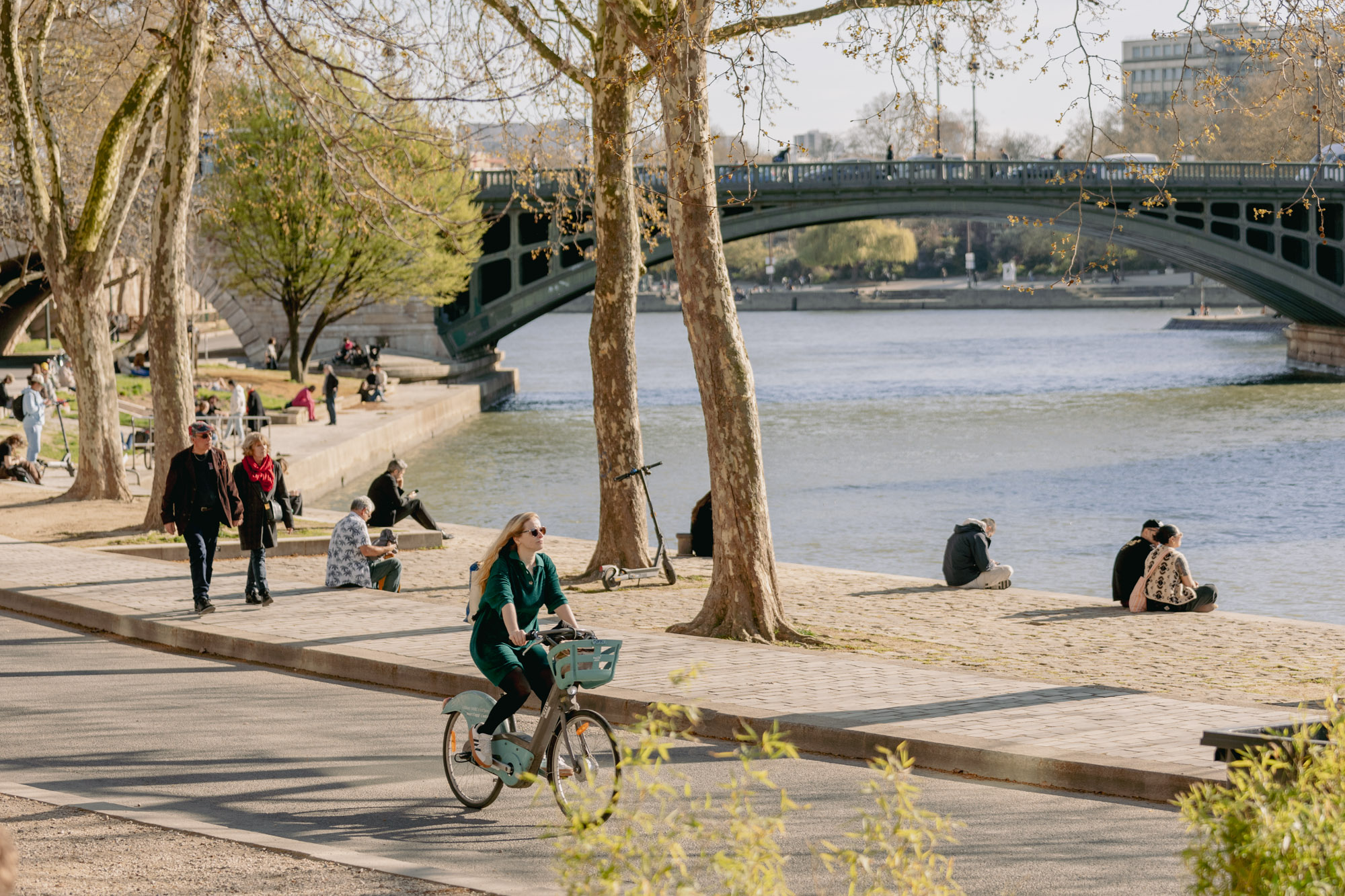
To support the transition away from car-dominance, Paris is expanding its pedestrian and public transport infrastructure. The plan includes the creation of 80 new “pedestrian hearts”—zones where foot traffic is prioritised over motorised vehicles. Additionally, the city will develop 25 kilometres of continuous promenades along the banks of the Seine and its canals, further reclaiming the waterfront for leisure and active travel.
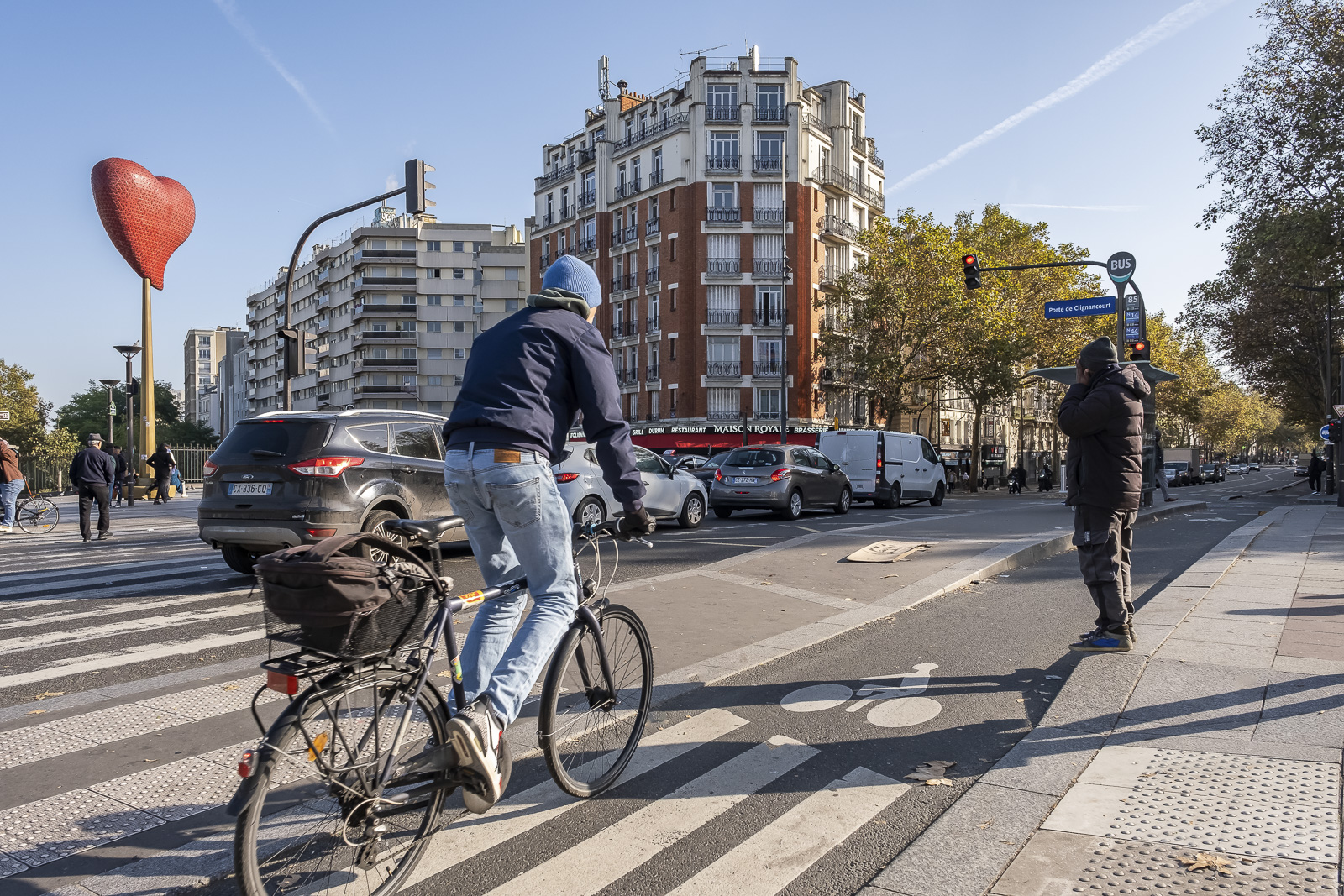
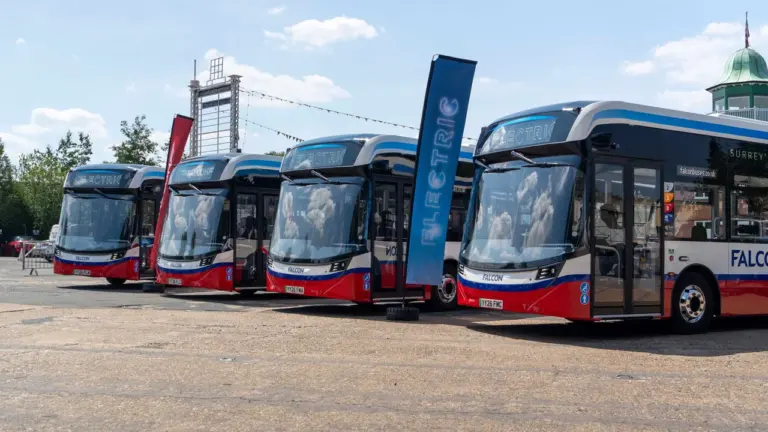
Public transport efficiency is also being addressed through the introduction of 15 express bus lines. These routes will benefit from dedicated infrastructure and traffic management to ensure faster transit times across the capital. To protect these new pedestrian and cycling environments, a specialised municipal brigade will be tasked with addressing “motorised violence,” targeting dangerous driving behaviours that threaten the safety of non-motorised road users.
| Project Target | Scope of Implementation |
|---|---|
| Pedestrian Hearts | 80 new zones across the city |
| Seine Promenades | 25 km of continuous walkways |
| Express Bus Lines | 15 dedicated routes |
| Priority Maintenance | 1,000 identified “black spots” |
| Pedestrian Safety | New brigade against motorised violence |
Aesthetic Standards and Heritage Protection
Beyond functional improvements, the City of Paris is introducing a new aesthetic requirement for all urban interventions. The “Right to Beauty” (le droit au beau) will be formalised through the creation of a General Delegate for Design and Aesthetics. This official will oversee the implementation of a “Manifesto of Beauty,” a reference framework establishing standards for material quality, the harmony of street furniture, and the protection of both historic and “ordinary” Parisian heritage.
This aesthetic vision aims to ensure that new developments do not detract from the city’s iconic landscape. It involves a revision of regulations governing street furniture, shop displays, and terraces to ensure a more harmonious and legible public space. By integrating design quality with functional utility, the city hopes to enhance the overall quality of life for residents while maintaining its global appeal as a cultural capital.
Implementation and Future Oversight
The rollout of these policies will involve a closer partnership between the central City Hall and the individual arrondissements. This decentralised approach is intended to allow for more responsive management of local issues, particularly regarding the 1,000 priority black spots. The city also plans to update its “Roadway Regulations” (règlement de voirie) to reflect these new priorities, providing a legal basis for stricter enforcement of cleanliness and accessibility standards.
As these changes take effect, the municipal government will monitor the impact on traffic flow and public satisfaction. The long-term goal is a city that is not only more resilient to climate change but also more inclusive and easier to navigate on a daily basis. Residents can expect to see the first wave of these interventions, particularly the de-cluttering of pavements and the initial pedestrian zones, beginning in the coming months.
Source: Mairie de Paris

Comments