
Six white-tailed eagles take flight over Exmoor
By the Beehive Web editorial team | 4 August 2026
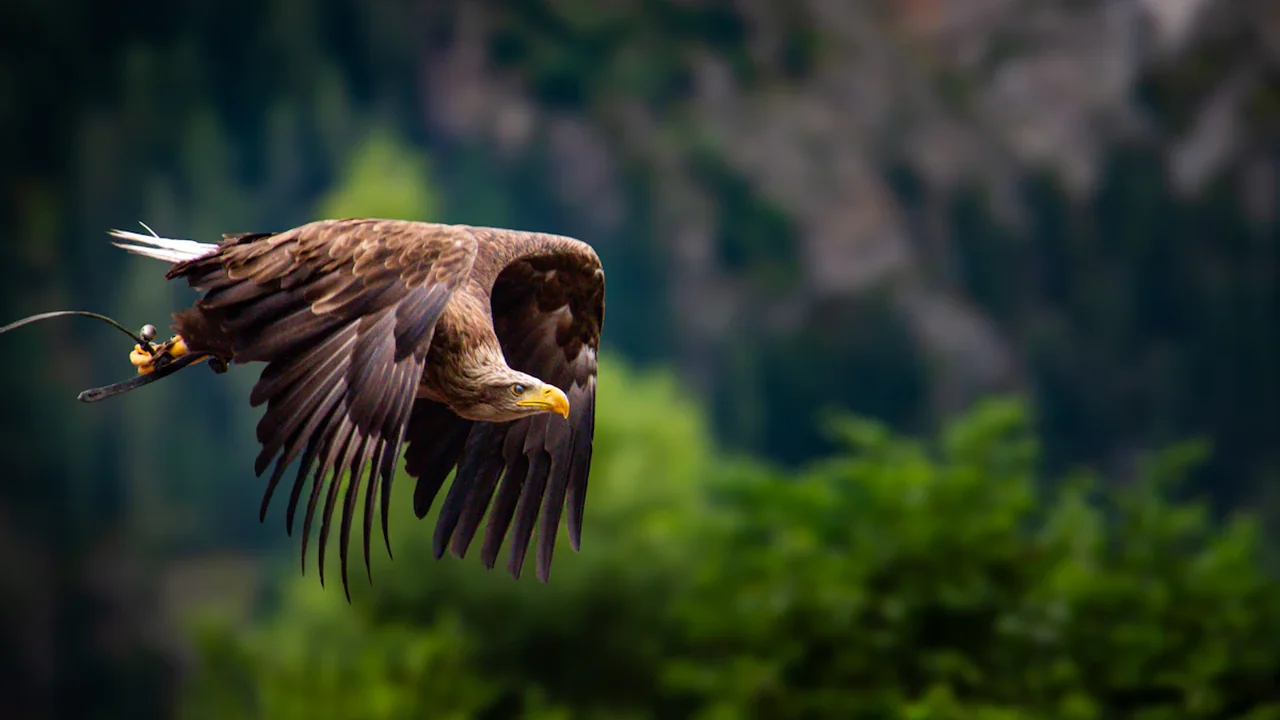
Six young white-tailed eagles fitted with satellite trackers have been released in Exmoor National Park, returning Britain’s largest bird of prey to a landscape where it disappeared more than 200 years ago.
The birds were collected from the wild in Scotland under a NatureScot licence earlier this year. Specialists cared for them on Exmoor while they became familiar with their surroundings, before releasing them as the first group in a planned three-year expansion of England’s white-tailed eagle population.
Scotland-sourced eagles begin exploring Exmoor
The young eagles are expected to travel widely rather than remain inside the national park. Project staff say their early journeys could take them across the UK and potentially into Europe before they return to the region to breed at four or five years old.
Satellite trackers will allow the team to follow that progress closely. The monitoring will provide evidence about how the birds use Exmoor, where they travel and whether they eventually establish themselves across south-west England.
The reintroduction is being conducted under licence from Natural England. A feasibility study and public surveys preceded the release, while a steering group containing community members and local organisations is helping to guide the project.

Exmoor’s coast has already attracted released birds
Exmoor was selected after tracking data from eagles released on the Isle of Wight showed that several had visited the area frequently. That evidence indicated the national park was already within the birds’ expanding range.
The landscape also offers the conditions required by the species. White-tailed eagles formerly bred along the Exmoor coast, where the combination of coastal habitat, potential breeding sites and abundant fish continues to provide suitable territory.
The birds vanished from the area after persecution, making this the first reintroduction to Exmoor since their loss more than two centuries ago. Their release extends the restoration project beyond its original base on the Isle of Wight and into the South West.
Isle of Wight releases produced the first wild chick
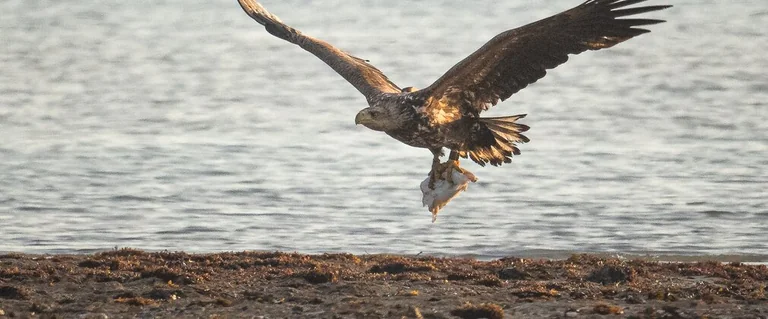
Forestry England and the Roy Dennis Wildlife Foundation began the wider English reintroduction programme in 2019. Forty-five white-tailed eagles have since been released from the Isle of Wight, and several are now breeding.
In 2023, the programme recorded the first white-tailed eagle chick born in the wild in southern England since 1780. The Exmoor releases are intended to strengthen that developing population while widening its potential breeding range.
Zoe Smith of the Roy Dennis Wildlife Foundation said the team would monitor the young birds as they explore and, over time, begin settling across the region. Releases from the Isle of Wight will continue alongside the work on Exmoor.
Returning predators reconnect land and coastal habitats
White-tailed eagles use both marine and terrestrial environments. Exmoor National Park Authority senior ecologist Ali Hawkins said their return would support biodiversity because the species plays a role across both types of ecosystem.
The project therefore concerns more than restoring a single missing bird. Its progress will show whether Exmoor can again sustain a breeding population linked to the eagles already establishing themselves along England’s south coast.
Stephen Egerton-Read, Forestry England’s project officer, said the additional releases should expand the population into south-west England. The tracked movements of the six young birds will provide the first evidence of how that expansion develops from Exmoor.
Up to 20 more birds will follow over three years
The six released eagles are the first stage of the Exmoor programme. Up to 20 additional young birds are scheduled to be released from the national park over the next three years, while the established Isle of Wight release programme continues.
Because young white-tailed eagles can range far from their release site, an immediate Exmoor breeding population is not expected. The project’s longer test will come when the birds reach breeding age at four or five and potentially return to establish territories in the region.
Source: Forestry England News
Context & actions About this article
Source check Source trail
Release numbers, dates, licensing details and future plans were checked against Forestry England's 4 August 2026 announcement.
- Confirmed that six young eagles were released in Exmoor.
- Confirmed that the birds came from Scotland under a NatureScot licence.
- Confirmed that satellite trackers were fitted before release.
- Confirmed plans for up to 20 additional Exmoor releases over three years.
- Source
- Forestry England News
- Scope
- Exmoor
- Updated
- 2026-08-04 13:49
Source check
Report a trust issue
Send a clear signal to community moderation if the source, facts or context need review.



Comments