
London’s woodland soils stayed 10°C cooler in heatwave
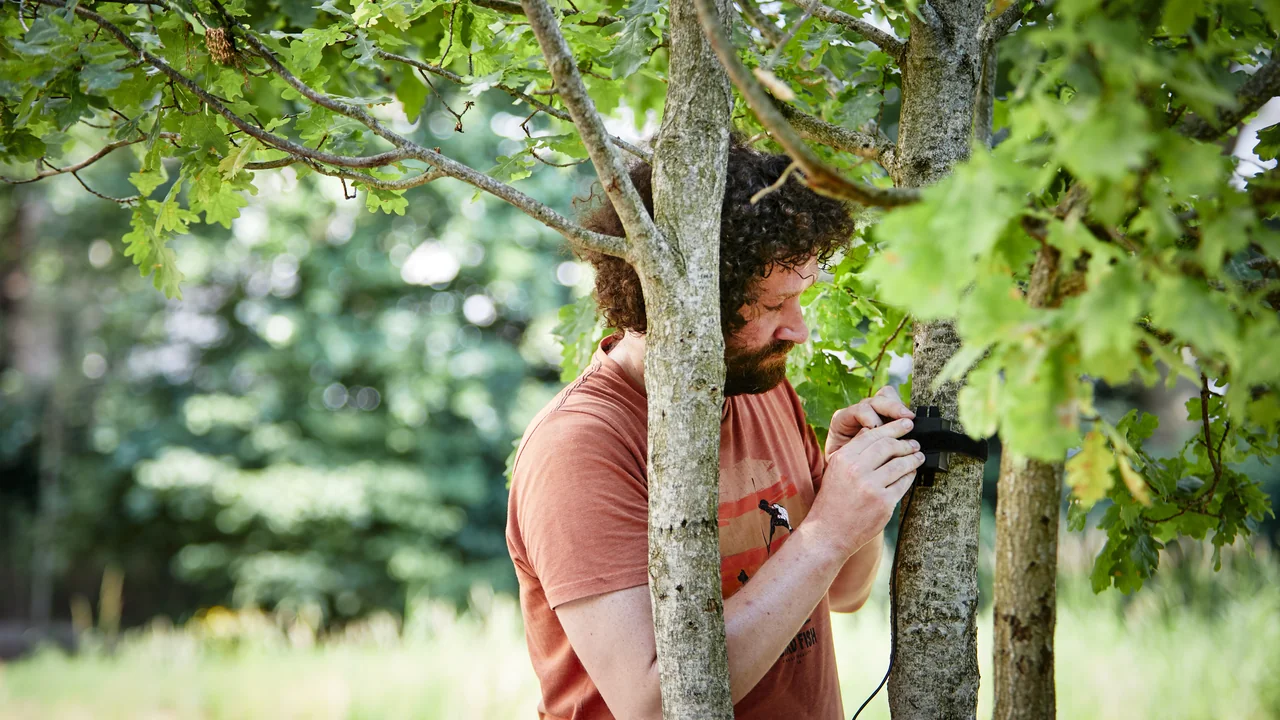
London’s urban green spaces may offer a measurable buffer against extreme heat: woodland soils in the Natural History Museum’s Living Laboratory Garden were 10°C cooler than surrounding conditions during a recent heatwave, according to the museum.
The finding comes as the garden’s sensor network passed 11 million environmental data records in its first year. The records are intended to help researchers track how urban nature responds to changing weather and support new biodiversity insights.
More than 11 million records from one London garden
The Living Laboratory Garden is part of the Natural History Museum’s Urban Nature Project. Its sensors continuously collect environmental information, creating a detailed record of conditions in the garden rather than a one-off snapshot.
The museum says its AWS-powered data ecosystem is helping turn those readings into material that can be used to study biodiversity. The release does not specify every type of measurement within the 11 million records, nor does it set out a long-term comparison with other London sites.
That limitation matters. A first-year dataset can show what happened at this garden during a particular period, but it cannot by itself prove that every woodland area in London will produce the same temperature difference in every heatwave.
Cooler woodland soil adds heatwave context
The 10°C difference is a striking local observation because soil temperature affects the conditions experienced by roots, insects and other life below ground. It describes woodland soils at the museum garden during a recent heatwave, rather than a confirmed cooling effect across every part of the site or the capital.
For London, the value of the observation is in the monitoring as well as the temperature gap. Repeated readings can help researchers examine whether particular habitats respond differently as weather conditions change, instead of relying on a single heatwave measurement.
The museum’s result also adds a data point to the wider concern about how drought, flooding and heat are reshaping Britain’s historic gardens. It does not establish a prescription for individual gardens, but it provides a live urban site from which to test how habitats behave under weather stress.
What the Urban Nature Project data can reveal next
The Natural History Museum describes the garden as a “living laboratory”, with the sensor network and data system designed to unlock further biodiversity findings over time. The most useful next evidence will be repeated observations across seasons and future heat events, showing whether the cooler woodland-soil pattern persists and how it relates to plants, insects and other wildlife.
For London readers, the immediate takeaway is narrower: a monitored urban garden has recorded markedly cooler woodland soils during a heatwave, while building a large environmental dataset that may help explain how city nature copes with heat.
Source: Natural History Museum Press Releases
Context & actions About this article
Source check Source trail
This article distinguishes the museum’s first-year sensor observations from wider conclusions about London’s green spaces.
- Confirmed the reported total of more than 11 million environmental data records.
- Confirmed the museum’s reported 10°C cooler woodland-soil observation during a recent heat...
- Checked that the garden is linked to the Urban Nature Project and uses an AWS-powered data...
- Flagged that the supplied release does not provide a multi-site or long-term comparison.
- Source
- Natural History Museum press release
- Scope
- London
- Updated
- 2026-08-13 09:43
Source check
Report a trust issue
Send a clear signal to community moderation if the source, facts or context need review.



Comments