
Under the Bonnet: The Costly Rodent Threat Every Driver Should Know
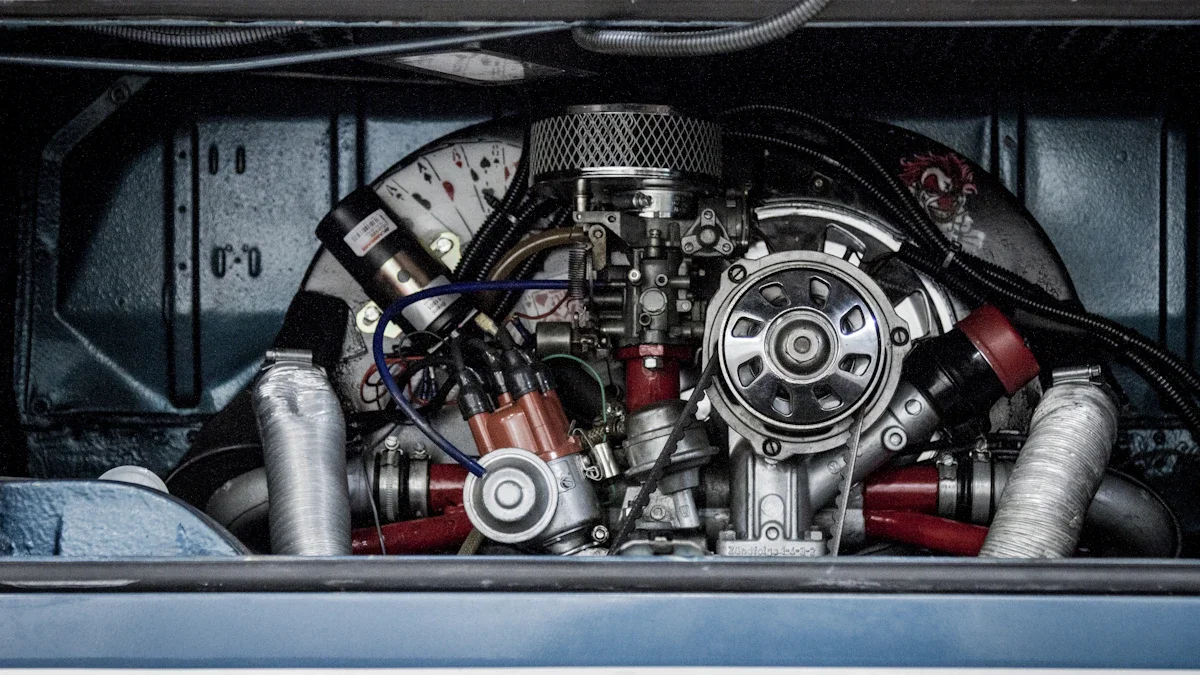
As the weather warms and the season for countryside excursions begins, motorists are being warned of a hidden risk that often goes unnoticed until it is too late. While drivers typically fear collisions with large wildlife like deer or foxes, insurance experts are highlighting a much smaller, more insidious threat: rodents. These uninvited guests, seeking shelter under the bonnet of parked cars, are leaving owners with repair bills reaching into the thousands.
Recent data from European insurance provider ERGO reveals a worrying trend in vehicle damage caused by small animals. While many drivers associate animal-related risks solely with high-speed collisions on forested roads, a significant number of claims now stem from vehicles that haven’t even left the driveway. The damage often remains hidden until a driver attempts to start the engine or sees a cluster of warning lights illuminate the dashboard.
The Rising Price of a Rodent Visit
The financial impact of these tiny intruders is escalating rapidly. Statistics from 2025 showed nearly 70 cases of rodent and bird-related damage within a single provider’s portfolio, with an average payout of approximately €400 per incident. However, the early months of 2026 have signaled a sharp increase in severity. Despite fewer total cases in the first quarter, the average cost per claim has nearly doubled to almost €800.
This surge in repair costs is attributed to the increasing complexity of modern vehicle electronics. A single chewed wire or a damaged sensor can trigger a cascade of system failures. In extreme cases, rodents have caused damage exceeding €4,000 by destroying critical wiring harnesses. Other high-cost incidents include the destruction of cabin air filters and ventilation systems, which can cost upwards of €2,000 to remediate, and the gnawing of turbocharger hoses and engine insulation.
Why Your Car Is the Perfect Nest
To a rodent, a car engine bay is an ideal habitat. It is warm, dry, enclosed, and filled with materials that satisfy their biological needs. Because a rodent’s teeth grow throughout its life, they must constantly gnaw on hard materials to keep them at a manageable length. The copper wiring, plastic casings, rubber seals, and insulation found in modern vehicles provide the perfect resistance for this grooming behavior.
Furthermore, many modern car manufacturers have transitioned to using soy-based bio-plastics for wire insulation to meet environmental standards. While eco-friendly, these materials can inadvertently attract rodents, essentially turning a vehicle’s electrical system into a food source. Once inside, animals often build nests using the car’s own soundproofing material, living undisturbed until the vehicle is next used.

Warning Signs: How to Spot a Compromised Vehicle
Detecting rodent damage early is crucial to preventing a total mechanical breakdown or a dangerous safety failure. Drivers should be vigilant for several key indicators:
- Unexplained Warning Lights: If the ABS, engine management, or airbag lights flicker or stay on, it may indicate chewed sensors.
- Strange Smells: A foul or musty odor coming through the air vents often points to a nest or debris lodged in the ventilation system.
- Fluid Leaks: Puddles of coolant or washer fluid under the car may be the result of gnawed rubber hoses.
- Start-up Issues: A car that struggles to turn over or misfires may have damaged ignition leads.
Beyond the financial burden, there is a significant safety concern. If rodents damage the wiring for the braking system or the steering mechanism, the driver may not realize the vehicle is compromised until they are already in traffic. This makes periodic inspections of the engine bay essential, particularly for vehicles that are parked outdoors for extended periods near wooded areas or gardens.
Protecting Your Investment
To mitigate the risk, experts recommend parking in well-lit areas or sealed garages whenever possible. If a vehicle must be left near high-grass areas or outbuildings, owners should check under the bonnet at least once a week for signs of droppings, nesting material, or nibbled components.
While some motorists turn to ultrasonic deterrents or scent-based repellents, their effectiveness can vary. The most reliable protection remains a comprehensive insurance policy. Most standard KASKO or fully comprehensive policies cover damage caused by animals, but it is vital for drivers to review their specific terms to ensure that ‘rodent damage’ is not excluded under general wear and tear or environmental clauses.
Source: BNS



Comments