
What Boarding a 400-Metre Megaship in Hamburg Feels Like
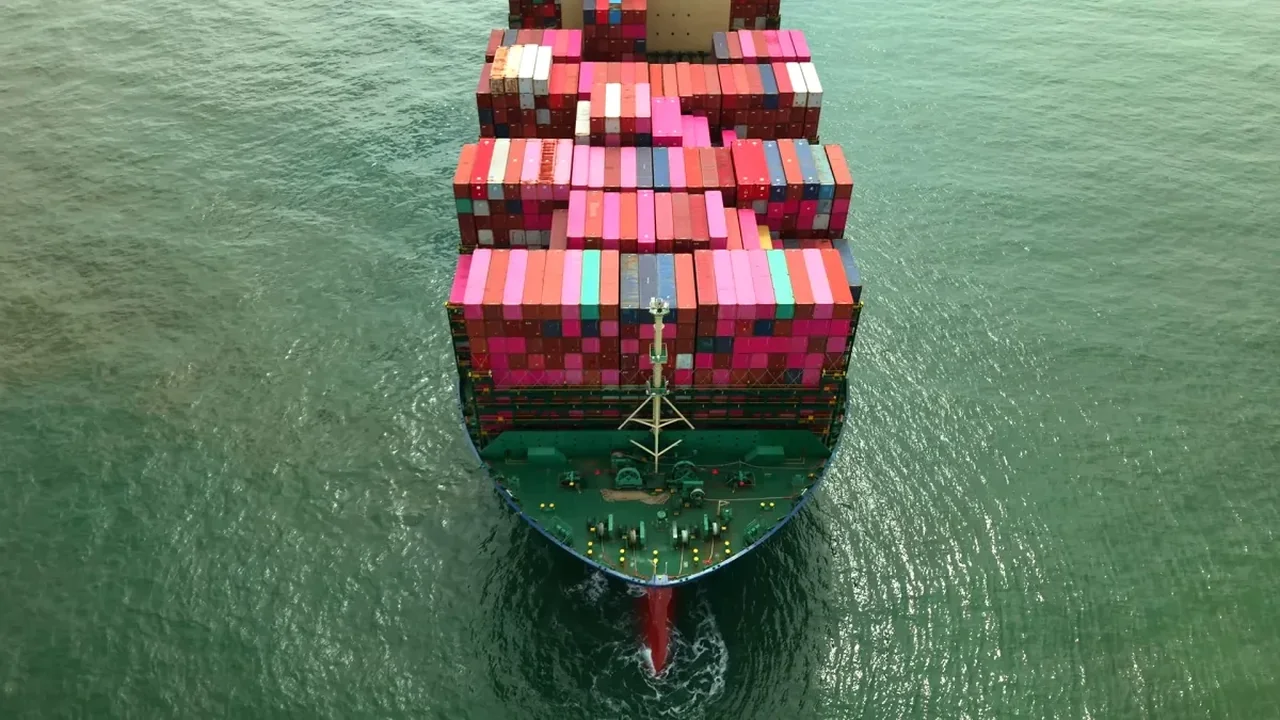
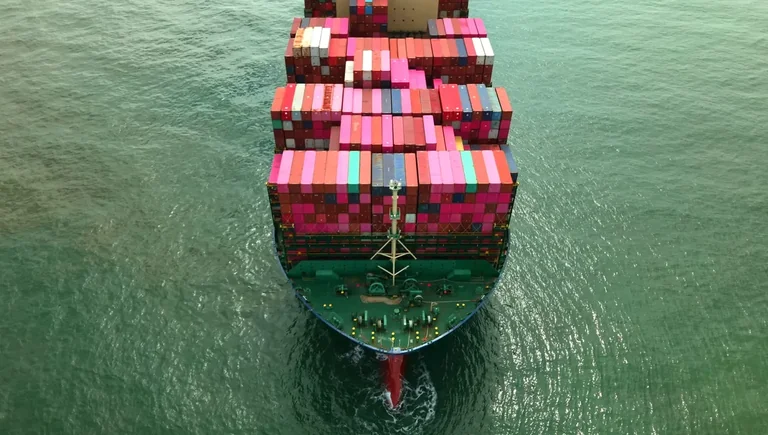
At the Port of Hamburg, HMM Southampton was difficult to recognise as a complete ship. Gantry cranes crowded its sides, while stacks of containers rose above a hull stretching almost 400 metres along the quay.
Artist and researcher Zoe Childerley boarded the vessel for a two-week passage through European waters. Her account, published by Royal Museums Greenwich, offers a rare view of an Ultra Large Container Vessel from the accommodation ladder, bridge and working decks rather than from the shore.
A museum model becomes a 400-metre wall of steel
Childerley already knew the ship’s outline from a scale model of its sister vessel, HMM Algeciras, displayed at the National Maritime Museum. In Hamburg, that relationship was reversed: the observer appeared miniature beside the real ship.
HMM Southampton is longer than The Shard is tall and extends nearly the length of four football pitches. Its white accommodation block rises through 11 floors, containing cabins, offices, communal rooms, a galley, gym, storage areas and the bridge.
The ship belongs to a class designed to carry enormous quantities of standardised containers between major ports. Its scale, however, does not eliminate its dependence on tides, weather, berth availability and careful human judgement.
Sixty steps separate the quay from shipboard life
Boarding began with an accommodation ladder of roughly 60 steps. Childerley then passed through a hatch, climbed two more flights and completed paperwork in the deck office before receiving an orange coverall and being shown to her cabin on Deck D.
Inside, the vessel felt less like a dramatic piece of marine engineering and more like a fluorescent-lit workplace. Corridors connected offices, control rooms and shared spaces furnished with computers, desks and practical plastic furniture. A small lift carried crew members between decks, and a notice warned passengers to close its heavy doors quietly because colleagues could be sleeping at any hour.
Every room had a window, although curtains were commonly kept shut. From Childerley’s cabin, opening them revealed the metal side of a container rather than an ocean view.
A crew of 26 keeps the megaship moving
HMM Southampton carried only 26 crew members, including three cadets. Officers monitored navigation systems and completed paperwork, while engineers and deck ratings worked through a continuing schedule of inspections, repairs and maintenance.
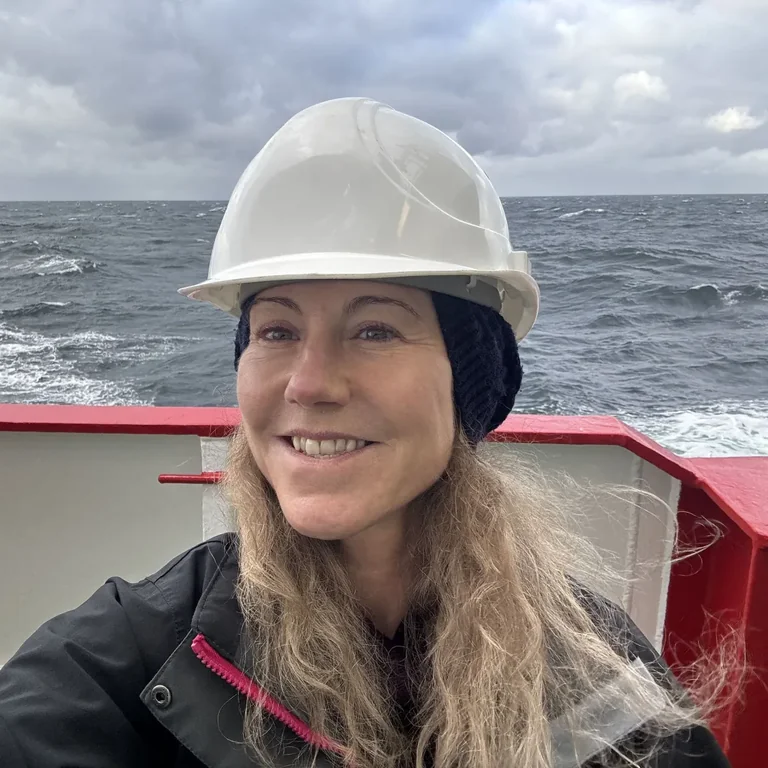
The multinational crew reflected the wider labour system behind container shipping. The officers were Korean, as were the bosun, one able seaman and the chief cook. Most ratings came from Myanmar, while an engineering cadet from the Philippines also served as the ship’s barber.
HMM operates the vessel on rotations lasting about 15 weeks. Childerley’s shorter passage began in Hamburg and continued to Felixstowe and Le Havre before reaching Algeciras, where she left the ship as it prepared to continue towards Asia. The published account does not specify the voyage date.
Congested seas can stop a ship built for constant motion
Leaving Hamburg required a journey of about 130 kilometres down the River Elbe. Successive harbour pilots guided the ship through different sections, while a Trinity House-licensed deep-sea pilot advised the bridge team across the North Sea and English Channel.
Although Felixstowe was approximately 400 nautical miles away, the passage took several days because no berth was available. HMM Southampton waited offshore, drifting and periodically using its engine to avoid being carried towards shallower water by wind and current.
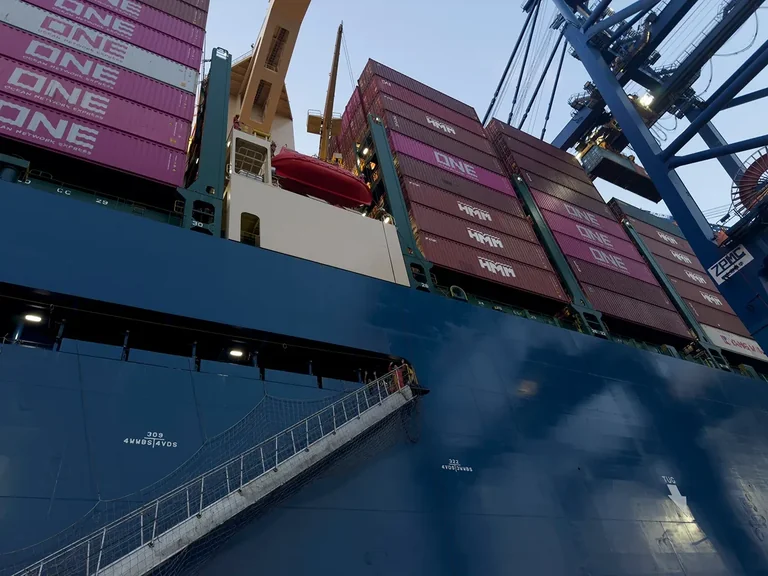
Arrival required another tightly controlled sequence. A pilot transferred from a launch onto the moving vessel, and tugboats capable of exerting roughly 70 to 80 tonnes of pulling force helped turn the hull and ease it sideways towards the quay. Gantry cranes then moved individual containers in less than a minute.
At Le Havre, the pilot transfer came from above. A helicopter matched the ship’s speed before lowering pilots in harnesses near the bridge wing, a method used regularly at the exposed port. Tugboats subsequently rotated the vessel through 180 degrees inside a 700-metre turning circle.
The final passage crossed the Bay of Biscay and rounded Portugal before entering the Strait of Gibraltar. From the bridge, Childerley could see Spain and Morocco drawing closer as traffic intensified. Bands of colour and texture marked the meeting of currents: surface water flowing east into the Mediterranean and denser, saltier water moving west beneath it.
Source: Royal Museums Greenwich Stories
Context & actions About this article
Source check How this story was checked
The article was reconstructed from Zoe Childerley’s published onboard account and kept within the route, measurements and working details it provides.
- Matched the vessel dimensions and accommodation layout to the source account.
- Retained the stated route from Hamburg through Felixstowe and Le Havre to Algeciras.
- Distinguished Childerley’s direct observations from wider shipping context supplied by the...
- Flagged that the supplied source does not state the voyage date.
- Source
- Royal Museums Greenwich Stories
- Scope
- Northern Europe and the Strait of Gibraltar
- Updated
- 2026-08-14 19:08
Source check
Report a trust issue
Send a clear signal to community moderation if the source, facts or context need review.



Comments