
Why 4 June Matters: Emily Davison at the Derby
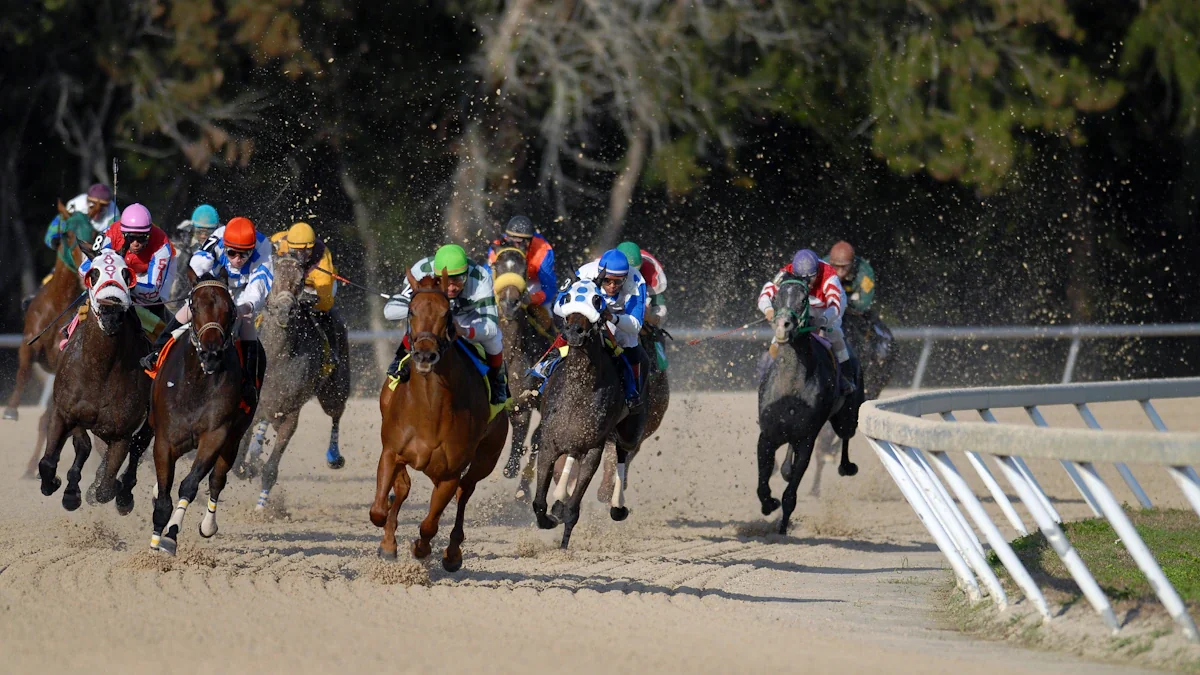
On 4 June 1913, suffragette Emily Wilding Davison stepped onto the Epsom Derby course and was struck by Anmer, King George V’s horse. She died four days later, on 8 June 1913, and the incident became one of the most discussed moments in the history of the women’s suffrage movement in Britain.
The date matters because it sits at the meeting point of protest, publicity, state power, public grief and later interpretation. The basic facts are well established. Davison was a militant suffragette associated with the Women’s Social and Political Union. She entered the racecourse during one of Britain’s most visible sporting events. What remains debated is exactly what she intended to do when she moved towards the horse.
The 4 June 1913 Derby Incident
The Epsom Derby was not a quiet local race. It was a national spectacle, attended by large crowds and closely covered by the press. That visibility is central to why the incident has remained in public memory for more than a century.
During the race, Davison moved onto the track as the horses rounded Tattenham Corner. Anmer, owned by King George V, collided with her. The jockey, Herbert Jones, was also injured. Davison was taken from the course and died in hospital on 8 June.
UK Parliament’s historical material identifies Davison as a suffragette linked to the 1913 Epsom Derby incident. Encyclopaedia Britannica also records that she was struck by King George V’s horse and died days later in June 1913. Those facts provide the secure base for the story.
The caution comes with the next question: why did she step onto the course? Some accounts have described her as intending martyrdom. Others argue that she may have meant to attach a suffragette banner or colours to the King’s horse, creating a powerful public image rather than seeking death. The available evidence does not allow a simple, definitive answer.
A Short Timeline From Derby Day to Public Mourning
- 4 June 1913: Emily Wilding Davison enters the course during the Epsom Derby and is struck by Anmer.
- 8 June 1913: Davison dies from her injuries.
- June 1913: Her funeral and public commemorations make the incident a major moment in suffrage memory.
- 1918: The Representation of the People Act gives some women in Britain the parliamentary vote.
- 1928: Equal voting rights are extended to women and men on the same age basis.
This timeline matters because Davison’s death did not immediately deliver equal suffrage. It became part of a longer political struggle that included legal campaigning, direct action, imprisonment, hunger strikes, public debate and parliamentary change.
How Davison Fits Into the Suffrage Movement
Emily Wilding Davison was part of the wider campaign for women’s suffrage, a movement that included many organisations, strategies and levels of risk. The Women’s Social and Political Union, associated with the slogan ‘Deeds not words’, became known for militant tactics after years of political frustration.
The WSPU’s approach was controversial in its own time. Supporters argued that disruptive action forced politicians and newspapers to confront women’s exclusion from the vote. Critics argued that militancy hardened opposition and overshadowed constitutional campaigners.
Davison’s own record before Epsom included repeated activism and imprisonment. Her actions placed her among those suffragettes who accepted personal danger as part of political protest. That does not mean every later interpretation of the Derby incident is equally secure. It does mean the event cannot be understood apart from the pressures, risks and confrontations of the suffrage campaign.
Why the King’s Horse Changed the Meaning
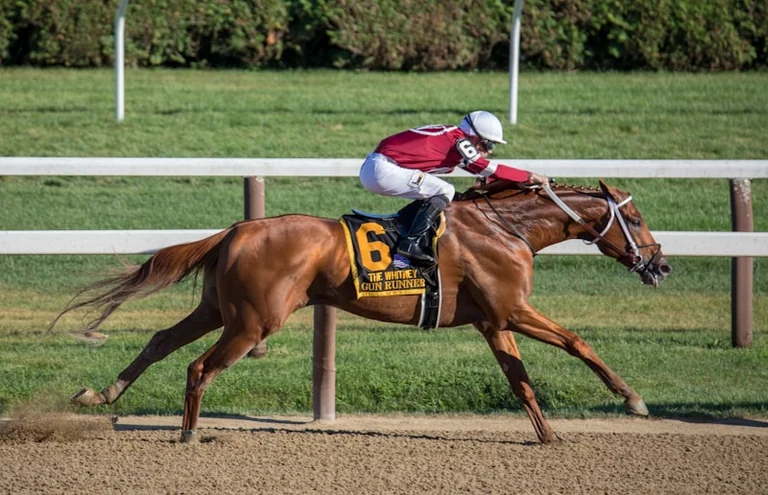
Anmer’s ownership by King George V gave the collision an immediate symbolic charge. The incident was not simply a protest at a racecourse. It occurred in front of a mass audience and involved a horse owned by the monarch at a time when women still lacked equal political rights.
That symbolism helps explain why the event has been remembered so strongly. It also helps explain why interpretations have often run ahead of the evidence. A dramatic image can become a shorthand for a movement, even when historians must keep several possibilities open.
What Is Known and What Is Still Debated
The known facts are clear enough to establish why the anniversary matters. Davison was a suffragette. She entered the Epsom Derby course on 4 June 1913. She was struck by Anmer, King George V’s horse. She died on 8 June. Her death became part of suffrage history and public memory.
The debated part is intention. The question is not whether Davison acted politically; her suffragette commitments are central to the event. The question is whether she intended to die, intended to stop the race, intended to attach colours or a banner, or acted with a plan that cannot now be fully reconstructed.
Careful accounts avoid stating suicide as fact unless they attribute that interpretation to a source or a later commentator. The historical record leaves room for uncertainty. That uncertainty is not a weakness in the story. It is part of responsible historical reading.
Why Later Memory Can Flatten the Past
Public memory often prefers a simple version: a single person, a single act, a single meaning. The suffrage movement was more complicated. It included working women, middle-class campaigners, regional organisers, constitutional suffragists, militant suffragettes, political allies and opponents.
Davison’s death became a powerful symbol because it condensed many tensions into one moment. It showed the visibility of protest, the risks activists took, the hostility they faced and the difficulty of controlling how an action would be read after the fact.
Why 4 June Still Matters in UK History
The anniversary matters because it asks a live civic question: how should societies remember disruptive protest? Davison’s action is not remembered only because it was shocking at the time. It is remembered because it raises questions about political voice, public attention and the cost of being ignored.
Modern readers do not need to approve every suffragette tactic to understand why the movement used disruption. The vote was not a symbolic favour. It was a claim to citizenship, representation and legal equality. The struggle over tactics was also a struggle over whether women’s demands could be safely ignored.
That is why the 4 June anniversary remains more than a date in a timeline. It is a reminder that democratic rights often look settled only after the conflict has passed. The arguments that surrounded suffrage, including who deserved a political voice and how far protest should go, still echo in debates about public order and civil rights.
The Next Milestone in the Story
The next verifiable date after the Derby incident is 8 June 1913, when Emily Wilding Davison died from her injuries. Her funeral followed later that month and became a public suffrage event.
The longer milestone came in 1918, when some women won the parliamentary vote under the Representation of the People Act. Equal voting rights with men came in 1928. Those dates place 4 June in its proper setting: not as the whole story of women’s suffrage, but as one of its most enduring and contested public moments.
Source: UK Parliament
Context & actions About this article
Source check Source context
This article separates established facts about the 1913 Epsom Derby incident from later debate about Emily Wilding Davison's intention.
- UK Parliament's historical material identifies Davison as a suffragette linked to the Derb...
- Encyclopaedia Britannica records that Davison was struck by King George V's horse and died...
- Dates are given explicitly where they affect the historical sequence.
- Source
- UK Parliament
- Scope
- United Kingdom
- Updated
- 2026-06-04 07:03
Source check
Report a trust issue
Send a clear signal to community moderation if the source, facts or context need review.



Comments