
Why June 16 Became Bloomsday for Joyce Readers
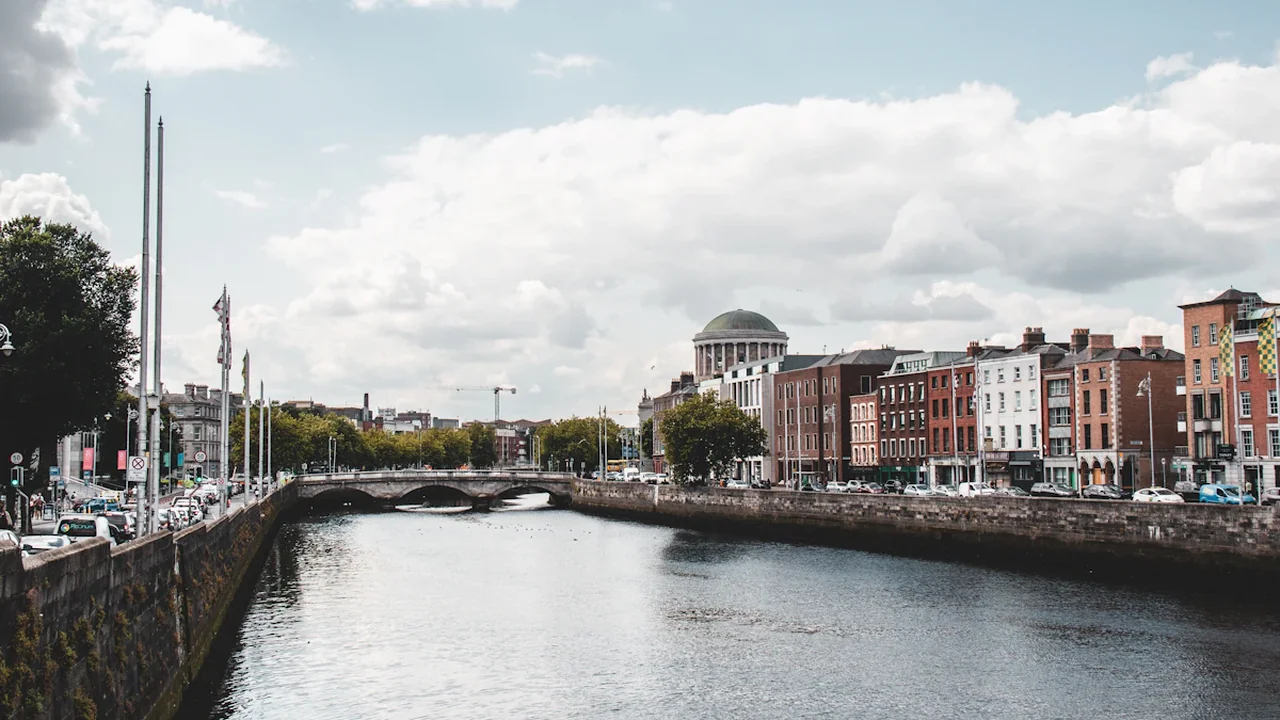
June 16 is remembered as Bloomsday because it is the single day on which James Joyce set the action of Ulysses. The date now matters far beyond Dublin: readers, libraries, universities and literary groups in the UK use it to revisit how one novel turned an ordinary day of walking, talking and remembering into a modern cultural ritual.
Bloomsday Marks One Fictional Day in Dublin
Bloomsday takes its name from Leopold Bloom, one of the central figures in Joyce’s Ulysses. The novel follows Bloom, Stephen Dedalus and Molly Bloom through Dublin on June 16, 1904, turning streets, pubs, homes, newspapers, churches and private thoughts into the architecture of a book.
That date was not chosen at random in Joyce’s life. It became personally associated with his relationship with Nora Barnacle, and later became the calendar point on which readers could return to the city imagined in Ulysses. The result is unusual: a literary anniversary tied not to publication, birth or death, but to the internal time of a novel.
The British Library identifies Joyce’s work as historically and culturally significant, and Ulysses remains central to that reputation. Its difficulty is famous, but so is its influence. The book helped reshape ideas about narrative voice, interior thought, urban experience and what everyday life could mean in serious fiction.
Why Ulysses Still Shapes Modern Cultural Memory
Ulysses is often described as a modernist landmark because it asks readers to experience a day from the inside as much as from the outside. Its characters move through a real city, yet the book continually shifts style, rhythm and point of view. That makes Dublin both a map and a mental landscape.
Bloomsday keeps that experiment visible. Instead of treating the novel only as a difficult object for classrooms, the date invites public reading, performance, walking routes, discussion and costume. The act of marking June 16 turns interpretation into something social.
This is why Bloomsday has survived as more than a specialist literary anniversary. It links scholarship, tourism, Irish cultural identity, theatre, publishing, libraries and local reading communities. A reader can approach it through close study, a public recital, a city walk or a first encounter with a single episode.
The day also shows how cultural memory is made. A novel enters institutions such as libraries and universities, but it also enters streets, calendars and informal rituals. Bloomsday works because it gives readers a repeatable date, a named character and a shared route back into a demanding book.
London and the UK Literary Scene Keep the Date in Circulation
Dublin remains the symbolic centre of Bloomsday, but the date has a clear place in the UK literary calendar. In London and other UK cities, the anniversary is commonly marked by readings, bookshop events, academic talks, theatre pieces, walking discussions and Irish cultural programming.
The UK connection is not incidental. Joyce lived much of his adult life outside Ireland, and Ulysses has long been read, published, debated and taught across Britain. London literary audiences often approach Bloomsday through a mix of performance and criticism: part celebration, part public lesson in modernism.
For readers in the UK, the most useful way into Bloomsday is often practical rather than ceremonial:
- Read one episode of Ulysses instead of trying to finish the whole novel at once.
- Look for public readings hosted by libraries, universities, bookshops or Irish cultural organisations.
- Compare a Dublin map with the routes taken by Bloom and Stephen in the novel.
- Use British Library material as context for Joyce’s place in literary history.
This matters because Bloomsday can otherwise seem like an inside joke for Joyce specialists. Its better purpose is broader: it gives readers a way to understand why a book about a single day can still organise public attention more than a century later.
The Significance of June 16 Is Both Local and International
At its most local, Bloomsday belongs to Dublin. The city is not a backdrop in Ulysses; it is part of the novel’s method. Joyce’s attention to street names, shops, food, newspapers, voices and social habits helped make the city legible as literature.
At the same time, Bloomsday is international because the questions raised by Ulysses travel well. How does a city shape private life? How much meaning can be found in an ordinary day? What happens when a novel refuses to separate memory, politics, desire, humour and routine?
Those questions explain why the anniversary remains useful in 2026. It is not only a tribute to Joyce. It is a yearly reminder that cultural history is often carried by repeated public acts: reading aloud, walking a route, teaching a text, opening an archive, or gathering around a book that still resists easy summary.
How to Approach Bloomsday Without Prior Expertise
A first-time reader does not need to master every allusion in Ulysses to understand why Bloomsday matters. The day can be approached through one clear idea: Joyce made the ordinary dense with meaning.
Start with the date, the city and the characters. Then notice the scale of the experiment. Ulysses compresses public life and private consciousness into one day, making June 16 feel larger than its calendar space. That is the source of Bloomsday’s staying power.
For UK readers, the next useful check is local: look at programmes from libraries, bookshops, universities and Irish cultural venues around June 16 each year. The most valuable events are usually those that make the text easier to hear, map or discuss, rather than those that assume the audience already knows the novel well.
Source: British Library
Context & actions About this article
Source check Source context
This explainer uses British Library context on the historical and cultural significance of James Joyce's work, with June 16 treated as the fixed Bloomsday date.
- British Library context on James Joyce and modern literary history
- Bloomsday date linked to the events of Ulysses
- UK angle limited to general literary and cultural programming
- Source
- British Library
- Scope
- United Kingdom and Dublin
- Updated
- 2026-06-16 07:32
Source check
Report a trust issue
Send a clear signal to community moderation if the source, facts or context need review.




Comments