
Cambridge care home residents avoid more hospital stays
By the Beehiveweb.co.uk Health Desk | Based on Cambridge University Hospitals reporting and research published in Age and Ageing.
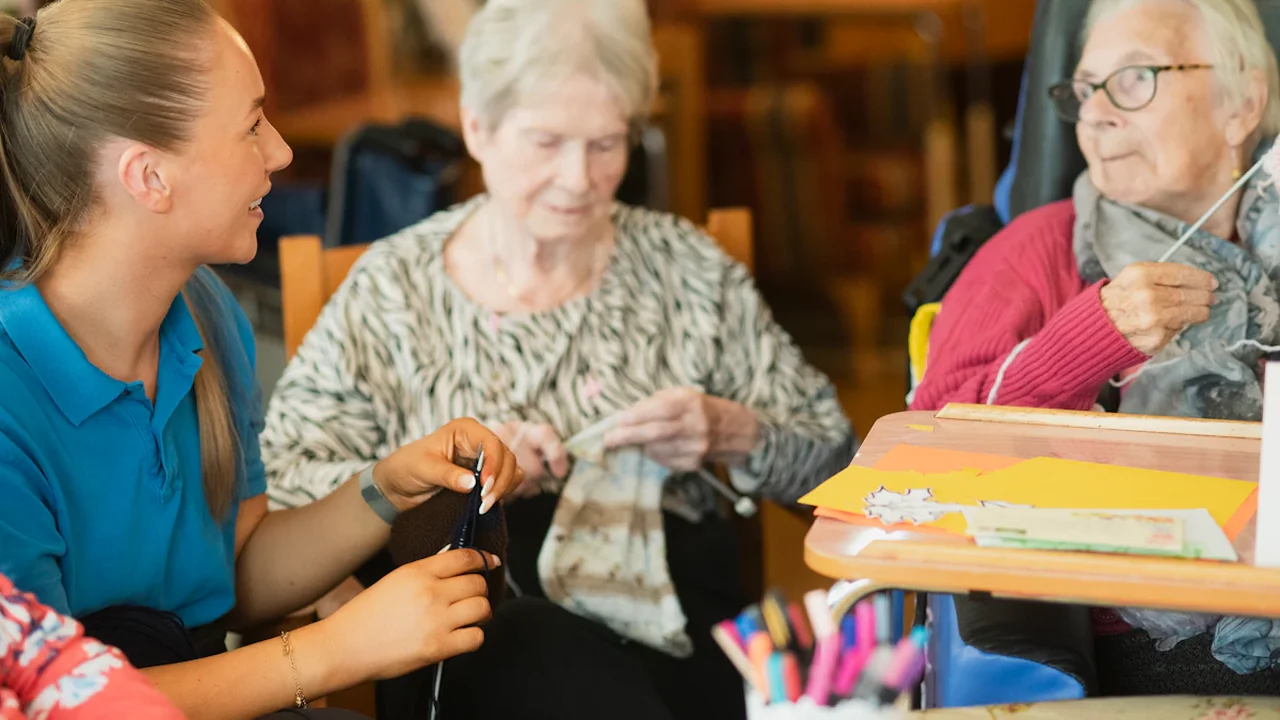
Frail residents in Cambridge care homes are receiving specialist geriatric care without leaving familiar surroundings, and an evaluation suggests the approach is preventing many hospital admissions. The Enhanced Reviews in Care Homes service, known as EnRICH, was associated with a 23% fall in admissions and a 32% reduction in the length of hospital stays.
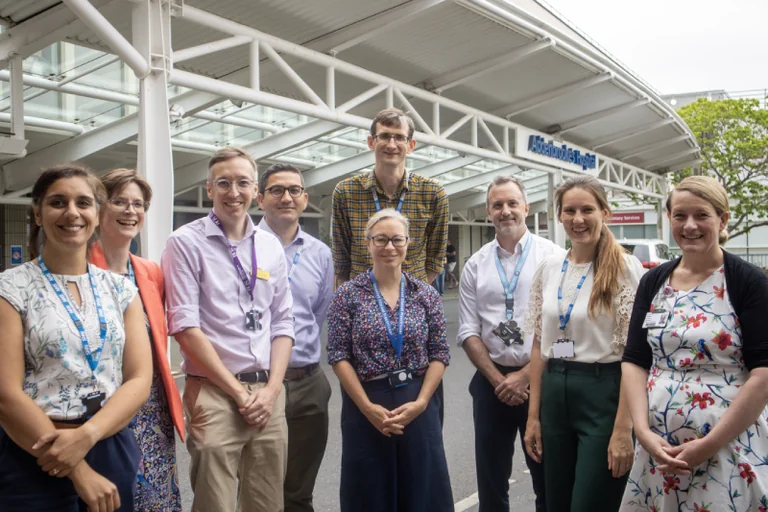
Developed by clinicians at Cambridge University Hospitals NHS Foundation Trust, the service brings Addenbrooke’s Hospital geriatricians into care homes. Its aim is to identify problems earlier, support existing community teams and establish care plans before residents become unwell enough to require hospital treatment.
Familiar care made a measurable difference for one family
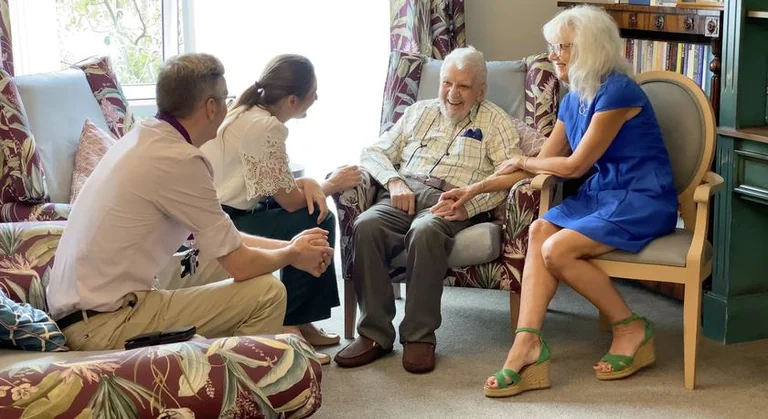
Alice Craske’s 96-year-old father, Clifford, lives at Heathlands House in Cambridge. He has dementia, heart failure, diabetes, chronic obstructive pulmonary disease and a history of stroke.
Clifford went to hospital three times during the year before EnRICH began working with the home. Since the service was introduced, his care has been managed at Heathlands House with advice and support from hospital geriatricians, and he has not needed another admission.
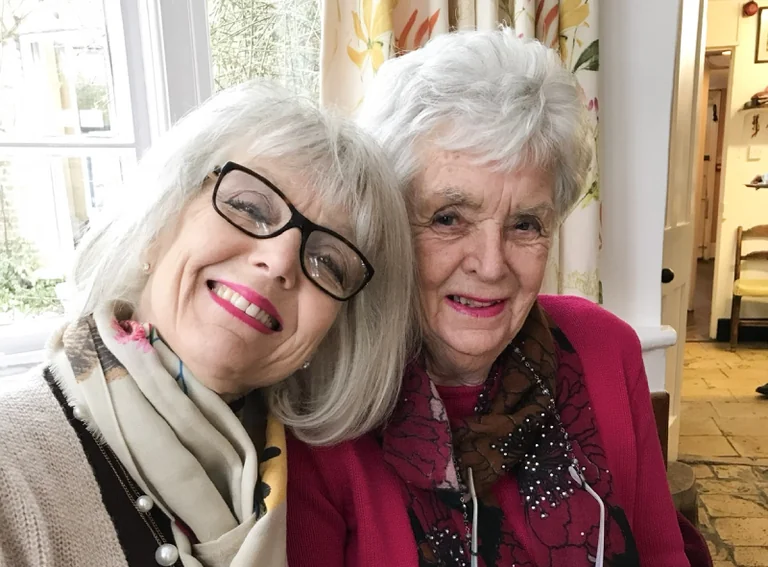
Alice, a retired nurse, said the arrangement had reassured her family because her father could remain settled and stable while still receiving specialist input. The service also supported her mother, Pam Craske, who lived at the same home before her death in September 2025.
When Pam was admitted to Addenbrooke’s shortly before she died, geriatrician Dr Catriona Love was waiting in the emergency department. Alice said seeing a familiar clinician made the experience less frightening and provided continuity while her mother underwent tests before being transferred to a hospice.
Eleven care homes recorded fewer and shorter admissions
The evaluation examined EnRICH’s effect across 11 Cambridgeshire care homes for more than 12 months. Researchers analysed over 6,000 emergency department attendances and found that hospital admissions fell by 23% after the service started.
For residents who were admitted, the average stay was almost three days shorter, representing a 32% reduction. Cambridge University Hospitals estimates that the service saves approximately 1,300 inpatient bed days each year, with an estimated annual saving of £700,000.
Benefits began to emerge after about three months, according to the research. That delay indicates that results depended partly on geriatricians, GPs, community nurses, pharmacists and care home staff developing working relationships and shared knowledge of residents’ needs.
The findings describe changes observed after EnRICH was introduced. The supplied report does not detail a randomised comparison group or provide confidence intervals, so the figures support an association between the service and reduced hospital use rather than proving that every prevented admission resulted from EnRICH alone.
Hospital specialists assess residents inside their care homes
EnRICH supplements existing primary and community care instead of replacing it. Hospital geriatricians conduct regular assessments, help families and staff plan care, and provide rapid clinical support when a resident becomes unwell.
The same specialists can continue caring for a resident if admission to Addenbrooke’s becomes necessary. That continuity is particularly relevant for people living with dementia, frailty or several chronic conditions, for whom an unfamiliar acute hospital environment may be distressing and can increase vulnerability to physical or cognitive decline.
Heathlands House, which provides residential, nursing, dementia, respite and end-of-life care for 64 people, joined EnRICH in October 2024. Manager Razvan Stanbeca said the specialist input had increased staff confidence and strengthened the care they could provide within the home.
Fifteen Cambridgeshire homes now receive the service
Cambridge University Hospitals developed EnRICH against a backdrop of growing demand. Cambridge’s population increased by 18% over the past decade, compared with 6% nationally, and is projected to grow by 60% by 2040. Across the East of England, people aged over 75 are expected to be the fastest-growing age group.
Care home residents account for about 1% of the population but 8% of hospital admissions, according to the source. Consultant geriatrician Dr Matthew Butler said proactive assessments and conversations with residents and families allow teams to put plans in place before hospital treatment is required.
Following its initial results, EnRICH has expanded to 15 Cambridgeshire care homes with the highest frequency of hospital admissions. The expanded service is funded by NHS Central East Integrated Care Board.
Source: Cambridge University Hospitals News
Context & actions About this article
Source check How we checked this
The figures and patient experiences were checked against Cambridge University Hospitals reporting on the published EnRICH evaluation.
- Confirmed the reported 23% reduction in admissions and 32% reduction in length of stay.
- Checked that the evaluation covered 11 Cambridgeshire care homes and more than 6,000 emerg...
- Kept the experiences of Clifford, Pam and Alice Craske clearly attributed to the family an...
- Distinguished the observed results from causal certainty not established in the supplied r...
- Source
- Cambridge University Hospitals News
- Scope
- Cambridge
- Updated
- 2026-07-31 13:29
Source check
Report a trust issue
Send a clear signal to community moderation if the source, facts or context need review.



Comments