
Cambridge hub targets faster, more human-focused drug testing
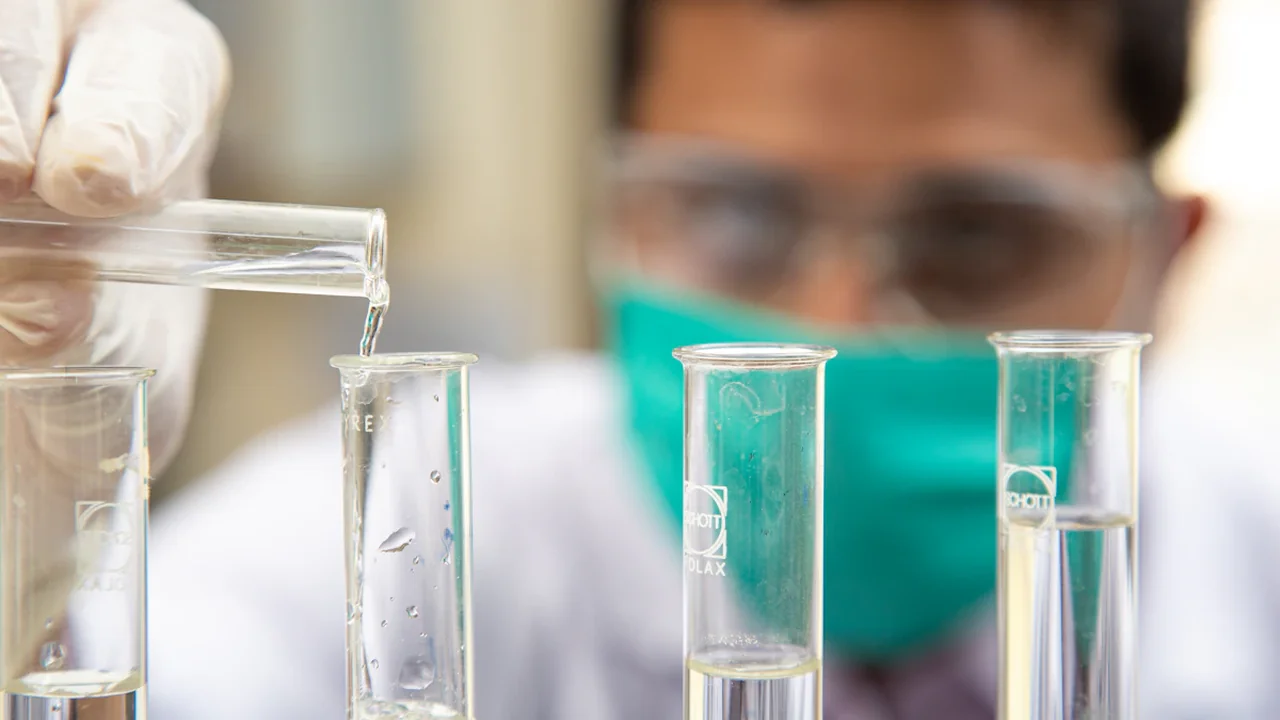
Patients could ultimately benefit from medicines being tested earlier in laboratory models built from human cells, under a new £20 million Medical Research Council investment led by the University of Cambridge.
The UK Pre-clinical Translational Models Hub will combine stem-cell science, patient-derived organoids, bioengineering and artificial intelligence to make early drug testing more predictive of what may happen in people. Its work is intended to help researchers identify promising treatments sooner, while reducing the time, cost and reliance on animal models in medicine development.
Based at the Cambridge Stem Cell Institute on the Cambridge Biomedical Campus, the hub will work with hospitals, research institutes and industry partners across the UK.
Human tissue models could sharpen early treatment testing
Every prospective medicine must be assessed for safety and effectiveness before it reaches patients. Current pre-clinical research still relies heavily on animal models, but treatments that appear promising in animals can later fail in human trials.
The new hub will develop and validate human-based alternatives. These include organoids: miniature, simplified versions of human tissues grown in the laboratory from cells. Patient-derived organoids can retain biological features of the person who provided the sample, allowing researchers to study aspects of disease and assess potential treatments in a model closer to human biology.
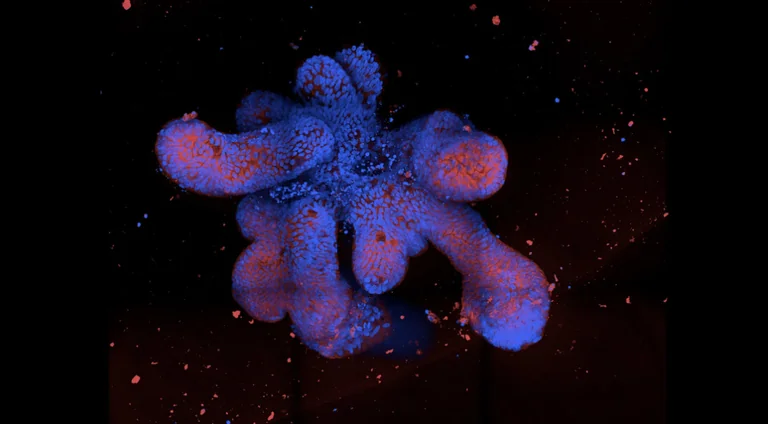
AI and computational methods will be used alongside those experimental systems. The aim is not simply to create new models, but to establish that they are reproducible, scalable and reliable enough for researchers, clinicians, regulators and companies to use in drug-development decisions.
A national platform led from the Cambridge Biomedical Campus
Professor Matthias Zilbauer and Professor Bertie Göttgens of the Cambridge Stem Cell Institute will lead the UK Pre-clinical Translational Models Hub. The programme will bring together academic, NHS and industry partners, including Cambridge University Hospitals, Royal Papworth Hospital, the Wellcome Sanger Institute and the MRC Laboratory of Molecular Biology.
Zilbauer has developed a biobank of more than 1,000 patient-derived organoid lines through his research into paediatric inflammatory bowel diseases. The collection illustrates the type of patient-linked material the hub can build on to investigate disease mechanisms and test possible therapies before clinical trials.
The hub will sit near NHS partners as well as major life-sciences organisations on the Cambridge Biomedical Campus, including AstraZeneca’s Discovery Centre and GSK’s Clinical Unit. That proximity is designed to support the translation of laboratory findings into technologies that can be adopted more widely.
Validation is the next hurdle for organoids and AI models
Organoid and stem-cell-derived systems have already changed many areas of biomedical research, but broader use in medicine development depends on consistent standards. The hub’s stated next task is to turn promising human-based models into validated, industry-ready platforms that can be accessed across the UK.
Göttgens said the combination of stem-cell biology, organoid technology and artificial intelligence should accelerate the development of next-generation human disease models. Science Minister Chris McDonald said the programme could help scientists identify earlier which treatments are more likely to work in people.
The investment does not mean animal testing will immediately disappear. Its practical focus is building the evidence, benchmarking and infrastructure needed for human-based models to play a larger role before potential medicines reach patients.
Source: University of Cambridge Research News
Context & actions About this article
Source check Source trail
This report is based on the University of Cambridge Research News account of the MRC-funded hub and its named research partners.
- Confirmed the £20 million MRC investment stated in the source.
- Checked the named hub leaders: Professors Matthias Zilbauer and Bertie Göttgens.
- Checked that the hub will develop human-based pre-clinical models, including organoids, al...
- Checked the Cambridge Biomedical Campus partnerships and facilities described by the sourc...
- Source
- University of Cambridge Research News
- Scope
- Cambridge
- Updated
- 2026-08-12 16:24
Source check
Report a trust issue
Send a clear signal to community moderation if the source, facts or context need review.



Comments