
Chester residents fined over waste disposal failures
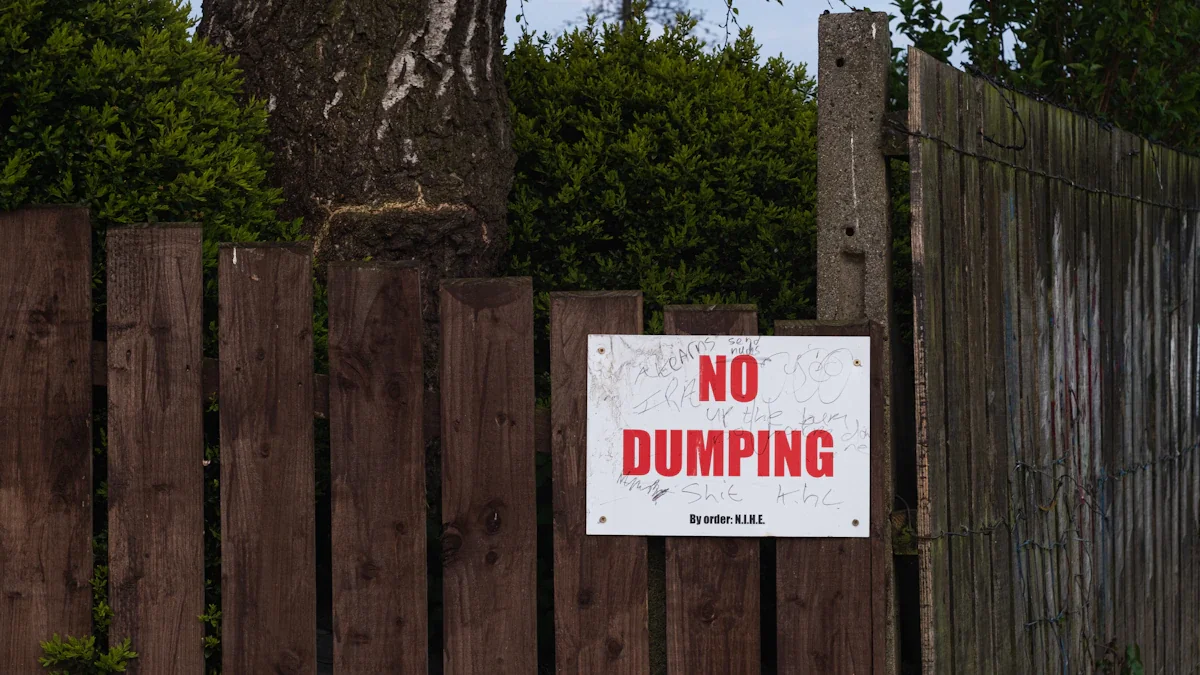
Two Chester residents have been fined after admitting they failed to make sure household waste was removed and disposed of legally.
Gavin Roebuck, 38, of Fairford Road, Chester, and Nicola Ray, 36, of Meynell Place, Blacon, were both sentenced at court on 20 May 2026 after pleading guilty to waste duty of care offences.
The cases underline a risk for householders who pay someone to take rubbish away but cannot show who handled it, where it went, or whether the person was authorised to carry waste. Under the Environmental Protection Act 1990, residents remain responsible for taking reasonable checks before their waste leaves their property.
£440 penalties after guilty pleas
Both defendants breached their legal duty of care in relation to household waste, contrary to Section 34 of the Environmental Protection Act 1990.
Nicola Ray told the court she had paid £100 for waste to be removed but was unable to provide further details about the company involved. She was fined £100 and ordered to pay £300 in costs and a £40 victim surcharge.
Gavin Roebuck also said he had paid £100 to a third party to remove waste but could not provide further details. He received the same sentence: a £100 fine, £300 in costs and a £40 victim surcharge.
The total court bill for each defendant was therefore £440, on top of the money they said they had already paid for the waste collection.
Checks householders are expected to make
The duty of care rules are designed to stop domestic rubbish being passed to people who may dump it illegally. If waste is fly-tipped after being collected, investigators may look at whether the original householder took reasonable steps before handing it over.

Cheshire West and Chester Council said residents should check that anyone removing their waste is a registered waste carrier, ask where the waste will be taken, and keep a record or receipt for the transaction.
Those records can matter if bags, boxes or other items are later found dumped. A name, registration detail, receipt, vehicle information or written message can help show that a resident made proper checks. Without that trail, the person who paid for the removal may struggle to prove they acted responsibly.
The Chester cases sit alongside wider council enforcement against waste crime, including prosecutions and penalties where dumped rubbish affects streets, land, recycling areas and local communities. Beehive Web has also reported on fly-tipping fines at recycling banks, where enforcement action followed evidence gathered by a local authority.
Council investigation led to prosecution
The offences in Chester were identified after investigations by Cheshire West and Chester Council’s Public Protection service. The cases were then prosecuted by the Council’s legal team.
According to the council, both defendants were given the opportunity to engage with investigators but chose not to do so. They also failed to pay the fixed penalty notices issued to them before the matters reached court.
The council said suspected fly-tipping can be reported through its website. Its enforcement position is that prosecution may follow where there is sufficient evidence that a householder’s duty of care has not been met.
For residents arranging a clearance, the practical test is straightforward: do not rely only on a cash price or a casual promise. Ask who is taking the waste, confirm they are authorised, ask where it will be taken, and keep evidence of the arrangement before anything is loaded and driven away.
Source: Cheshire West and Chester Council
Context & actions About this article
Source check Source trail
This report was written from Cheshire West and Chester Council’s published account of the prosecutions and sentencing details.
- Checked the named defendants, ages and Chester addresses against the source item.
- Checked the sentencing date of 20 May 2026 and the fines, costs and victim surcharge figur...
- Checked the stated offence against Section 34 of the Environmental Protection Act 1990.
- Separated council guidance for residents from the court outcome.
- Source
- Cheshire West and Chester Council
- Scope
- Chester
- Updated
- 2026-05-27 17:21
Source check
Report a trust issue
Send a clear signal to community moderation if the source, facts or context need review.




Comments