
How to Outsmart AI Scammers: Lessons from a Community Crackdown
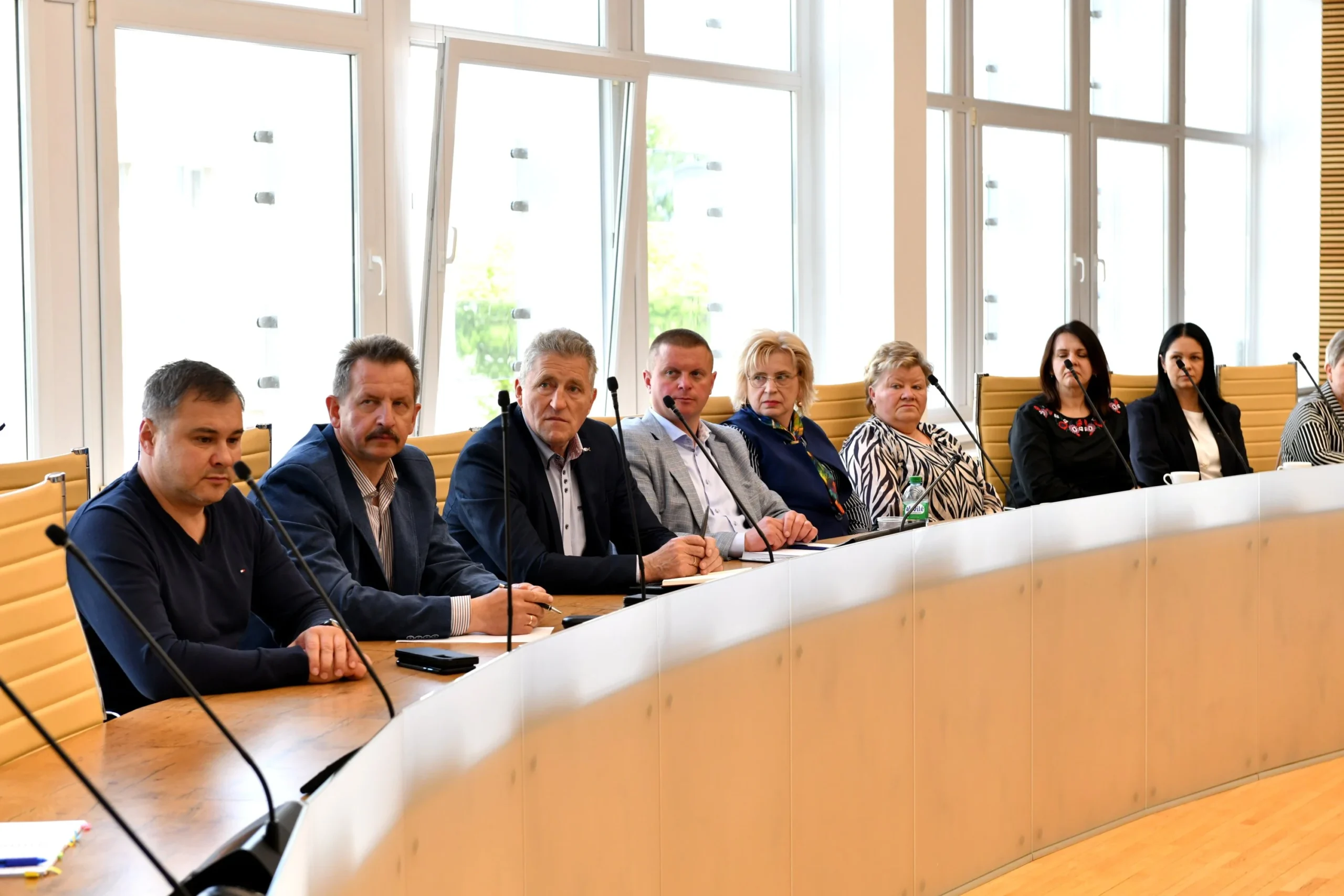
The digital landscape is shifting rapidly, and with it, the tactics used by sophisticated fraudsters. From deepfake voice technology to highly convincing cloned websites, the tools available to criminals have evolved far beyond the simple ‘Nigerian Prince’ emails of the past. A recent high-level briefing in Šalčininkai, Lithuania, involving regional prosecutors and local officials, has highlighted a growing trend: the weaponization of artificial intelligence and psychological manipulation to target the most vulnerable members of society.
While this specific initiative took place in Eastern Europe, the methods discussed are part of a global surge in cyber-enabled crime. For residents in the UK and beyond, the lessons from this community-led prevention effort offer a vital blueprint for protecting personal finances and elderly relatives from increasingly convincing scams.
Recognizing the New Face of Digital Deception
Modern scammers no longer rely solely on luck; they utilize highly organized structures to coordinate their attacks. Prosecutors at the Šalčininkai meeting noted that criminals are increasingly using artificial intelligence to create realistic interactions. This can include AI-generated text that mimics the formal tone of a bank or even voice-cloning technology used in ’emergency’ calls to relatives.
One of the most prevalent methods remains the ‘romance scam’ or ‘investment trap.’ These are not impulsive crimes but long-term psychological operations. Fraudsters build trust over weeks or months, often using stolen social media data to tailor their approach to the victim’s interests. Whether it is a promise of high-return cryptocurrency investments or a fabricated romantic connection, the goal is the same: to create a state of emotional urgency that bypasses the victim’s critical thinking.

The Psychology of the Scam: Why We Fall for It
Experts emphasize that the greatest enemy of the public is not a lack of technical knowledge, but rather stress and misplaced trust. Scammers are masters of ‘social engineering’—the art of manipulating people into performing actions or divesting confidential information. By creating a sense of panic (such as a ‘frozen’ bank account) or extreme excitement (an unexpected inheritance), they force victims to act before they can verify the claims.
In the Lithuanian context, prosecutors pointed out that communication in a non-state language is often a primary red flag. For UK residents, this translates to spotting subtle anomalies in communication: a ‘bank representative’ who uses overly casual language, an ‘official’ email sent from a generic domain like @gmail.com or @outlook.com, or a sense of urgency that discourages you from hanging up to call back on an official number.
Practical Steps to Verify Identity and Secure Your Data
Prevention is significantly more effective than attempting to recover funds after they have left an account. To stay safe, experts recommend a ‘verify-first’ mentality. If you receive a suspicious link via SMS or email, do not click it. Instead, manually type the official web address of the institution into your browser.

Furthermore, it is essential to remember that government agencies and legitimate banks will never ask you to provide your full PIN, password, or to transfer money to a ‘safe account.’ In Lithuania, officials reminded residents that state employees never visit homes to collect cash—a tactic still used by ‘courier fraudsters’ globally.
Another technical tip involves checking the domain extension. While Lithuanian residents are told to look for “.lt,” UK users should be wary of any government-themed site that does not end in “.gov.uk.” Scammers often buy “.com” or “.net” domains that look nearly identical to official portals to harvest login credentials.
Building Community Resilience
The most powerful tool against fraud is open communication. Many victims choose not to report crimes due to a sense of shame or embarrassment, which only allows the scammers to continue their operations undetected. By discussing these tactics within families and community groups, we can strip away the power of the scammer’s secrecy.

If you or a family member has been targeted, it is vital to contact authorities immediately. In the UK, this means reporting to Action Fraud. Even if no money was lost, reporting the attempt helps law enforcement track the evolving tactics of these organized groups. Remember: if an offer seems too good to be true, it almost certainly is. In the world of digital finance, the only ‘free cheese’ is found in a mousetrap.
Original reporting by: salcininkai
Source: Salcininkai savivaldybė




Comments