
Kaunas Public Transport: New Rules for Assistance Dogs and Pets: what residents need to know
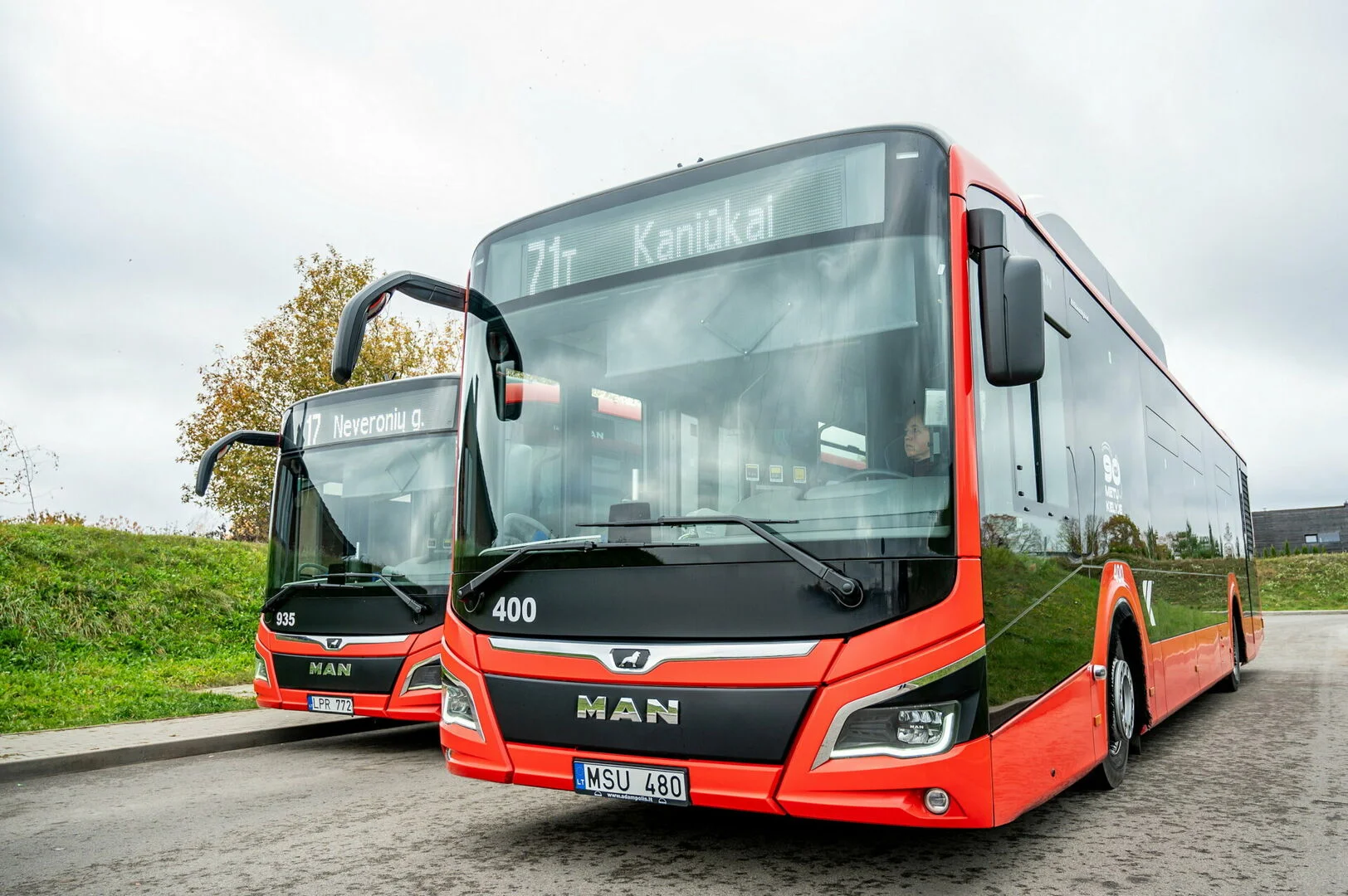
Kaunas, Lithuania’s second-largest city, is overhauling its public transport regulations to create a more inclusive environment for passengers traveling with animals. While pet-friendly policies were introduced earlier this year, a significant legislative update recently approved by the City Council marks a major step forward for accessibility. By 2026, the city will officially recognize a much broader range of assistance dogs, moving beyond traditional guide dogs to support a wider spectrum of disabilities.
This shift reflects a growing trend across European municipalities to align urban transit with modern social needs. For residents and visitors in Kaunas, these changes mean clearer rights, though they also come with specific responsibilities regarding safety, documentation, and timing.
New Rights for Assistance Dogs and Their Trainers
The most significant change approved by the Kaunas City Council concerns the legal definition of service animals. Currently, many regulations focus specifically on guide dogs for the visually impaired. However, starting June 1, 2026, the wording of the city’s transport rules will be expanded to cover all persons with disabilities who rely on a certified assistance dog.
Under these updated provisions, any individual with a disability has the right to travel on Kaunas buses and trolleybuses with their assistance dog, provided they carry the necessary documentation (or a copy) confirming the animal’s status. Crucially, this right is also extended to assistance dog trainers. During the practical training phase, a trainer traveling with a ‘student’ dog is permitted on public transport, provided they have the relevant certification for the animal in training.
These service animals are exempt from the standard restrictions applied to pets. They are not required to wear muzzles if their service status precludes it, and they do not incur extra fees. However, the rules remain firm on one point: assistance dogs are not permitted to occupy passenger seats and must remain on the floor of the vehicle.
Traveling with Pets: Current Rules and Restrictions
While the expanded assistance dog rules are a future implementation, Kaunas already has a framework in place for general pet owners. Since January 2024, passengers have been allowed to transport dogs without a carrier or crate, provided they follow a strict set of ‘good neighbor’ guidelines designed to ensure the comfort of all commuters.
If you are traveling with a pet in Kaunas, you must adhere to the following requirements:
- Leash and Muzzle: Dogs must be kept on a leash no longer than half a meter. They must also wear a muzzle, with the exception of specific breeds where a muzzle is physically impossible or unsafe to fit.
- Documentation: Owners must carry a valid pet vaccination passport at all times during the journey.
- Off-Peak Only: To prevent overcrowding and stress for both animals and passengers, pets are barred from public transport during peak hours. On weekdays, dogs are not allowed on vehicles between 07:00–09:00 and 17:00–19:00.
- Cleanliness: The responsibility for any mess lies solely with the owner. If an animal soils the vehicle, the owner is legally required to clean the area immediately.
A Shift Toward Inclusive Urban Mobility
The transition from a narrow focus on guide dogs to a broader ‘assistance dog’ category represents a move toward a more inclusive urban infrastructure. This change acknowledges that assistance dogs provide vital support for various conditions, including hearing impairments, mobility issues, and certain psychological conditions.
By providing a long lead time—until mid-2026—for the assistance dog amendments, the city aims to allow transport operators and the public to adjust to the new standards. For the international community and the Lithuanian diaspora, these updates signal that Kaunas is modernizing its services to match Western European standards of accessibility, making the city more navigable for everyone, regardless of their physical needs.
Source: BNS




Comments