
Lithuania Alcohol and Tobacco Report: New Data on Health and Prices
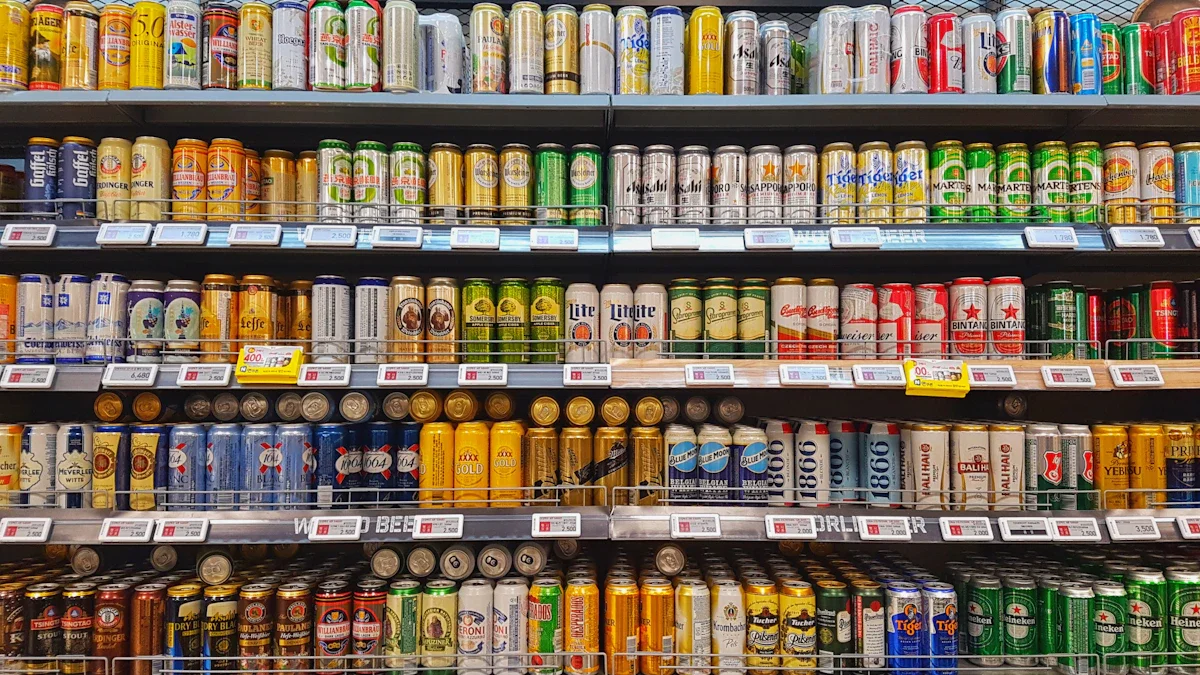
On May 29, Lithuania’s State Data Agency will host its “Statistics Coffee Morning” to unveil the 2025 national report on alcohol and tobacco consumption. This comprehensive briefing aims to provide a data-driven snapshot of how the nation’s habits are evolving, the economic shifts in production and trade, and the direct consequences these substances have on public health and mortality rates.
The upcoming presentation, led by Dr. Jūratė Petrauskienė, Director General of the State Data Agency, will go beyond simple sales figures. It is expected to detail the intricate relationship between market availability, pricing fluctuations, and the long-term health outcomes of the Lithuanian population. Experts from the Hygiene Institute’s Health Information Centre will also provide critical analysis on how these consumption trends correlate with morbidity and mortality statistics.
Measuring the Impact of National Health Policies
Lithuania has long been a focal point for international health observers due to its aggressive legislative approach to curbing alcohol consumption. Following a period where the country was ranked among the highest consumers per capita globally by the World Health Organization (WHO), the Lithuanian government implemented a series of strict reforms in 2018. These included raising the legal drinking age to 20, shortening alcohol sale hours, and a total ban on alcohol advertising.
The 2025 data will serve as a vital progress report on these measures. For international observers and UK readers, the Lithuanian experience offers a case study in whether high-level state intervention can successfully decouple social culture from high-risk substance use. The report will specifically highlight:
- Consumption Trends: Whether the steady decline in legal sales observed over the last five years has continued or plateaued.
- Economic Indicators: Changes in the production, import, and export of tobacco and alcohol products, reflecting the industry’s adaptation to tighter regulations.
- Price Elasticity: How recent inflation and excise duty hikes have influenced consumer purchasing power and choice of products.
- Health Outcomes: The lag time between reduced consumption and improvements in alcohol-related diseases and mortality.
The Economic and Social Trade-off
While the health benefits of reduced consumption are the primary goal of the State Data Agency’s monitoring, the economic data provides a necessary counter-perspective. Alcohol and tobacco are significant contributors to the national budget through excise duties. However, the costs associated with healthcare for substance-related illnesses and the loss of productivity due to premature death often outweigh these tax gains.

The report will also likely touch upon the “shadow economy.” In any high-regulation environment, there is a risk of consumers turning to illicit markets or cross-border shopping—particularly in neighboring Latvia or Poland where prices and regulations may differ. Analysts will be looking to see if the legal sales data accurately reflects true consumption or if there is a growing gap accounted for by unrecorded trade.
Looking Toward Future Regulation
As the State Data Agency prepares to release these figures, the results will inevitably influence future political discourse. If the data shows a spike in youth consumption or a stagnation in health improvements, it may trigger calls for even more stringent controls or a total rethink of current educational campaigns.
For the UK, which is currently debating its own tobacco and alcohol strategies—including the proposed phased ban on smoking—the Lithuanian data provides a real-world dataset on the effectiveness of state-led prohibitionist policies versus harm reduction models. The briefing at Gediminas Ave. 29 in Vilnius will be the first step in determining if Lithuania’s “tough on health” stance is delivering the promised results for its citizens’ longevity.
Source: BNS


Comments