
Lithuania Aligns Battery Waste Laws with EU Standards
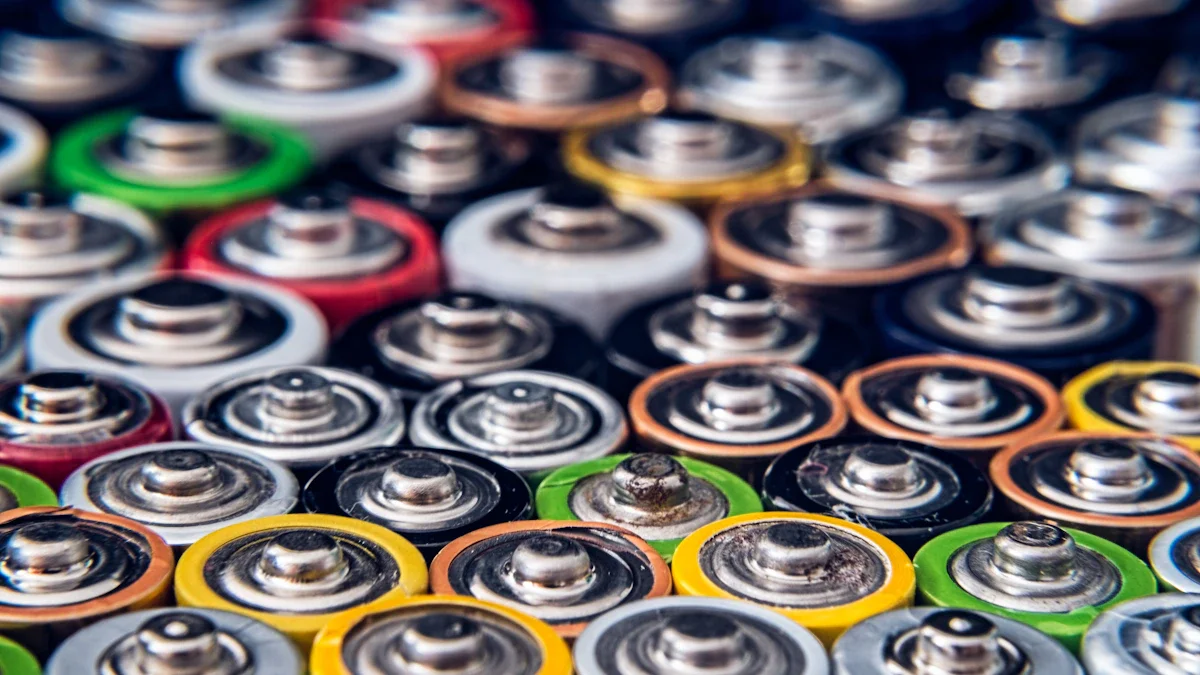
Lithuania is set to introduce stringent financial penalties for battery waste mismanagement, with fines reaching as high as €27,500 per ton for certain violations. This legislative shift, recently approved by the Seimas (Parliament) following a proposal from the Ministry of Environment, marks a transition from a general environmental pollution tax to a targeted fine-based system designed to ensure strict compliance with European Union regulations.
The new amendments to the Law on Waste Management and the Code of Administrative Offenses specifically target the collection and registration of portable and small transport vehicle batteries. By moving away from the previous tax model—which was deemed inconsistent with EU sanctioning principles—Lithuania is placing the financial burden directly on manufacturers who fail to meet recovery targets.
New Financial Penalties for Non-Compliance
The following table outlines the proposed fine structures for manufacturers and importers operating within the Lithuanian market:

| Violation Type | Penalty Range (per ton/instance) |
|---|---|
| Unregistered supply of batteries to the market | €13,750 – €27,500 |
| Failure to collect portable or small vehicle battery waste | €5,500 – €13,750 |
| Submission of incorrect accounting data | From €6,000 |
This shift ensures that the penalties are proportionate to the volume of waste that remains unmanaged, providing a clear economic incentive for companies to invest in robust collection infrastructure.
Collective Responsibility and EU Harmonization
Under the updated legal framework, battery manufacturers will be required to fulfill their obligations through collective responsibility organizations. This model streamlines the registration and accounting process, ensuring that the Ministry of Environment can maintain an accurate registry of all batteries entering the market. The legislation also clarifies the procedures for issuing, suspending, and revoking licenses for waste management organizations.

Beyond batteries, the amendments also incorporate updates to the EU Electronics Directive. This expansion means that manufacturers and importers of photovoltaic (solar) panels and other previously exempt electronic equipment will now be responsible for financing the end-of-life treatment of these products.
Streamlining International Waste Transport
Looking ahead, the legislation introduces simplified procedures for the cross-border transport of non-hazardous waste within the EU. Waste management facilities that have received prior consent will be able to import non-hazardous materials for recovery through an expedited process. This move is expected to improve the efficiency of the circular economy within the Baltic region, allowing specialized facilities to operate at higher capacities while maintaining strict environmental oversight. The government will retain the right to revoke or amend these prior consents if environmental standards are not met.
Source: ELTA

Comments