
Lithuania Debates Absolute Nuclear Ban in Strategic Klaipėda Port
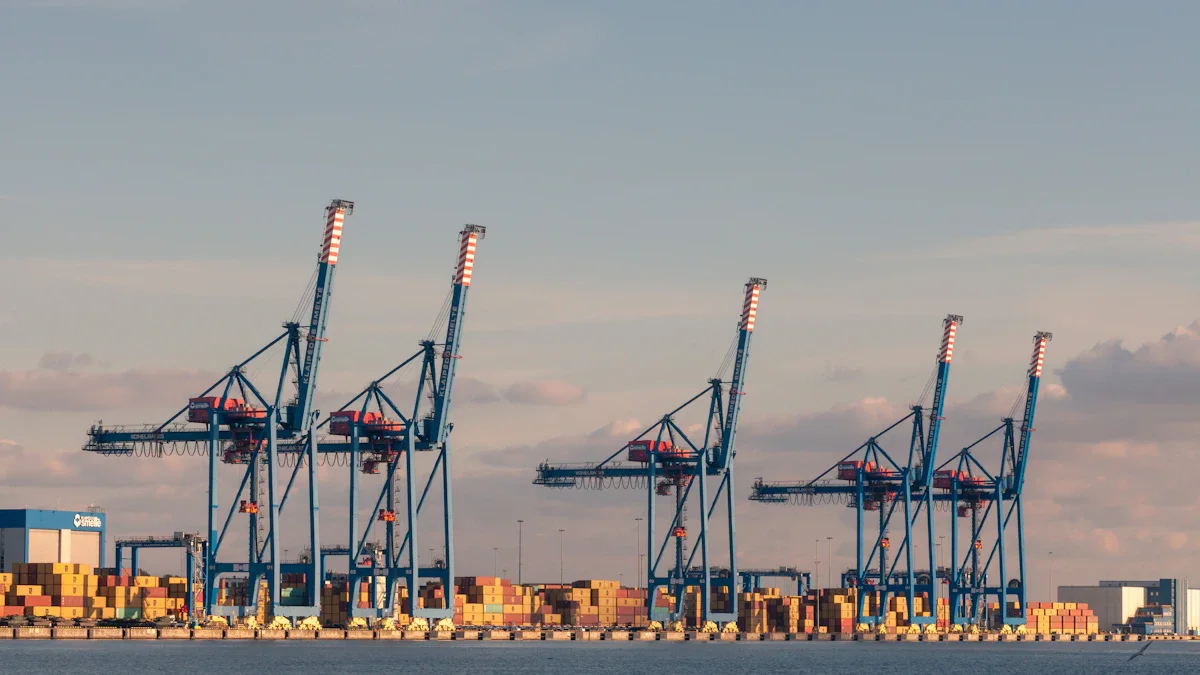
The Lithuanian Parliament, the Seimas, has formally moved to reconsider a controversial maritime law following a high-profile veto by President Gitanas Nausėda. The legislative dispute centers on the legal framework governing the port of Klaipėda, Lithuania’s only commercial seaport and a vital strategic asset on the Baltic Sea. At the heart of the conflict is a fundamental disagreement over whether the nation’s constitutional ban on weapons of mass destruction allows for any flexibility during times of heightened national security.
On May 7, the Seimas initially passed a new version of the Klaipėda State Seaport Act. The legislation included a provision that would prohibit ships with nuclear power plants or nuclear weapons from entering the port, but added a significant caveat: “except in cases where this does not contradict national security interests.” This exception triggered an immediate response from the Presidency, highlighting a growing tension between practical military cooperation with NATO allies and the strict interpretation of the country’s founding legal document.
Constitutional Friction Over National Security
President Gitanas Nausėda’s decision to veto the amendments is rooted in a literal reading of the Lithuanian Constitution. In his decree, the President pointed to Article 137, which states unequivocally that “there may be no weapons of mass destruction and foreign military bases on the territory of the Republic of Lithuania.”
According to the President’s Chief Adviser, Ramūnas Dilba, the constitutional prohibition is “absolute in nature and has no exceptions.” The Presidency argues that by allowing a “national security interest” loophole for nuclear-armed vessels, the Seimas would be overstepping its legislative authority and potentially creating a constitutional crisis. For a nation that regained its independence from the Soviet Union with a strong emphasis on sovereignty and neutrality regarding nuclear armaments, this legal boundary remains a sensitive pillar of public policy.

The Scope of the Presidential Veto
President Nausėda has not proposed a total ban on all nuclear-related maritime activity, but rather a nuanced distinction between propulsion and weaponry. His proposed amendment to Article 7 of the Seaport Act seeks to establish a bifurcated rule:
- Nuclear Weapons: An absolute, no-exception ban on any vessel carrying nuclear armaments from entering the port territory.
- Nuclear Propulsion: A ban on ships with nuclear power plants (such as certain icebreakers or aircraft carriers), but with the possibility of exceptions if such entry aligns with national security interests.
This distinction is particularly relevant for Lithuania’s role within NATO. While the country does not host nuclear weapons, it frequently hosts allied naval vessels. Some of the most advanced ships in the fleets of the United States, the United Kingdom, and France are nuclear-powered. By allowing exceptions for propulsion but not for weaponry, the President aims to balance constitutional integrity with the logistical realities of modern naval alliances.
Geopolitical Implications for the Baltic Region
Klaipėda is not merely a commercial hub; it is a critical node for NATO’s eastern flank. As tensions in the Baltic region remain high due to proximity to the Russian exclave of Kaliningrad, the legal status of the port carries significant weight. International observers note that clear legal definitions are essential for allied navies to plan exercises and port calls without the risk of legal challenges or diplomatic friction.

If the Seimas were to override the President’s veto or fail to adopt his proposed nuances, it could lead to a protracted legal battle in the Constitutional Court. Such a scenario would create uncertainty regarding the port’s accessibility for high-tech allied vessels at a time when regional security cooperation is at its most intense in decades.
Legislative Timeline and Next Steps
The move to reconsider the law was supported by an overwhelming majority in the Seimas, with 104 members voting in favor of the review and only three voting to reject the law entirely. The legislation has now been returned to the Committee on Law and Order for further scrutiny and refinement.
A final vote on the President’s proposed changes is scheduled for May 21. The outcome will determine whether Lithuania maintains one of the strictest anti-nuclear maritime policies in Europe or if the legislature will find a way to reconcile constitutional mandates with the evolving needs of regional defense.
Source: ELTA




Comments