
Swedish Royals Witness Human Cost of War at Vilnius Ukraine Center
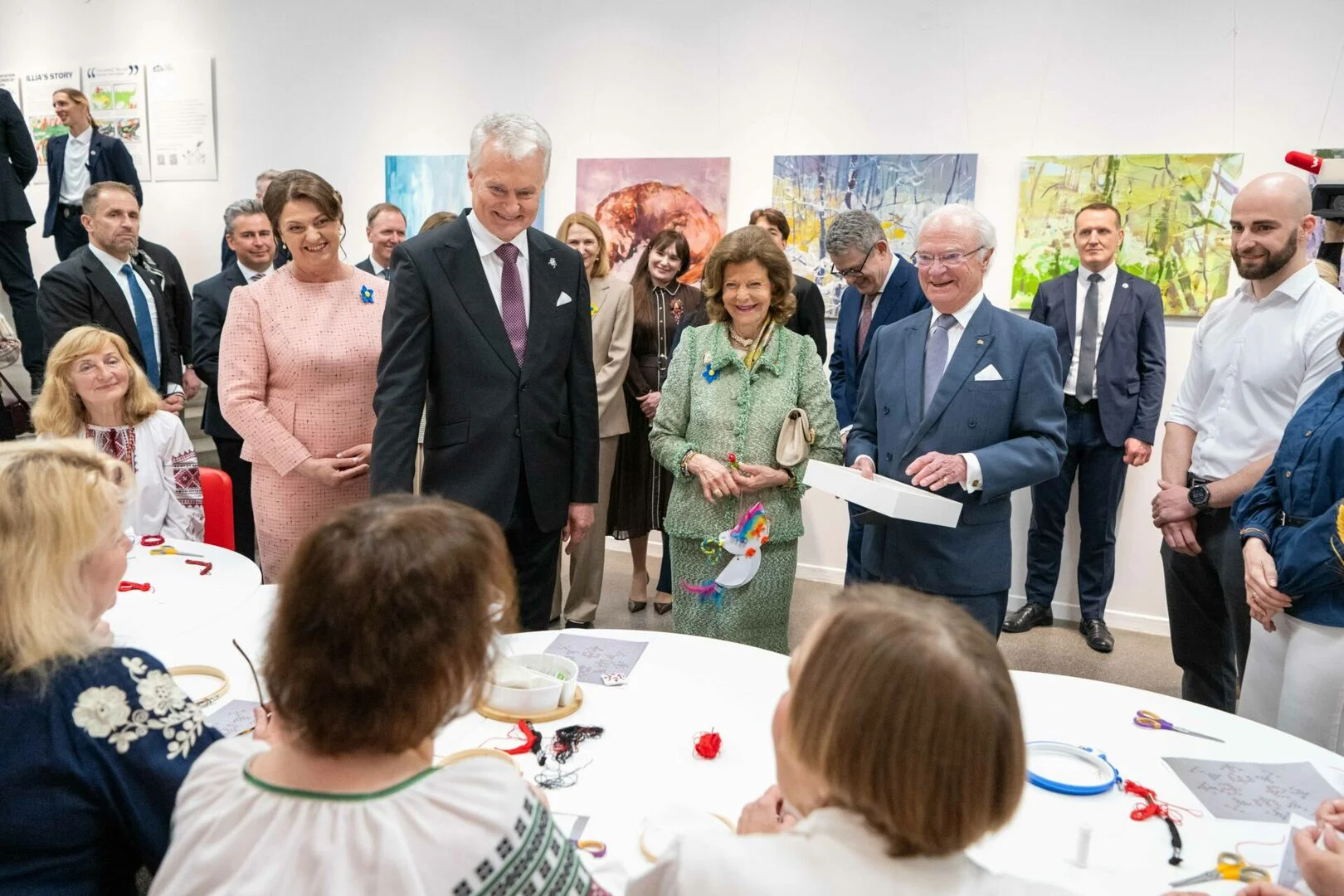
Inside the sunlit halls of the Ukraine Center in Vilnius, the voices of the ‘Mriya’ children’s choir—their name meaning ‘Dream’—offered a poignant welcome to a high-profile diplomatic delegation. King Carl XVI Gustaf and Queen Silvia of Sweden, currently on a state visit to Lithuania, joined President Gitanas Nausėda and First Lady Diana Nausėdienė to observe the front lines of humanitarian and psychological support for those displaced by the ongoing conflict.
The visit was more than a formal diplomatic gesture; it served as a stark confrontation with the documented trauma of Ukraine’s youngest victims. The royal couple and their hosts spent significant time at the ‘Lost Childhood’ exhibition by Ukrainian photographer Roman Pashkovsky. The series of portraits and narratives tells the harrowing stories of children forcibly relocated or abducted by Russian forces—a practice that has drawn international condemnation and legal scrutiny from the International Criminal Court.
Confronting the Stolen Generations of Ukraine
The ‘Lost Childhood’ exhibition serves as a grim reminder of the long-term consequences of the war. For the Swedish monarchs, known for their long-standing commitment to children’s rights and welfare through the World Childhood Foundation, the display highlighted the urgent need for international cooperation in tracking and repatriating abducted children. The exhibition does not merely document loss; it acts as a call to action for the global community to support the safe return and rehabilitation of these minors.
During the tour, the royal party observed various therapeutic and educational activities currently being facilitated by qualified art therapists, psychologists, and social workers. These programs are designed to address the deep-seated trauma of war, providing children with the tools to process their experiences in a safe, supportive environment. The presence of the Swedish royals underscores the Nordic-Baltic solidarity in addressing the humanitarian fallout of the invasion, which has seen millions of Ukrainians seek refuge across Europe.
A Sanctuary for Integration and Identity in Vilnius
Established through the joint initiative of the First Ladies of Lithuania and Ukraine, the Ukraine Center in Vilnius has become a unique European model for refugee support. Unlike traditional aid centers that focus solely on immediate physical needs, this institution—a partnership between the Lithuanian Presidency, Vytautas Magnus University, and the Ukrainian Embassy—prioritizes cultural preservation and intellectual resilience.
President Nausėda emphasized that Lithuania’s support for Ukraine extends beyond military and diplomatic aid. “We are investing in the psychological well-being of children who have experienced the horrors of war,” he noted during the visit. The center provides a space where Ukrainians can maintain their language, history, and identity while successfully integrating into Lithuanian society. This dual focus is seen as essential for the eventual rebuilding of Ukraine, ensuring that the ‘lost generation’ remains connected to their roots.
Strengthening the European Vision for a Post-War Generation
The visit concluded with a discussion involving students from Kauno Technologijos Universitetas (KTU) and Ukrainian youth regarding the future scenarios for Ukraine. These dialogues are a core component of the center’s mission to foster critical thinking and resilience against disinformation among young people.
For the UK and the wider international community, the Vilnius model represents a shift toward long-term humanitarian infrastructure. By focusing on education and psychological rehabilitation, the center aims to prepare a generation that is not only recovered from trauma but is also equipped to lead Ukraine toward a European future. As the Swedish royal visit highlights, the stability of the Baltic region and the successful integration of its refugee populations remain a focal point of European security and social policy. The ongoing work in Vilnius serves as a blueprint for how nations can move from emergency response to sustainable community building in the face of prolonged conflict.
Source: BNS



Comments