
Lithuania Proposes ‘Once-a-Day’ Cap on Fuel Price Hikes
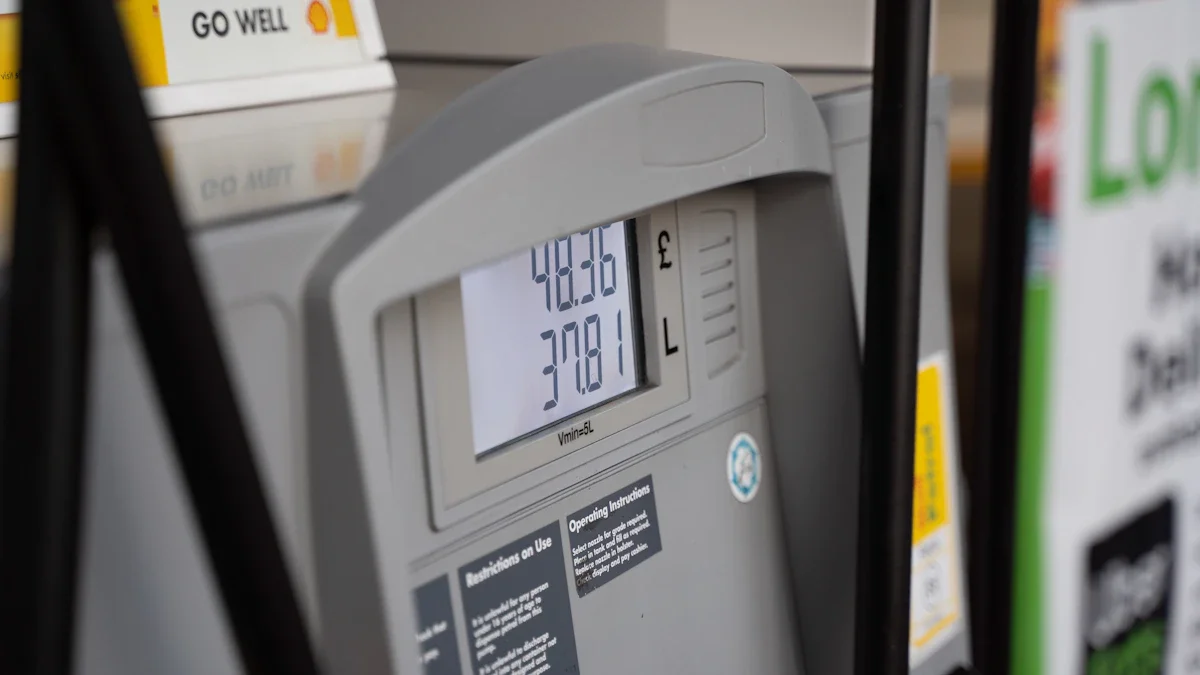
Drivers in Lithuania may soon find more stability at the pump as the national parliament, the Seimas, begins debating a significant shift in energy regulation. Under a new proposal, petrol stations would be legally restricted from raising fuel prices more than once every 24 hours, specifically at 10:00 AM.
The initiative, introduced by Energy Minister Žygimantas Vaičiūnas, aims to eliminate the volatility that currently allows retailers to adjust prices multiple times throughout a single day. Crucially, the restriction would only apply to price increases; fuel retailers would remain free to lower prices at any time to maintain competitive pressure.
Comparing the Proposed Pricing Framework
The following table outlines the core shift in how fuel retailers would be required to operate under the proposed amendments to the Law on Energy:
| Feature | Current Practice | Proposed Regulation |
|---|---|---|
| Frequency of Hikes | Unlimited daily changes | Maximum once per 24 hours |
| Timing of Hikes | Any time | Fixed at 10:00 AM |
| Price Reductions | Unlimited | Remains unlimited |
| Non-Compliance Penalty | Variable/Administrative | Up to 10% of annual revenue |
| Market Scope | ~800 stations | ~800 stations |
Closing the ‘Transparency Gap’ for Digital Consumers
The primary driver behind this legislation is the increasing reliance on digital price-comparison tools. In the current market, the price a consumer sees on a mobile app or a price-tracking website can often expire by the time they drive to the station. This “transparency gap” effectively renders public price information obsolete and hinders the consumer’s ability to make informed financial decisions.

According to the Ministry of Energy, the lack of a “safety buffer” in the current law means that fuel prices are changed uncontrollably during the day. By fixing the window for price hikes to a specific morning hour, the government believes it can restore the effectiveness of price competition. If consumers know that the price they see at 10:01 AM is the maximum they will pay for the rest of the day, they can plan their purchases with actual certainty.
Regulatory Teeth and the 10% Revenue Risk
To ensure the 80 companies operating Lithuania’s nearly 800 filling stations comply, the proposal grants significant enforcement powers to the State Energy Regulatory Council (VERT). The proposed penalty for violating the once-a-day hike rule is notably severe: a fine of up to 10% of the energy company’s annual turnover.
This high-stakes penalty reflects the government’s stance on consumer rights in an unstable global energy market. Minister Vaičiūnas emphasized that while global markets are volatile, the domestic goal is to ensure consumers pay the lowest possible price without being subjected to predatory or confusing intraday fluctuations.

Following European Precedents
Lithuania is not the first European nation to explore such restrictions. The proposed legal framework draws heavily on existing “best practices” from other EU member states. Specifically, Austria and Germany have successfully implemented similar frequency limits on fuel price adjustments. These models have shown that by slowing down the rate of price increases, the market becomes more transparent for the average motorist, even if global crude oil prices remain in flux.
Legislative Timeline and Next Steps
The proposal has already cleared its first hurdle in the Seimas with significant support. In the initial vote, 75 members of parliament voted in favor, with only 3 opposed and 12 abstentions.
The bill (Project No. XVP-1450) has now been referred to the Committee on Energy and Sustainable Development for deeper technical analysis. The Seimas is scheduled to return to the debating chamber for a second reading on June 2. If passed, the law would represent one of the most interventionist consumer protection measures in the Baltic energy sector to date.
Source: ELTA




Comments