
Riga-Jelgava Train Times Shift Due to Major Rail Modernization
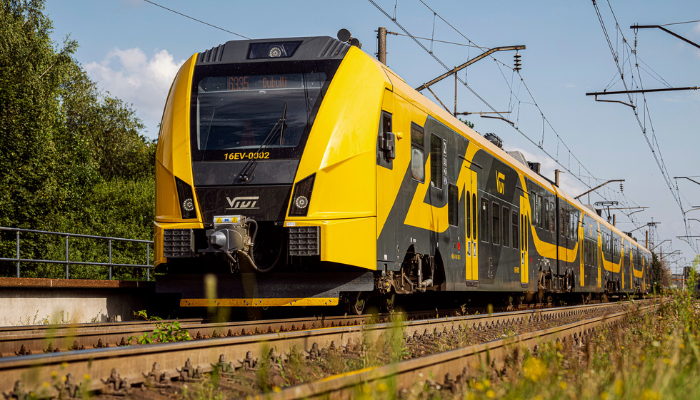
Commuters utilizing the vital rail corridor between Riga and Jelgava in Latvia are facing a schedule adjustment starting May 19. While the changes may appear minor on paper, the precision required for modern rail transit means that even a sixty-second shift can disrupt a tightly timed morning or evening routine. The adjustments, announced by the national passenger carrier “Vivi,” affect several morning and evening services and are a direct result of ongoing infrastructure upgrades managed by Latvian Railways (VAS “Latvijas dzelzceļš”).
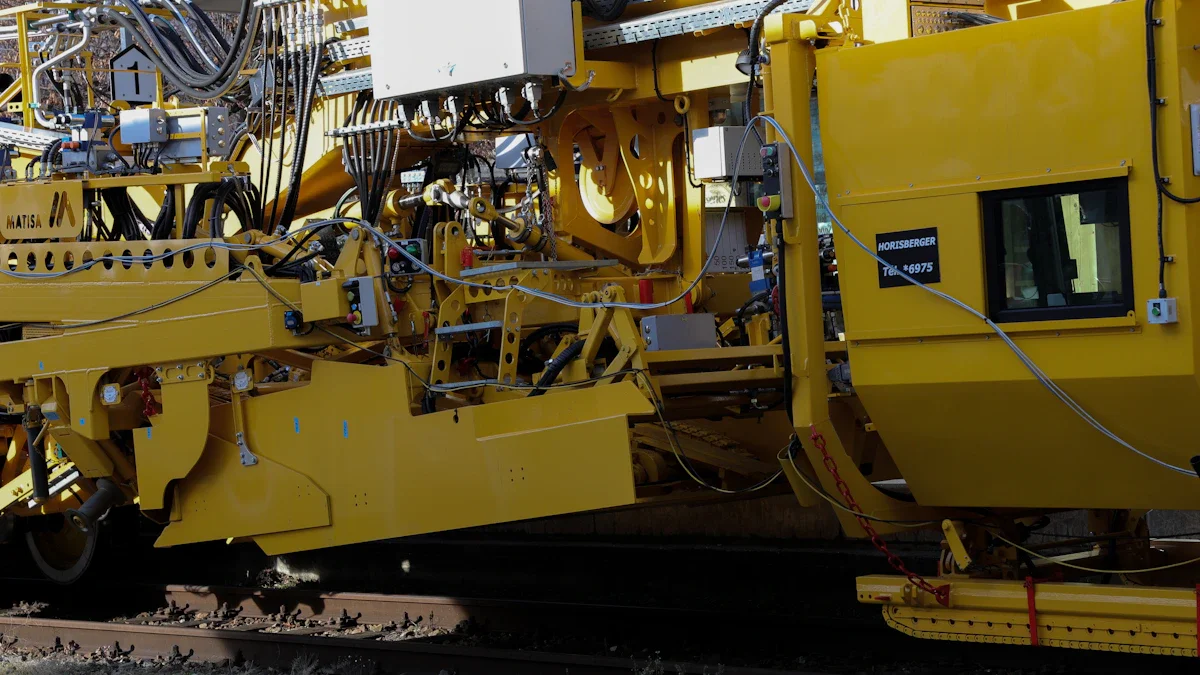
The Riga-Jelgava route is one of the busiest commuter arteries in the Baltic region, serving as a primary link for those working in the capital while living in the historic city of Jelgava. The current timetable revisions are not arbitrary; they are necessitated by a dual-front infrastructure project. Specifically, crews are continuing modernization work on the overhead contact networks on the Jelgava line, while simultaneously wrapping up significant works on the adjacent Tukuma line. This intersection of maintenance schedules creates a bottleneck that requires adjusted departure slots to ensure safety and operational flow.
Specific Departure Adjustments for Afternoon Commuters
For most passengers, the most critical takeaway involves three specific afternoon services departing from Riga Central Station. These trains will now depart exactly one minute earlier than their previous schedule. In the context of rail travel, where automated gates and platform access often close moments before departure, this one-minute buffer is essential for passengers to note.
The following table outlines the specific changes for these high-traffic weekday afternoon services:
| Previous Departure Time | New Departure Time (from May 19) |
|---|---|
| 16:05 | 16:04 |
| 17:05 | 17:04 |
| 18:05 | 18:04 |
Beyond these three specific shifts, other morning and evening services may see slight variations in arrival or departure times at intermediate stations. The carrier has emphasized that these changes are designed to accommodate the physical constraints of the track while modernization of the electrical contact system is underway. Such upgrades are part of a broader national effort to improve the reliability and speed of the Latvian rail network, mirroring similar electrification projects seen across the United Kingdom and Western Europe.
Infrastructure Modernization and Network Constraints
The “Vivi” brand—the recently refreshed identity for Latvia’s Pasažieru vilciens—is currently navigating a period of significant transition. The modernization of the contact network is a technical necessity for the deployment of new electric train sets, which require stable and modernized overhead power lines. By coordinating these works with the final stages of the Tukuma line project, Latvian Railways aims to minimize the long-term duration of disruptions, even if it requires short-term timetable fluidity.
For international travelers or UK expats currently residing in the region, it is worth noting that Latvian rail services are increasingly moving toward digital-first communication. The carrier has integrated all current changes into their official mobile application and website, which remains the most reliable source for real-time tracking.

Navigating the Updated Timetable
Passengers are urged to verify their specific journey times before heading to the station on Monday morning. While the one-minute shift is the most prominent change, the cumulative effect of infrastructure works can sometimes lead to cascading delays if the initial departure window is missed.
To assist with the transition, Vivi has made several resources available:
* The Vivi Mobile App: Updated in real-time with all schedule variations.
* Official Website: A full downloadable timetable reflecting the May 19 changes.
* Customer Service: A 24-hour toll-free helpline (8760) is available for those requiring specific assistance or clarification on ticket validity during the works.
As the Baltic rail network continues its integration with broader European standards, these incremental infrastructure updates are becoming a common feature of the regional transit landscape. For the Riga-Jelgava commuter, these changes represent a small price for the eventual promise of a more robust and modernized electrical rail service.
Source: Jelgavas valstspilsētas pašvaldība




Comments