
London brain cancer study raises antibiotic caution

A study of 373 glioblastoma patients treated at two NHS centres found that those who received antibiotics during cancer treatment survived for less time than patients who did not. The association remained after researchers accounted for factors including infections, steroid use and tumour characteristics.
The finding does not establish that antibiotics caused shorter survival. Researchers say the results support more careful prescribing while further work examines whether antibiotics, infections or changes to the microbiome could influence treatment outcomes.
By Beehive Web Health Desk
Published by beehiveweb.co.uk
21 July 2026
The 373-patient finding and its limits
Researchers from Guy’s and St Thomas’ NHS Foundation Trust and University Hospital Southampton examined outcomes among 373 patients with glioblastoma, an aggressive brain tumour that the NHS organisations said accounts for approximately 40% of brain cancer cases.
Patients who received antibiotics lived for a shorter period than those who did not, even after recovering from their infections. The negative association also remained when the researchers considered other influences on survival, including steroid use, infection and tumour characteristics.
Those adjustments strengthen the observation, but they cannot prove cause and effect. The supplied findings do not include a randomised treatment comparison, a survival difference expressed in months or evidence that stopping antibiotics would improve an individual patient’s outcome. The study therefore identifies a signal requiring investigation rather than a new treatment rule.
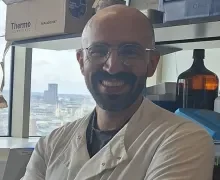
The research was published in Clinical Oncology and supported by the Tessa Jowell Brain Cancer Mission.
Why antibiotics may be used during glioblastoma care
Glioblastoma treatment can include radiotherapy and chemotherapy. Some patients are also given antibiotics to help combat a rare form of pneumonia that can occur during treatment.
That clinical purpose remains central to interpreting the research. Antibiotics can be essential and lifesaving when a patient needs them, and the researchers did not advise withholding necessary medication.
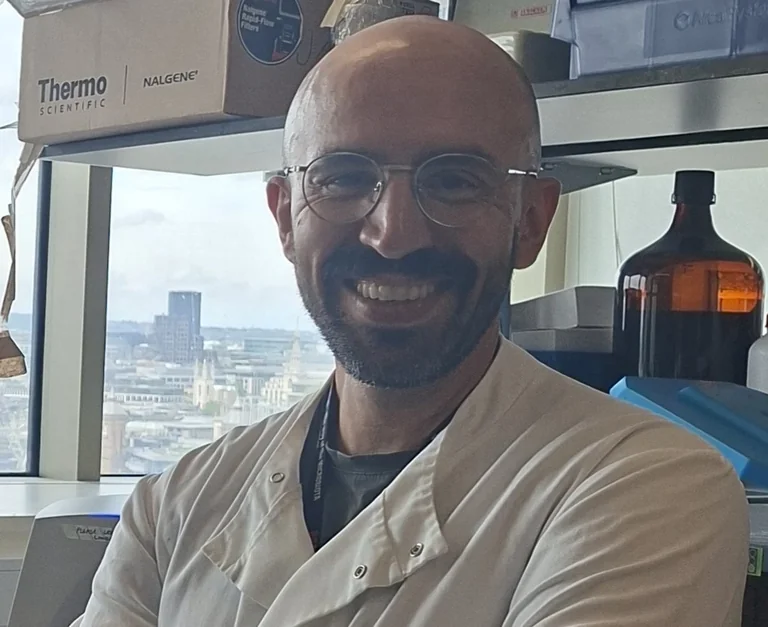
Dr Miguel Reis Ferreira, a consultant clinical oncologist at Guy’s and St Thomas’ and clinical lecturer at King’s College London, said the findings supported avoiding unnecessary antibiotic use and selecting more targeted antibiotics where possible. He also raised the possibility that the microbiome—the community of bacteria living in and on the body—could affect how patients benefit from cancer treatment.
Dr Sean Main, consultant neuro-oncologist at University Hospital Southampton and the inaugural Tessa Jowell Brain Cancer Mission fellow, said broad-spectrum antibiotics may have unintended consequences. He stressed that further research is required to understand the mechanisms and that clinicians must balance the benefits and possible effects of prescribing during treatment.
Patients should not stop prescribed antibiotics
The study does not provide a basis for patients to stop, delay or alter antibiotics themselves. A prescription may be addressing an infection or preventing a serious complication, while the research describes an association across a patient group rather than predicting what will happen to one person.
Patients concerned about antibiotic use during radiotherapy or chemotherapy should discuss the reason for the prescription with their treating cancer team. Any decision must take account of the immediate risk from infection as well as the unresolved questions raised by the study.
Researchers will examine the microbiome link
The same research team is now exploring whether the gut microbiome could help explain the observed survival pattern. The ongoing study involves patients treated at Guy’s and St Thomas’ and King’s College Hospital.
Researchers will examine how antibiotics, infections, cancer treatment and the microbiome interact. Their stated aim is to determine whether a better understanding of those relationships could help clinicians personalise care for people living with glioblastoma.
Source: Guy's and St Thomas' NHS News
Context & actions About this article
Source check Source trail
The report was checked against the NHS source for the patient cohort, clinical caveats and researchers' stated next steps.
- Confirmed that the study involved 373 patients across two NHS centres.
- Separated the observed survival association from proof of causation.
- Retained the researchers' warning that necessary antibiotics can be lifesaving.
- Confirmed that microbiome research is continuing at London NHS hospitals.
- Source
- Guy's and St Thomas' NHS News
- Scope
- United Kingdom
- Updated
- 2026-07-21 12:15
Source check
Report a trust issue
Send a clear signal to community moderation if the source, facts or context need review.




Comments