
Magna Carta celebrations show why 1215 still matters

By Beehive Web Culture Desk
Each June, the story of Magna Carta returns to public life in Britain through school lessons, museum displays, local history walks and civic ceremonies. Its lasting importance is not that a medieval charter solved democracy in 1215, but that it gave later generations a powerful language for law, liberty and limits on authority.
The British Library describes Magna Carta as a foundational document for constitutional law in the UK. That status explains why communities still mark its influence more than eight centuries later: it links local memory, national institutions and modern legal identity in one unusually durable historical object.
For readers looking at June 12 as a date in the history calendar, the point is best understood as part of the wider mid-June Magna Carta season. The charter is traditionally associated with June 1215, and modern commemorations often use this period to revisit what the document has come to represent.
Why Magna Carta became more than a medieval charter
Magna Carta began as a political settlement between King John and rebel barons in 1215. It was not written as a modern democratic constitution, and its original clauses reflected the concerns of a narrow medieval elite. Yet its later influence grew far beyond that immediate dispute.
Over time, lawyers, parliamentarians, campaigners and historians treated Magna Carta as a symbol of the idea that power should be subject to law. That is why its cultural meaning often matters as much as its medieval wording.
The document’s most famous legacy is the principle that rulers are not above legal restraint. In modern British public life, this idea is commonly linked to due process, lawful authority and constitutional limits, even though today’s legal system rests on many later statutes, conventions and court decisions.
This is where the British Library’s framing is important. Calling Magna Carta foundational does not mean every modern right comes directly from the 1215 text. It means the charter occupies a central place in the historical development of constitutional thinking in the UK.
How local communities keep the legacy visible
Magna Carta is remembered nationally, but its influence is often made visible locally. Towns, libraries, schools, churches, museums and civic groups use anniversaries to connect a large constitutional story with places people can visit and understand.
That local layer matters because constitutional history can otherwise feel abstract. A classroom discussion about legal rights becomes more tangible when linked to a manuscript, a charter town, a local exhibition or a public reading. The result is less a celebration of parchment itself than a recurring conversation about what lawful government requires.
Communities may mark the legacy through:
- Public talks on rights, Parliament and the rule of law.
- Local history trails connecting medieval England with present-day civic identity.
- School projects explaining why the charter is still discussed.
- Museum and library displays showing how historical documents survive and gain meaning.
These activities are cultural as well as educational. They help people see constitutional history not as a remote legal specialist subject, but as part of the shared language of public life.
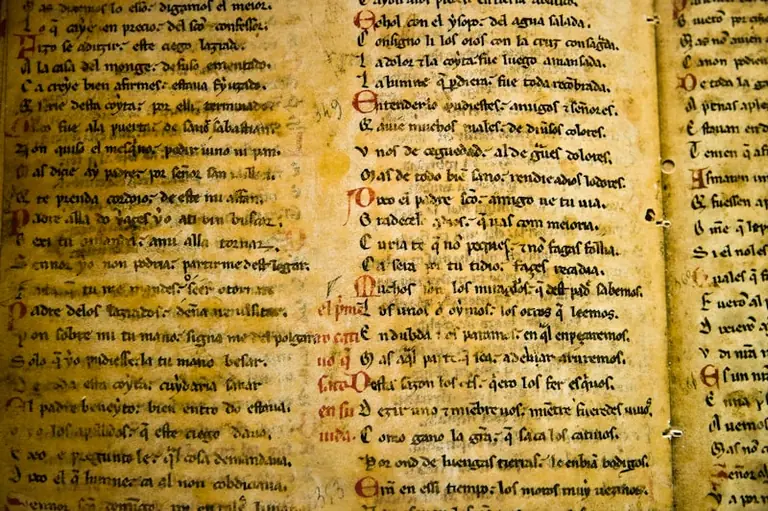
The document’s modern legal importance needs context
Magna Carta is often described in grand terms, but careful context makes the story stronger. The 1215 charter was reissued and revised after King John’s reign, and only a small part of its later statutory form remains directly on the statute book today.
That does not make the legacy weaker. It shows how historical influence works. A document can matter because of the legal rules it preserved, the ideas it inspired and the authority later generations attached to it.
In Britain, Magna Carta is frequently linked with the development of constitutional law because it helped shape a long-running argument about lawful power. That argument continued through Parliament, the courts, political conflict and public debate across centuries.
The charter is also part of Britain’s international reputation for constitutional history. It has influenced legal and political language beyond the UK, especially in discussions about due process, individual liberty and accountable government. Those later uses should not be confused with the medieval document’s original purpose, but they help explain its enduring reach.
Why June commemorations still attract attention
Magna Carta anniversaries work because they sit at the meeting point of history, law and civic identity. They give institutions a reason to explain difficult ideas in public: how rights develop, why courts matter, and why legal limits on authority are central to democratic culture.
The date also gives local communities a practical hook. A June event can be built around a display, a lecture, a school assembly or a walking tour. That rhythm keeps the charter in public memory without requiring every commemoration to make a new historical claim.
For readers, the useful question is not whether Magna Carta was a complete democratic blueprint. It was not. The better question is why a document produced in a feudal crisis still helps people talk about citizenship and law in 2026.
The answer lies in continuity. Modern Britain has changed beyond recognition since 1215, but the idea that authority should be limited by law remains recognisable and relevant. Magna Carta gives that idea a historical anchor.
What to watch next in Magna Carta history
The most useful next check is how museums, libraries and local councils present Magna Carta during future anniversaries. Strong public history will explain both sides of the story: the charter’s medieval limits and its later constitutional importance.
Readers should also look for whether events connect the document to living legal questions without overstating the connection. Magna Carta’s strength as a cultural reference depends on accuracy. Its story is most powerful when the myth is separated from the evidence, and when the surviving document is treated as the beginning of a long constitutional conversation rather than the final word.
Source: British Library
Context & actions About this article
Source check Source context
This article uses British Library context on Magna Carta's role in UK constitutional law and adds historical background for readers.
- British Library Magna Carta collection page
- Date context for the 1215 charter
- Modern UK constitutional relevance
- Distinction between original text and later legacy
- Source
- British Library
- Scope
- United Kingdom
- Updated
- 2026-06-15 07:34
Source check
Report a trust issue
Send a clear signal to community moderation if the source, facts or context need review.




Comments