
Manchester research points to safer antifungal drugs
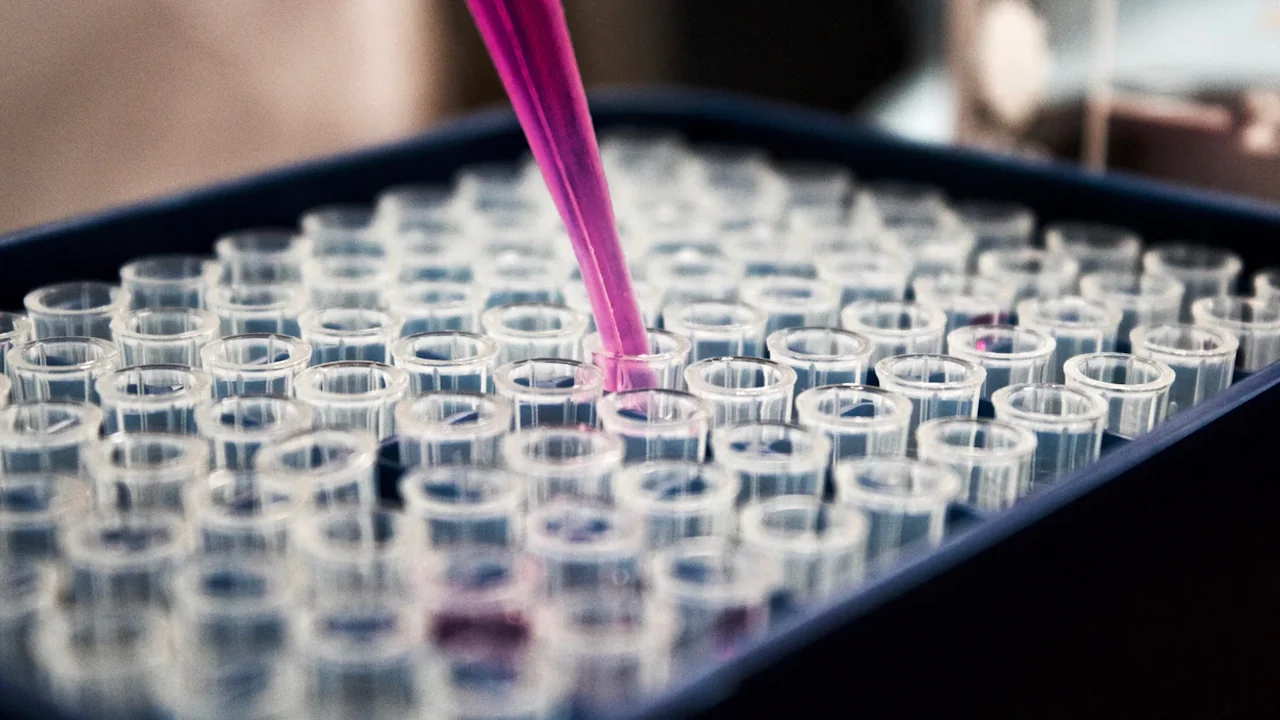
Researchers in Manchester have helped identify a new route towards antifungal medicines that could be more powerful and less toxic than some existing treatments.
The work, led by scientists at Imperial College London and The University of Manchester, produced a new family of polyene antifungal compounds. In preclinical tests, including studies in mice, several compounds showed stronger antifungal activity, lower toxicity and better solubility than their parent drugs.
Why drug-resistant fungal infections are difficult to treat
Fungal diseases are becoming harder to manage as resistance to existing medicines increases. The World Health Organisation has recently highlighted the growing threat, while the development of new antifungal treatments has not kept pace with the need.
One difficulty is that fungal cells share similarities with human cells. That makes it challenging to destroy an infection without also damaging healthy tissue. Amphotericin, a widely used polyene antifungal, can be highly effective but is also associated with serious toxicity.
The research team focused on finding related compounds that could retain the strength of existing polyenes while reducing their harmful effects.
Genome mining revealed overlooked antifungal compounds
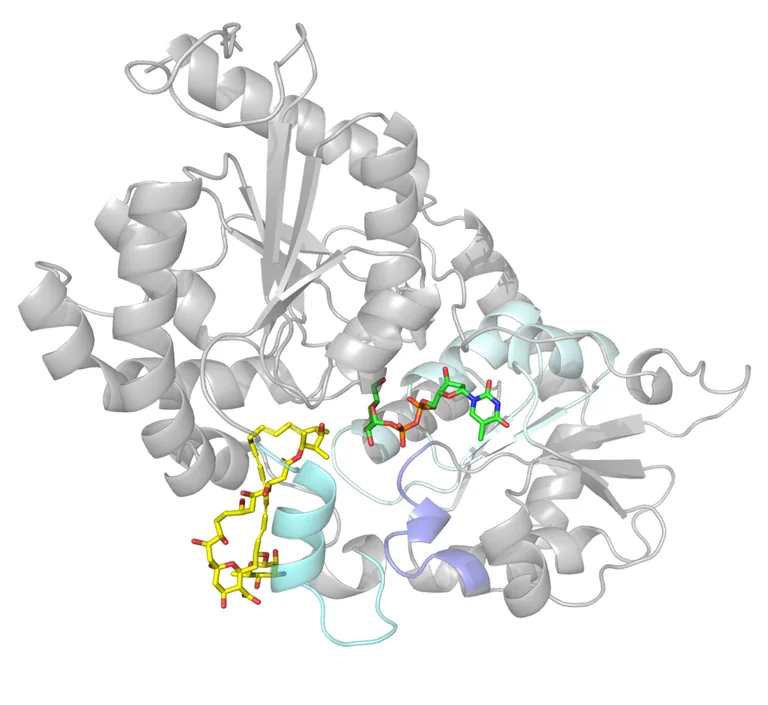
Scientists in the Micklefield Lab used a process called genome mining to search bacterial genetic information for organisms capable of making previously undiscovered polyenes. The team then used nuclear magnetic resonance, or NMR, to determine the structures of the compounds they found.
Each newly identified polyene had a structure different from existing antifungal agents. Researchers also examined the enzymes responsible for producing the compounds and used them to create a library of modified polyene derivatives.
Dr Saadia Nasr Mirza, who worked on the project, said the team wanted to discover whether bacteria could produce alternatives to amphotericin that were safer. The bioinformatics analysis showed that many bacterial species may have the ability to produce novel polyenes.
Nys34 reduced fungal burden in mouse testing
One compound, known as Nys34, produced particularly encouraging results. In a mouse model of invasive aspergillosis, a serious infection caused by Aspergillus fumigatus, Nys34 reduced the amount of fungus without substantive signs of toxicity.
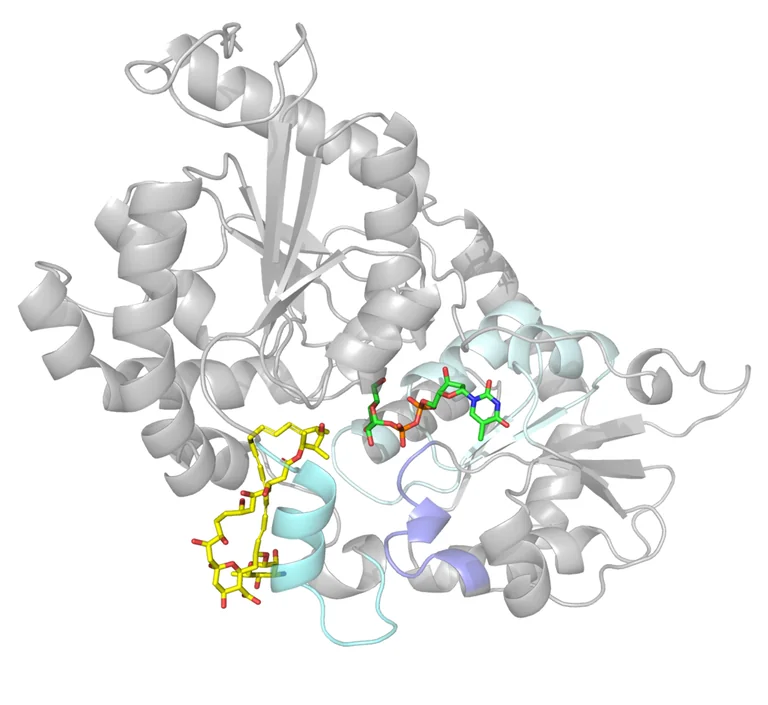
The researchers also found that Nys34 appears to kill fungal cells through a different mode of action from amphotericin. That distinction could eventually matter if fungal pathogens develop resistance to commonly used treatments.
Professor Jason Micklefield, who led the project, said several derivatives were more potent and less toxic than amphotericin and nystatin, another clinically used polyene. The findings remain preclinical: results in mice do not establish that a compound is safe or effective in people.
Enzyme-based development could reduce manufacturing barriers
Polyene antifungals are complex molecules. Earlier attempts to improve them have often involved lengthy, expensive chemical synthesis and potentially harmful reagents.
The Manchester and Imperial research used enzymes to modify the compounds through biological processes. According to the researchers, this approach could be cleaner, more efficient and potentially scalable, although further development would be needed before any practical treatment becomes available.
The same platform could also be used to generate and refine additional polyene antifungals for different fungal diseases. The researchers hope that Nys34 can be developed far enough to enter clinical testing in people, but no human trials are reported in the study.
Source: University of Manchester News
Context & actions About this article
Source check Source check
This report follows the University of Manchester account and separates preclinical findings from future clinical possibilities.
- Checked the reported publication date of 29 July 2026.
- Checked the named researchers, institutions and compound Nys34 against the supplied source...
- Checked that the reported testing was conducted in mice and did not establish a human trea...
- Checked the cited journal and study title supplied by the source.
- Source
- University of Manchester News
- Scope
- Manchester
- Updated
- 2026-07-30 10:45
Source check
Report a trust issue
Send a clear signal to community moderation if the source, facts or context need review.




Comments