
Netherlands Truck Toll 2026: Why On-Board Units Must Stay Active
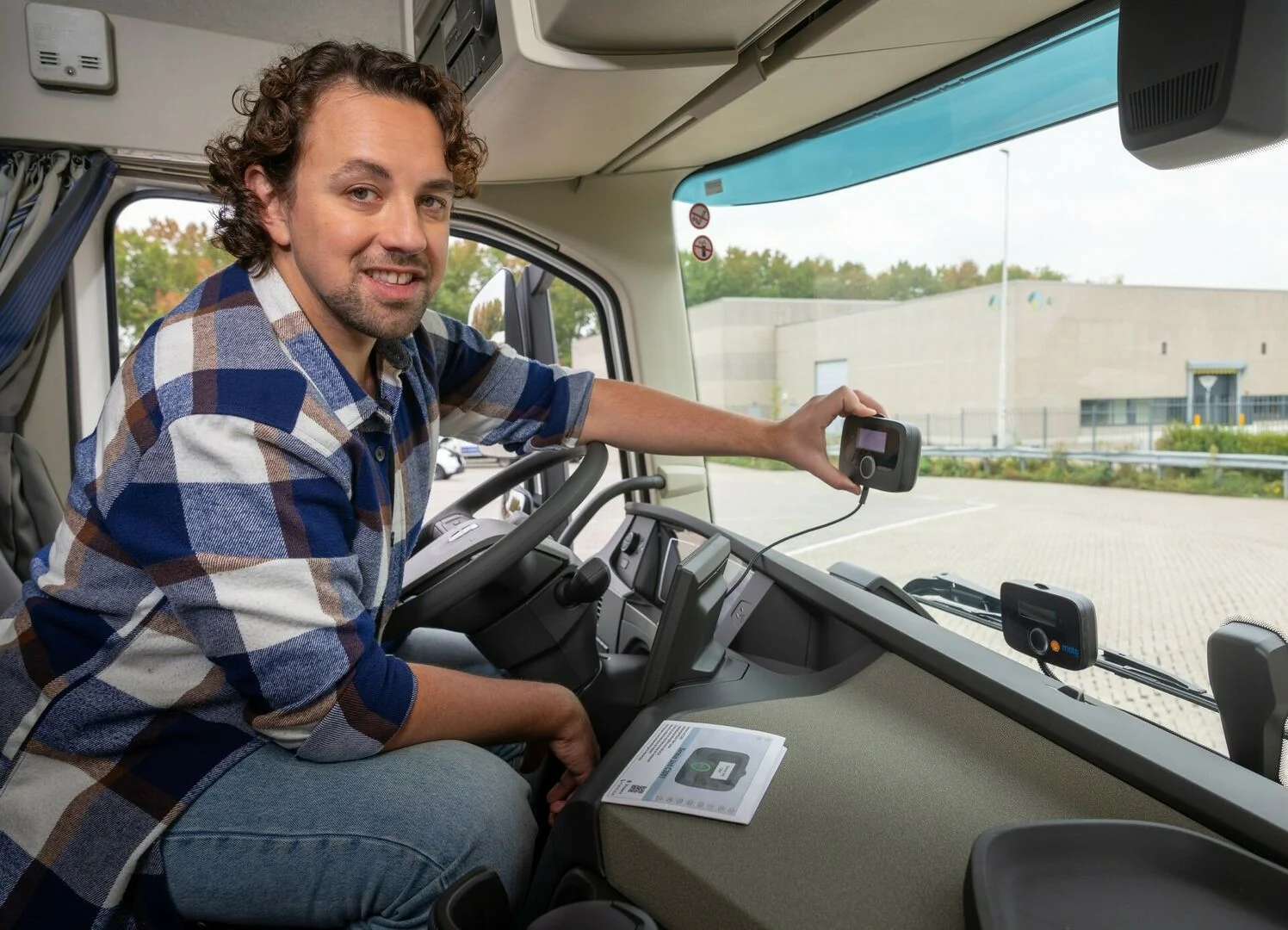
From July 1, 2026, the Netherlands will officially implement a new distance-based road tax for heavy goods vehicles (HGVs). While road pricing is common across Europe, the Dutch RDW (National Road Traffic Service) has issued a specific warning to international hauliers: the required on-board unit (OBU) must remain switched on at all times, even when driving on roads where the toll does not apply.
This move brings the Netherlands in line with several other EU member states that use satellite-based tracking to fund infrastructure and incentivise more efficient logistics. For UK-based transport companies and independent drivers operating across the North Sea, understanding the technical nuances of this system is essential to avoid substantial fines from the first day of implementation.
The ‘Always On’ Mandate: A Crucial Compliance Rule
The most significant operational detail for drivers is the requirement for the on-board equipment to be active throughout the entire journey within Dutch borders. Unlike some systems where devices only need to be active on specific motorways, the Dutch system requires the OBU to be powered and functional on every public road.
The RDW explains that this is necessary to ensure a level playing field for all carriers and to prevent accidental non-compliance. By keeping the device active on non-taxed roads, the system can accurately register the moment a vehicle enters a toll-liable section. A common misconception among international drivers is that exemptions or ‘off’ periods granted in other jurisdictions apply here; however, the Dutch authorities have clarified that failure to keep the device active on any road constitutes a violation of the law.
Essential Preparation for International Hauliers
The mandate applies to all N2 and N3 category trucks. To ensure compliance by the summer of 2026, owners and operators must take several administrative and technical steps:
- Service Provider Contracts: Operators must have a valid contract with a registered toll service provider authorised to operate in the Netherlands.
- Equipment Verification: Ensure the OBU is compatible with the Dutch system. If you already have a provider for other EU countries, check if your current contract can be extended to include the Netherlands.
- Registration Accuracy: The OBU must be correctly linked to the vehicle’s specific registration number and weight class.
- Fault Reporting: In the event of a technical failure, drivers are required to notify their service provider immediately. Regulations state that a functional replacement must be sourced or the issue resolved within three hours of the fault occurring.
Penalty Structure and the Initial Grace Period
To ease the transition, the RDW has announced a tiered penalty system with a six-month introductory period. From July 1, 2026, until January 1, 2027, fine rates will be reduced by 50% to allow the industry to adapt to the new workflow.
| Violation Type | Standard Fine (From 2027) | Introductory Fine (Until 2027) |
|---|---|---|
| No valid contract with a provider | €800 | €400 |
| Driving with the OBU switched off | €500 | €250 |
| Malfunctioning or incorrect equipment | €500 | €250 |
| Using an OBU assigned to another truck | €500 | €250 |
Enforcement will be carried out through a combination of fixed gantries over motorways and mobile roadside units. Crucially, the RDW has stated that a ‘human assessment’ will be performed before any fine is issued to account for genuine errors or edge cases. However, if a vehicle is stopped and the owner’s address is unknown or the fine cannot be collected via mail, authorities have the power to impound the vehicle until the penalty is paid on the spot.
Why the Change Matters for the UK Transport Sector
For UK hauliers, the Netherlands serves as a vital gateway to the rest of Europe via ports like Rotterdam and IJmuiden. The introduction of this tax adds another layer of digital compliance to the post-Brexit logistics landscape. Unlike the UK’s HGV Levy, which is a time-based charge, the Dutch system is distance-based, meaning costs will scale directly with mileage.
By preparing for the ‘always on’ requirement now, UK firms can integrate these costs into their 2026 tenders and ensure their fleet management software is ready for the data requirements of the Dutch RDW. For further technical specifications and registration details, operators are encouraged to visit the official portal at www.trucktoll.nl.
Source: BNS


Comments