
Jelgava Modernises Transit: 10 New Hybrid Buses Hit the Road

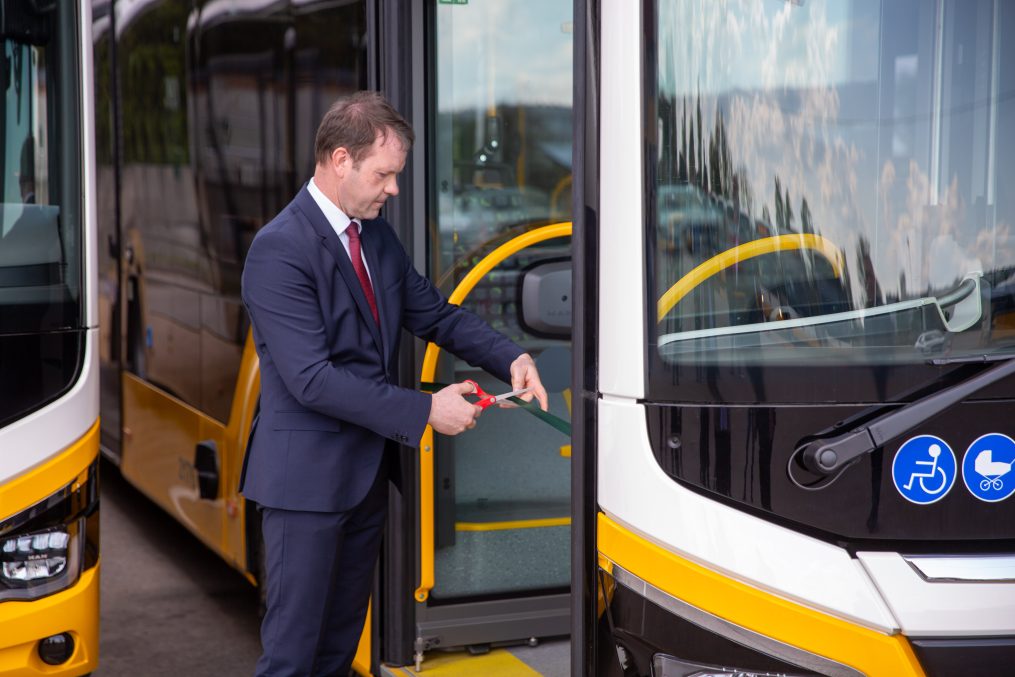
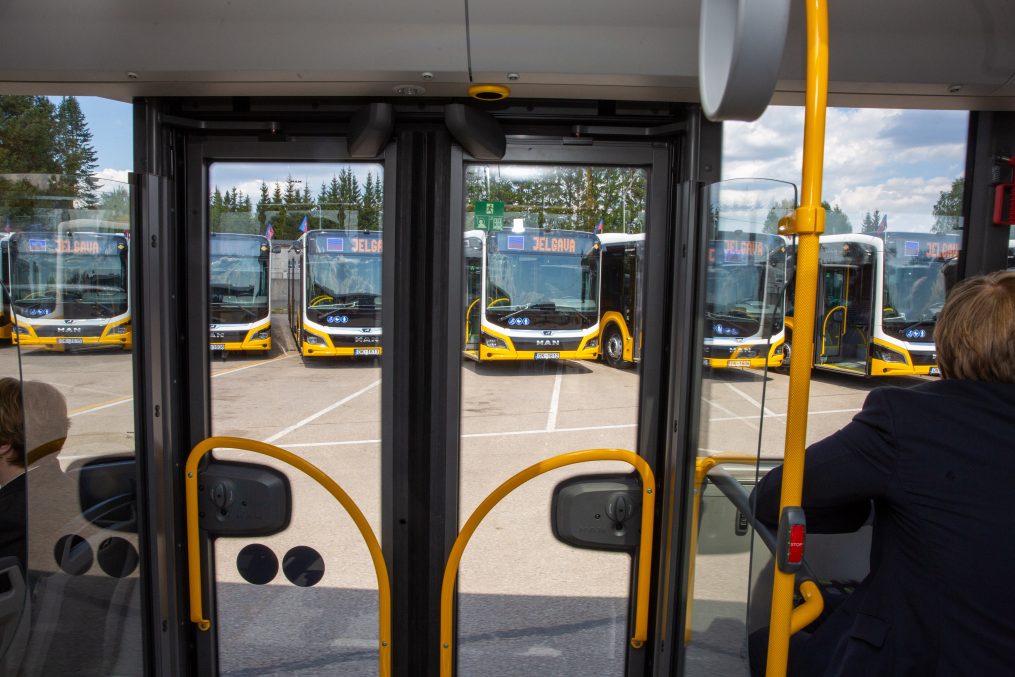
The city of Jelgava, a major regional hub in Latvia, has officially begun the rollout of 10 new diesel-hybrid buses to modernise its aging public transport infrastructure. Starting May 16, these vehicles will gradually enter service, marking a significant step in the city’s transition toward a more sustainable and reliable transit network.
SIA “Jelgavas autobusu parks” (JAP), the municipal transport provider, confirmed that the new fleet consists of MAN M3-category first-class buses. These vehicles are equipped with a diesel-hybrid system designed to reduce fuel consumption and lower emissions compared to traditional internal combustion engines. This acquisition comes at a critical time for the city, as it balances the immediate need for fleet renewal with the long-term goals of the European Union’s green energy directives.
Addressing an Aging Infrastructure
The decision to invest in hybrid technology was driven by the deteriorating state of the current fleet. According to Gints Burks, a board member at JAP, some of the buses currently serving the city’s residents have been in operation for 16 years. Many of these vehicles have clocked over one million kilometres—a distance equivalent to circling the Earth twenty-five times.
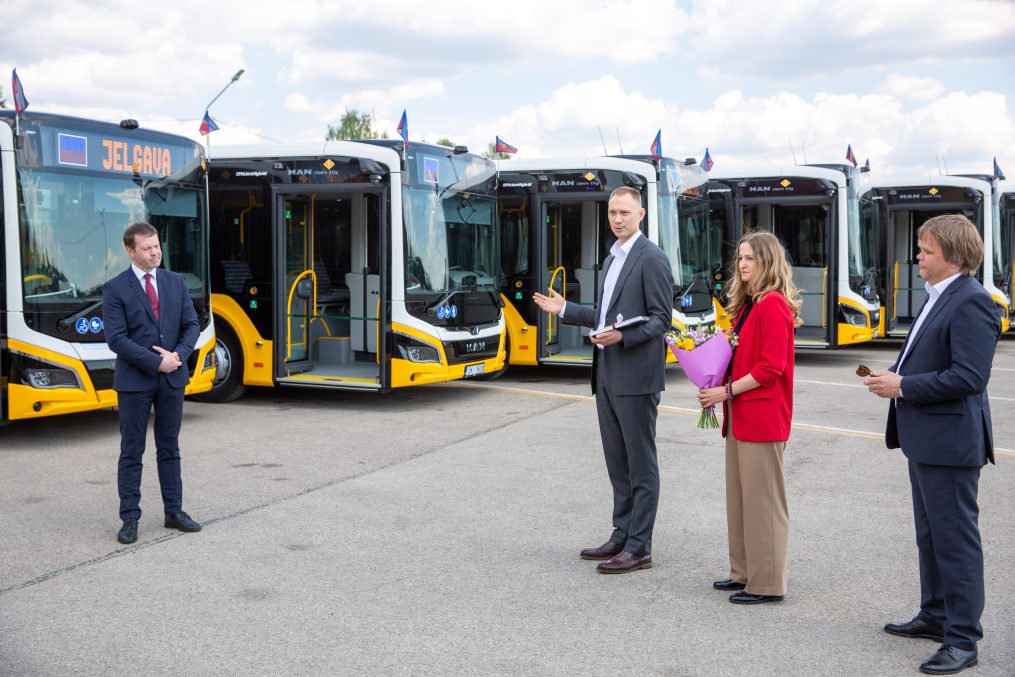
Maintaining such high-mileage vehicles presents significant challenges for service reliability and passenger safety. The new MAN buses, supplied by SIA “Avar Auto,” the official representative of MAN Truck & Bus SE in Latvia, are expected to provide a more comfortable and secure experience for commuters while reducing the frequency of mechanical breakdowns that plague older models.
Investment and Technical Specifications
The procurement represents a substantial capital investment for the municipal carrier. Each bus carries a price tag of €290,320 (excluding VAT). The transition to hybrid technology serves as a pragmatic middle ground while the city awaits further opportunities for full electrification.
| Feature | Project Detail |
|---|---|
| Number of Units | 10 |
| Manufacturer | MAN Truck & Bus SE |
| Vehicle Category | M3 First-Class |
| Unit Cost | €290,320 (excl. VAT) |
| Service Commencement | May 16 (Gradual rollout) |
| Propulsion | Diesel-Hybrid |
The Path to Zero Emissions
While the new hybrids are a welcome addition, they are part of a much larger strategy to align with the European Parliament and Council directive regarding the introduction of zero-emission vehicles. Jelgava has already made notable strides in this area, with approximately 12% of the city’s passenger transport currently handled by fully electric buses.
The city is also looking toward the future of fuel technology. Under the “H2Value” project, JAP is currently testing a hydrogen-powered bus manufactured by Toyota Caetano. These tests are intended to evaluate the viability of hydrogen as a primary fuel source for Baltic winters and urban stop-and-go traffic.
However, the move to a 100% zero-emission fleet is not without its hurdles. JAP officials noted that while they remain committed to the EU’s clean vehicle goals, the current lack of available EU co-financing for the direct purchase of zero-emission buses necessitated the acquisition of these hybrid models. This reflects a broader challenge faced by mid-sized European cities: the desire to go fully green is often tempered by the immediate financial reality of maintaining a functional public service.
Impact on Regional Commuting
For the residents of Jelgava, the arrival of the new fleet means more than just lower emissions. The modern interiors, improved accessibility features, and enhanced climate control systems represent a significant upgrade in the quality of daily life for the thousands who rely on the bus network. As the older, million-kilometre veterans of the road are phased out, the city moves closer to a transport system that meets modern European standards for both efficiency and environmental responsibility.
Source: Jelgavas valstspilsētas pašvaldība

Comments