
North Yorkshire gull plan targets cleaner coastal towns
By Beehive Web regional news desk
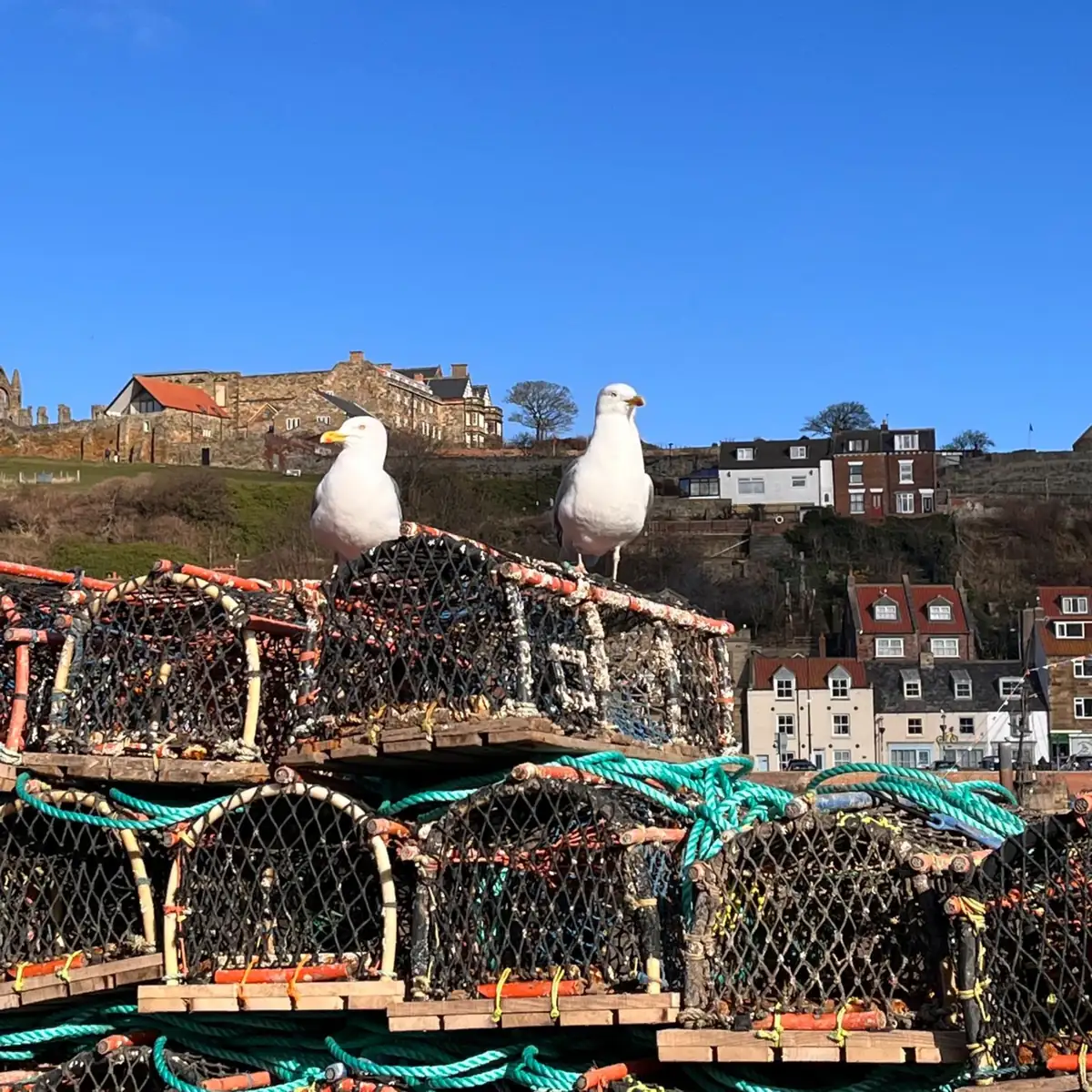
North Yorkshire’s coastal town centres could see a more coordinated approach to gull problems under a proposed urban gull strategy covering Scarborough, Whitby and Filey.
The draft plan sets out a long-term way to manage urban gulls while recognising that species including herring gulls and kittiwakes are protected under the Wildlife and Countryside Act 1981. It focuses on reducing food waste, improving public awareness, targeting cleaning in problem areas, using safe deterrents and continuing population surveys.
North Yorkshire Council says the strategy is intended to balance conservation duties with the everyday concerns raised by residents, visitors and businesses in busy seaside centres.
Cleaner streets and fewer food conflicts
The council says gulls have become a growing challenge in urban areas, especially where food waste is easy to access. In town centres, that can mean scavenging, birds taking food, fouling, nesting activity and noise close to homes, shops, cafes and visitor areas.
The strategy is not framed as a short-term removal programme. Instead, it points towards changing the conditions that draw gulls into the most problematic parts of Scarborough, Whitby and Filey.
That means tighter attention to litter and food waste, better understanding of gull behaviour and more targeted cleaning at known hotspots. The approach also places responsibility beyond the council alone, with landowners and local businesses expected to play a role where buildings, waste storage or feeding opportunities contribute to the issue.
The plan sits alongside wider local interest in cleaner public spaces, including other council-led waste and street cleanliness changes such as new street cleaning and bin service measures being pursued elsewhere in England.
Protected birds in busy seaside centres
Gulls are a familiar part of the North Yorkshire coast, but their protected status limits what councils and property owners can lawfully do. Herring gulls, often called seagulls, and kittiwakes cannot simply be disturbed or removed without regard to wildlife law.
Cllr Richard Foster, executive member for managing the environment, said gulls were “an intrinsic part of the North Yorkshire coast” and that coastal towns had lived alongside them for generations.
He said their increasing presence still brought challenges, and that the proposed strategy aimed to recognise both the need to protect species and the need to reduce the impact on residents, businesses and visitors.
“By focusing on practical measures such as reducing food waste, improving awareness and using effective deterrents, we can support long-term coexistence and ensure our coastal towns remain clean, safe and welcoming places for everyone,” he said.
The council says the strategy has been developed using evidence and feedback from local businesses, national conservation data and discussions with the Yorkshire Coast Urban Gull Partnership, Natural England, the Environment Agency, the Royal Society for the Protection of Birds and Yorkshire Water.
Debate before a decision later this year
The draft urban gull strategy is due to be discussed by the Scarborough and Whitby area committee on Friday, 5 June 2026, as part of the consultation process.
Cllr Liz Colling, chair of the committee, said she was looking forward to the debate and wanted to see how proposed changes to food waste and litter behaviour could affect the cleanliness of coastal towns and the way gulls behave.
If the strategy is later adopted by the council’s executive, it will guide how gull management is carried out across Scarborough, Whitby and Filey. The council says monitoring and reviews would continue so measures remain effective, lawful and aligned with conservation requirements.
Source: North Yorkshire Council
Context & actions About this article
Source check Source trail
This article is based on North Yorkshire Council’s published notice about the proposed urban gull strategy for Scarborough, Whitby and Filey.
- Confirmed the strategy covers Scarborough, Whitby and Filey.
- Checked that the council identifies herring gulls and kittiwakes as protected species.
- Verified the stated committee discussion date as Friday, 5 June 2026.
- Separated proposed measures from actions that would only follow adoption by the council ex...
- Source
- North Yorkshire Council
- Scope
- North Yorkshire coast
- Updated
- 2026-05-28 19:13
Source check
Report a trust issue
Send a clear signal to community moderation if the source, facts or context need review.




Comments