
Shropshire streets set for cleaner future with bin service overhaul
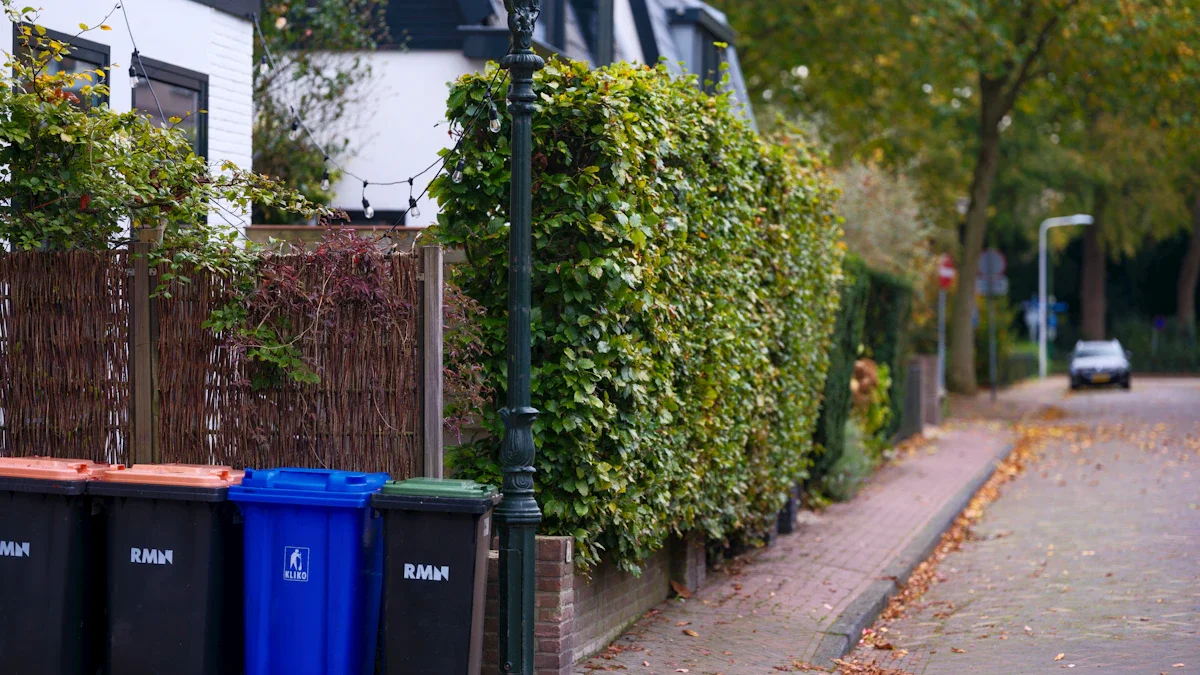
Shropshire is transitioning to a data-driven waste management system to tackle litter overflow and improve operational efficiency. The updated strategy focuses on high-footfall areas and utilizes new technology to ensure public spaces remain clear of refuse.
📌 Svarbiausi akcentai
* Smart Sensors: Installation of fill-level sensors in high-capacity bins to prevent overflows.
* Route Optimization: GPS-tracked collection paths to reduce fuel consumption and carbon emissions.
* Increased Frequency: Market towns and tourist hotspots will see more frequent collection cycles during peak hours.
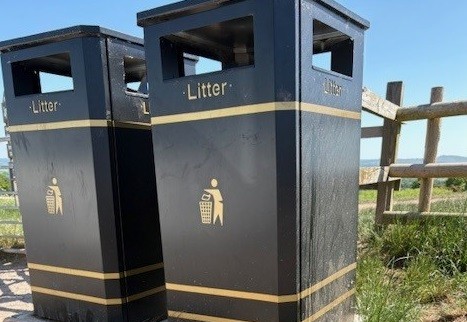
* Infrastructure Upgrade: Replacement of aging bins with modern, pest-proof units in key rural and urban locations.
Smart sensors and real-time monitoring
The implementation of smart sensor technology allows collection teams to receive real-time alerts when bins reach 80% capacity. This shift from fixed schedules to demand-based collection ensures that resources are deployed precisely where they are needed. By monitoring fill rates, the service can prioritize bins in busy town centers that often reach capacity faster than anticipated during weekends or public events.
Carbon reduction through route optimization
The overhaul includes a complete redesign of collection vehicle paths based on historical data. By utilizing expert guides on regional development and logistics mapping, the service has identified ways to reduce unnecessary mileage by 15%. This strategy directly lowers the local carbon footprint while maintaining high public hygiene standards across the county.
| Service Feature | Implementation Goal |
|---|---|
| Smart Bin Sensors | Real-time overflow prevention |
| Dynamic Routing | 15% reduction in vehicle emissions |
| High-Footfall Focus | Daily collections in market squares |
| Maintenance Logging | 24-hour response to bin damage or graffiti |
Budget allocation and equipment upgrades
A dedicated portion of the municipal budget has been allocated to replace 200 aging bins with larger, seagull-proof models in high-traffic zones. Crews are now equipped with handheld devices to log maintenance issues, such as physical damage or vandalism, directly into the central management system. This integration allows for faster repair times and ensures the longevity of the county’s street furniture.
Frequently Asked Questions
Why is Shropshire moving away from traditional fixed bin collection schedules?
The transition to a data-driven system replaces ‘estimated’ collections with real-time accuracy. Traditional schedules often lead to bins overflowing in busy areas while trucks waste fuel visiting empty bins in quieter spots. By using sensors to signal when a bin reaches 80% capacity, the council ensures resources are deployed exactly when and where they are needed, maintaining higher hygiene standards across the county.
How do the new smart sensors and GPS routing work to keep streets cleaner?
Each upgraded bin is equipped with an infrared fill-level sensor that transmits data to a central logistics hub. When a bin nears capacity, it is automatically added to the next dynamic collection route. Collection vehicles use GPS-optimized paths to reach these ‘priority bins’ via the most efficient route possible, preventing the physical overflow of litter and reducing the time waste associated with manual inspections.
What is the direct impact of this waste overhaul on local air quality and traffic?
Beyond cleaner pavements, the primary benefit is a 15% reduction in vehicle mileage. By eliminating unnecessary collection stops, fewer heavy vehicles are idling in market towns and rural lanes. This directly lowers local carbon emissions and nitrogen dioxide levels, contributing to a quieter, less congested environment for residents and tourists in high-footfall zones.
How can I report an issue with a bin or track the rollout in my area?
Shropshire is introducing a 24-hour maintenance logging system for any damaged or vandalized units. Residents can report issues through the official council portal or stay updated on the phased rollout of pest-proof bins via beehiveweb.co.uk, which provides localized insights into the county’s ongoing infrastructure and regional development projects.
Source: Shropshire Council Newsroom




Comments