
Safe Swimming in Riga: A Guide to the 2026 Season

As the summer heat begins to settle over the Baltic, Riga has officially inaugurated its 2026 swimming season. For residents and the growing number of international visitors to the Latvian capital, the city has coordinated a robust safety and infrastructure plan across its diverse waterfronts. Whether you prefer the salty breeze of the Gulf of Riga or the calm waters of the Daugava River, the city now offers nine officially sanctioned locations where safety is the priority.
Where to Swim: Coastal and Inland Options
Riga is unique among European capitals for offering both seaside and freshwater swimming within the city limits. This year, the municipal authorities have designated nine official swimming areas, categorized by their environment:
- Coastal Beaches: Daugavgrīva, Vakarbuļļi, and Vecāķi. These spots offer the classic Baltic Sea experience with wide sandy dunes.
- Inland Spots: Rumbula, Bābelītis, Ķīpsala, Lucavsala, and Lucavsala Bay.
- New for 2026: The Bolderāja Quarry has been added to the list of official inland swimming sites, providing a new freshwater alternative for those in the northern part of the city.
Additionally, while Ķīšezer lake has not yet attained “official” status, it remains a popular spot and will receive lifeguard patrols throughout the season.
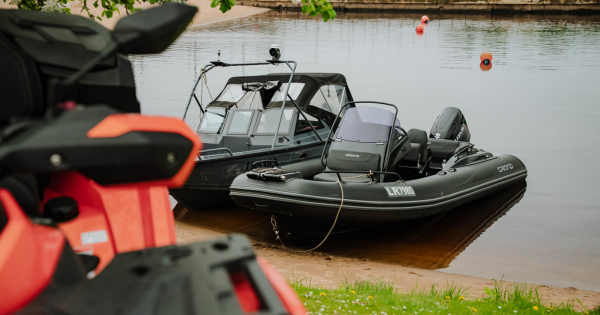
Lifeguard Patrols and Safety Standards
The Riga Municipal Police (RVPP) has deployed approximately 60 professional lifeguards to monitor these sites. For those planning a visit, it is essential to note that active patrols operate daily from 10:00 AM to 10:00 PM. While some rescue stations remain staffed overnight, the presence is significantly reduced, and the city advises against night swimming for safety reasons.
Last year’s statistics highlight the importance of these patrols. In 2025, lifeguards performed 16 rescue operations, provided first aid nearly 60 times, and reunited seven lost children with their families. The message from local authorities is clear: even in calm-looking waters, overestimating one’s swimming ability or losing focus on children can lead to tragedy in seconds.

Infrastructure and Accessibility Improvements
Riga is investing heavily in making its waterfronts more inclusive and comfortable. A significant highlight for the 2026 season is the expansion of accessibility features. New wooden boardwalks have been installed to assist those with mobility issues, and additional beach-accessible wheelchairs (peldkrēsli) are available for use.
To maintain high hygiene standards, the city has installed 76 sanitary units and five outdoor sinks across the swimming zones. Visitors will also notice new lifeguard modules and updated information stands that provide real-time water quality data and safety rules. For families, several playgrounds have undergone safety inspections and sand replenishment to ensure a safe environment for children.

The Blue Flag Guarantee
For international travelers, the “Blue Flag” is the gold standard for beach quality, and Riga continues to excel here. This year, four beaches have been awarded Blue Flag status, including Daugavgrīva for the first time. This certification ensures that the beach meets stringent criteria regarding water quality, environmental management, and safety services.
As the season progresses, the city will continue monitoring water quality at 26 different points across the municipality. While the infrastructure is in place to provide a safe experience, officials remind all visitors that personal responsibility remains the most effective safety measure. Avoiding risky behavior, such as jumping from heights or swimming beyond marked buoys, is essential for a trouble-free summer on the water.
Source: Rīgas valstspilsētas pašvaldība



Comments