
Croydon launches dementia support events and brain health initiative
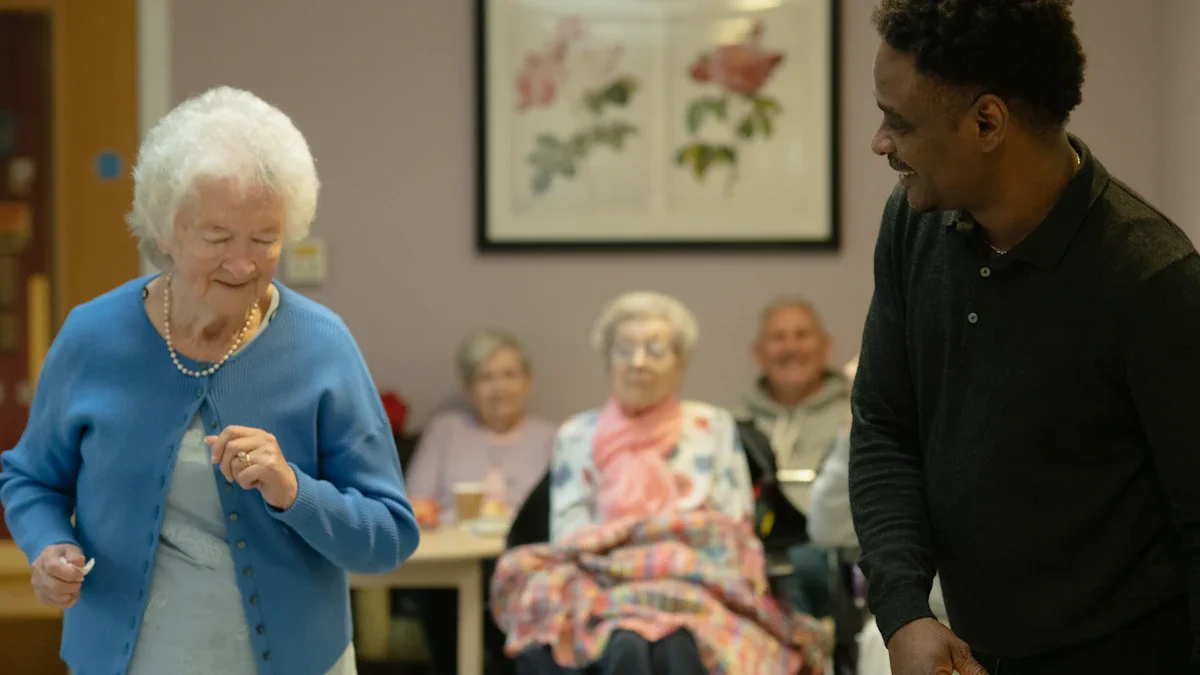
Croydon residents have access to a comprehensive suite of resources and activities this May as the borough marks Dementia Action Week. Running from 18-24 May, the initiative focuses on raising awareness, promoting preventative lifestyle choices, and strengthening the local support network for the thousands of people living with dementia and their dedicated carers.
Reader context
- Event Dates: 18–24 May 2026
- Location: Various venues across Croydon, including Croydon University Hospital and community hubs.
- Cost: Most sessions and workshops are free to attend.
- Key Participants: Croydon Council, Alzheimer’s Society, Croydon NHS Foundation Trust, and the Dementia Action Alliance.
Support services and events for Croydon residents
Throughout the week, the Croydon Dementia Action Alliance is hosting a variety of interactive sessions designed to bridge the gap between diagnosis and community support. These include Dementia Friends sessions, which are brief information programs that change the way people think, act, and talk about the condition. By participating, residents learn how to spot the signs of dementia and provide meaningful assistance to neighbors or family members.
Local organizations and the Alzheimer’s Society are also opening their doors for creative workshops and information sessions. These events serve as a vital entry point for families who may feel overwhelmed by a recent diagnosis. The Dementia Action Alliance—a partnership including the Council, health and care organizations, the voluntary sector, and emergency services—is working to ensure that Croydon remains a place where those with cognitive impairments can navigate daily life with dignity and safety.
Five lifestyle habits to protect cognitive health
While age is the primary risk factor for dementia, it is not an inevitable part of growing older. Current clinical evidence suggests that proactive lifestyle adjustments can significantly lower the risk of cognitive decline. The “Think Brain Health” campaign, supported by the Alzheimer’s Society, highlights five key areas where residents can take control of their long-term wellness:
- Physical Activity: Regular movement helps maintain healthy blood flow to the brain.
- Nutritional Balance: Adopting a diet rich in antioxidants and healthy fats supports neurological function.
- Social Connection: Staying engaged with friends and community groups helps build cognitive reserve.
- Alcohol Moderation: Reducing intake limits the neurotoxic effects of alcohol on brain tissue.
- Mental Stimulation: Keeping the mind active through reading, puzzles, or learning new skills helps maintain synaptic connections.
These simple steps are being promoted across the borough to empower residents of all ages to prioritize their neurological health long before symptoms appear.

Creating a dementia-friendly environment at Croydon University Hospital
One of the most tangible developments in the borough’s strategy is the ongoing transformation of Croydon University Hospital. A dedicated fundraising appeal is currently underway to create a dementia garden—a calm, accessible green space specifically designed for older patients.
Sharling Bovell, Lead Nurse for Dementia Care at Croydon NHS Foundation Trust, explains that hospital environments can be particularly distressing for those with cognitive impairments. Beyond physical ailments, the confusion of a clinical setting often exacerbates symptoms. The new garden aims to provide a psychological sanctuary, offering a sensory-rich environment that can reduce agitation and promote healing.
Jason Perry, Executive Mayor of Croydon, noted that the borough is committed to reducing the stigma associated with dementia. By improving local services and encouraging residents to take small, preventative steps, the Alliance aims to build a community where everyone can age well. Detailed schedules for all Dementia Action Week events are available through the official Croydon Council digital portals and local library hubs.
Source: Croydon Council




Comments