
Setting Boundaries: 2026 Summer Work-Life Balance Strategies
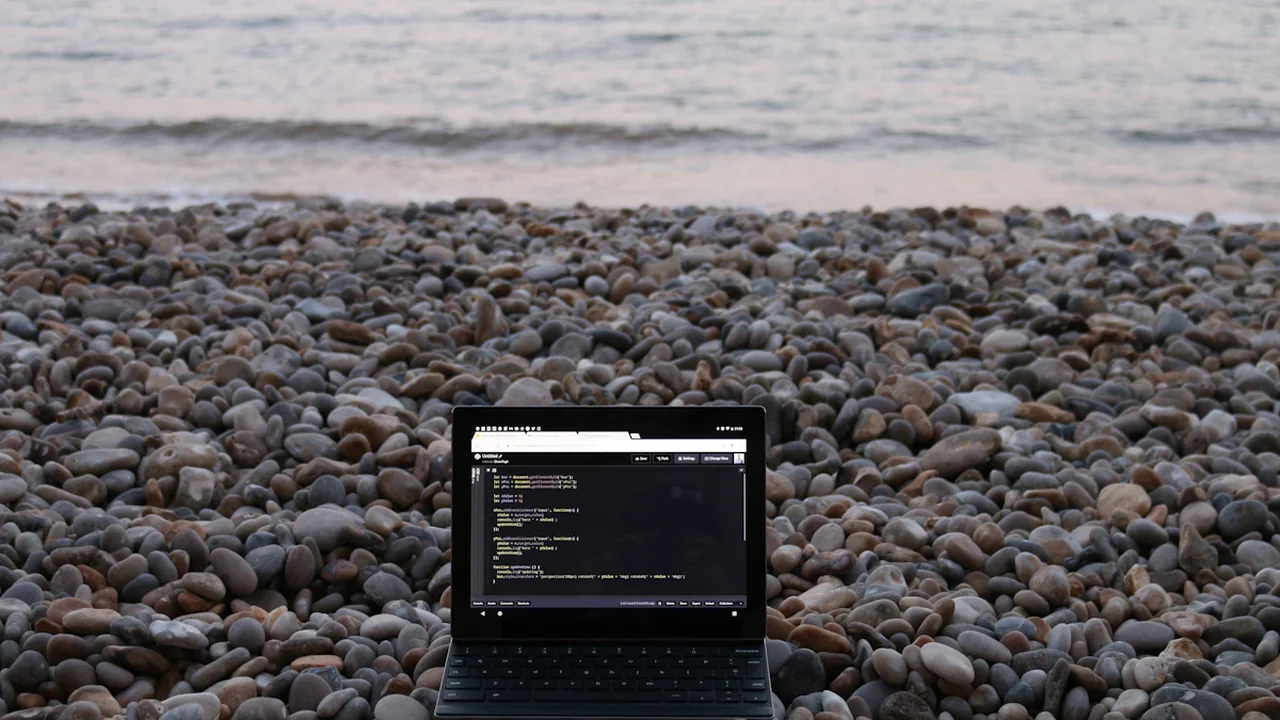
As the calendar shifts toward the long summer stretch, the intersection of project deadlines, school holiday childcare gaps, and the natural urge to disconnect creates a unique pressure point. For many professionals, this season is not merely a change in weather but a structural shift in how we manage our attention. Managing this transition requires more than just a calendar update; it demands a deliberate approach to personal limits and the courage to define what ‘enough’ looks like before the rush begins.
Learning from the masters of focus
When we think of productivity, we often focus exclusively on output. However, the most sustainable careers are built on the ability to pause and recalibrate. Dolly Parton, a master of long-term career management and creative endurance, once noted: “I’m not a workaholic. I’m a work-lover. But I know how to turn it off.” This distinction is vital for the summer months. It suggests that boundaries are not obstacles to success but the very mechanisms that allow us to maintain our enthusiasm for work over the long term. By treating rest as a professional requirement rather than a luxury, we protect our capacity for future innovation.
Similarly, Anne Lamott, writing on the necessity of rest and mental clarity, famously observed: “Almost everything will work again if you unplug it for a few minutes, including you.” This is a timely reminder for those heading into a busy summer season. If you feel your creative or operational capacity dipping, the answer is rarely to push harder; it is to create a circuit-break in your routine. This “unplugging” is not about laziness; it is a diagnostic tool for your own mental hardware.
The architecture of professional boundaries
To build a sustainable summer, we must look at how we structure our days. Cal Newport, a professor and author focused on deep work, often emphasizes that “clarity about what matters provides clarity about what does not.” This is the core of effective boundary setting. If you do not define your priorities, the summer drift will define them for you.
Consider the perspective of author and artist Austin Kleon, who advocates for the importance of “the gap” in creative work. He suggests that we need “a place to go to get away from the work,” noting that “you have to have a life to have a life’s work.” This reinforces the idea that your summer downtime is not just a break from your career—it is the fuel that makes your career possible. Without the “gap,” the work loses its context and its quality.

Practical steps for summer planning
To move from reflection to action, consider these strategies for your team or personal planning sessions:
- The ‘Shutdown’ Ritual: Define exactly what ‘finished’ looks like at the end of the day. Is it closing all browser tabs, writing a prioritized list for tomorrow, or simply walking away from the desk at a set time? A ritual signals to your brain that the workday is complete, preventing the “work-creep” that often happens when we work from home or during flexible summer hours.
- The Calendar Audit: Look at your upcoming summer weeks. If you are at 80% capacity or higher, you have no buffer for the inevitable disruptions of the season. Aim for 70% to maintain agility. This 30% buffer is your safety net for unexpected childcare issues, project delays, or the need for a spontaneous mental health day.
- Communication Clarity: Clearly state your availability to colleagues before you enter a period of leave. Setting expectations early prevents the ’emergency’ emails that ruin downtime. Use automated responses to direct people to the right resources, rather than just stating you are away.
Reflective prompts for your diary
Use these questions to guide your planning before the summer rush begins. Set aside 15 minutes this week to answer them honestly. Writing these down can help solidify your commitment to your own boundaries:
- What is one task I am currently doing that could be delegated, delayed, or deleted entirely before July?
- If I had to work 20% fewer hours this summer, which projects would I prioritize to ensure the most impact?
- What does ‘fully unplugged’ actually look like for me, and what is the one barrier preventing me from achieving it?
- How will I measure the success of my summer? Is it by the projects completed, or by the energy I have left at the end of August?
By deciding on your limits now, you protect your energy for when it is needed most. Boundaries are the infrastructure of a sustainable career, not an afterthought. When you treat your rest with the same seriousness as your deadlines, you ensure that you return from the summer not just refreshed, but ready for the challenges of the autumn.
Source: Editorial research
Context & actions About this article
Source check Editorial Note
This guide synthesizes management principles and psychological insights to help readers manage seasonal workload transitions.
- Review calendar capacity
- Establish communication norms
- Define daily shutdown rituals
- Source
- BeehiveWeb Editorial
- Scope
- United Kingdom
- Updated
- 2026-06-08 17:03
Source check
Report a trust issue
Send a clear signal to community moderation if the source, facts or context need review.




Comments