
Stoke-on-Trent’s free bee event set for 1 August
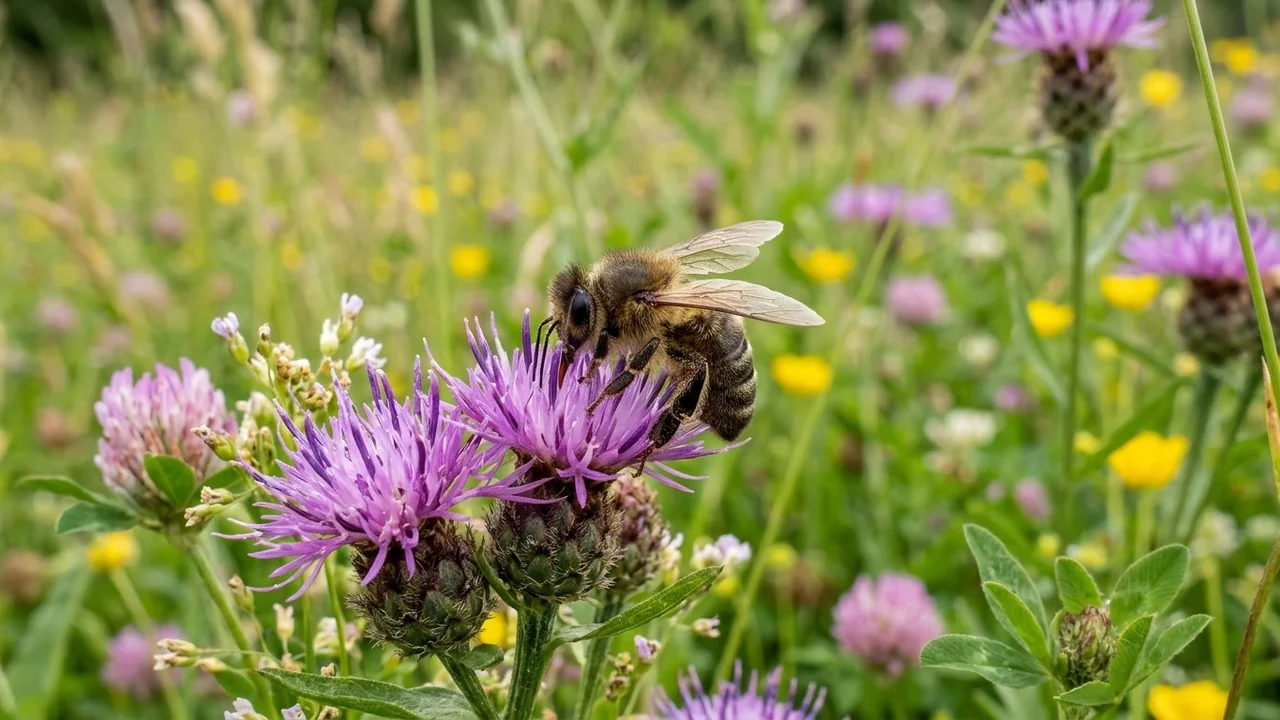
Stoke-on-Trent residents will be able to find out how to help bees and other pollinators at a free Bee Friendly City event in Burslem Park on Saturday, 1 August.
The event is open to residents and is part of Stoke-on-Trent City Council’s bid for Bee Friendly City status. A start time has not yet been listed in the source information, so visitors should check the council’s Bee Friendly City updates before setting off.
The campaign is asking residents, schools, community groups and businesses to share what they are already doing to support pollinators across the city. Those actions will be added to a city-wide map of bee friendly activity, helping show the spread of local conservation work.
Free event at Burslem Park on 1 August
| Detail | Information |
|---|---|
| Event | Bee Friendly City event |
| Date | Saturday, 1 August 2026 |
| Time | Not yet listed |
| Venue | Burslem Park, Burslem, Stoke-on-Trent |
| Cost | Free |
| Who it is for | Residents |
| Organiser | Stoke-on-Trent City Council |
The Burslem Park event will give residents a chance to learn more about the Bee Friendly City campaign and discover ways they can get involved.
The source notice does not list booking, transport or accessibility details. It describes the event as open to residents and free to attend.
A city map of bee friendly spaces
Stoke-on-Trent’s bid is built around creating a network of pollinator-friendly spaces across the city. The council says this builds on existing work including wildflower meadows, naturalised grassland areas and wildlife-friendly planting in parks, nature reserves and other green spaces.
Residents are being asked to tell the council about steps they are taking, from planting nectar-rich flowers to leaving areas to grow wild or reducing pesticide use. The information will be added to the city’s Bee Friendly map.
That makes the campaign wider than a single park event. A window box, a garden border, a school plot, a business frontage or a community green space could all form part of the picture if they help bees and other pollinating insects.
For readers interested in similar free green events elsewhere, Beehive has also covered a free family day out on Plymouth’s Big Green Trail.
Three ways residents are being asked to help
The council has named three simple actions for people who want to support bees and other pollinators in Stoke-on-Trent.
Residents can create a pollinator pitstop by planting nectar-rich flowers where bees and other insects can stop to refuel. They can also let part of a lawn or green space grow wild instead of keeping every area closely cut.
The third step is to avoid pesticides that can harm bees and other pollinators. The source notes that bees and other pollinators are essential for many wildflowers, plants and crops, while evidence shows many bee species are in decline.
Councillor Lyn Sharpe, Bee Friendly City champion at Stoke-on-Trent City Council, said people do not need a large garden or lots of space to take part. She said a few bee-friendly plants, a window box or leaving part of a garden to grow naturally can make a real difference.
How to add your activity to the campaign
Residents, businesses and organisations can let the council know what they are doing for pollinators by emailing Climate and Nature Officer Liz Peck at [email protected].
The council says submitted activities will be added to the city’s Bee Friendly map. More information about the Bee Friendly City campaign, including advice and resources, is available through the council’s Bee Friendly pages at www.stoke.gov.uk/beefriendly.
Source: Stoke-on-Trent City Council
Context & actions About this article
Source check Source trail
This preview is based on Stoke-on-Trent City Council’s published event and campaign information.
- Confirmed the event date as 1 August 2026.
- Confirmed the venue as Burslem Park in Burslem, Stoke-on-Trent.
- Confirmed the event is free and open to residents.
- Noted that start and end times were not listed in the source.
- Source
- Stoke-on-Trent City Council
- Scope
- Stoke-on-Trent
- Updated
- 2026-06-25 12:31
Source check
Report a trust issue
Send a clear signal to community moderation if the source, facts or context need review.




Comments