
The Global Rise of Counterfeit Weight-Loss Drugs: How to Stay Safe
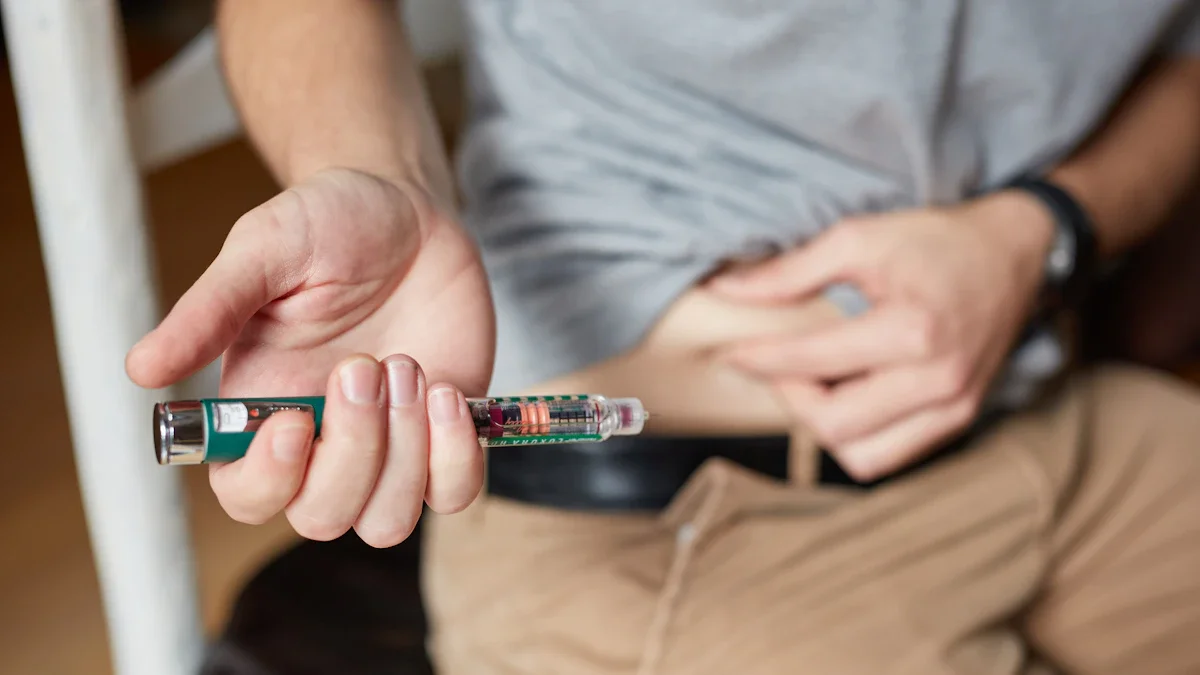
The convenience of online shopping has fundamentally changed how we access healthcare, but it has also opened a dangerous door for criminal networks. Across Europe and the UK, health authorities are raising the alarm over a surge in counterfeit and unapproved medications. These illicit products, often marketed through sophisticated websites and social media ads, promise quick results and lower prices but frequently deliver life-threatening consequences.
Recent data from international health organizations and pharmaceutical manufacturers indicates that the illegal trade in medicines is intensifying. While official reports of counterfeit drugs sometimes fluctuate, law enforcement seizures tell a different story: the volume of confiscated illegal substances is on the rise. This discrepancy suggests that many patients who experience adverse reactions from unverified online purchases are too embarrassed or unaware to report them, leaving the true scale of the problem hidden.
Why Weight-Loss Medications Are Primary Targets
The current global demand for weight-loss treatments, particularly those containing semaglutide (the active ingredient in brands like Wegovy and Ozempic), has created a perfect storm for counterfeiters. Criminal groups are actively exploiting patient desperation and supply shortages by offering products they claim are “equivalent,” “alternative,” or “generic” versions of these high-demand drugs.
A critical red flag for consumers in Europe and the UK involves the form of the medication. For instance, while oral (tablet) versions of certain semaglutide products have been developed in the United States, they are currently not registered or legally available for weight loss in many European markets, where the medication is strictly provided in injectable form. Any website offering “Wegovy tablets” to UK or EU residents is almost certainly distributing a counterfeit product.
Real Consequences of Unverified Purchases
The risks associated with these fakes go far beyond financial loss. Counterfeit medications often lack the active ingredient entirely or, more dangerously, contain the wrong dosage or toxic impurities. In one documented case in Italy, a 41-year-old woman was rushed to intensive care after losing consciousness. Testing revealed that the “medication” she purchased online contained a completely different, highly dangerous substance instead of the semaglutide it claimed to be.
Beyond chemical toxicity, there is the issue of manufacturing standards. Many illegal medications are produced in non-sterile environments. Patients using counterfeit injectable pens have reported severe infections and localized tissue damage, as well as systemic allergic reactions that require emergency medical intervention.
How to Verify Your Medication is Legitimate
Identifying a counterfeit drug is becoming increasingly difficult as packaging becomes more sophisticated. Scammers now replicate holographic seals, batch numbers, and branding with high precision. However, there are several steps consumers can take to protect themselves:
- Check for the Common Logo: Legitimate online pharmacies operating in the UK and EU must display a specific, clickable logo on every page. This logo links to the national regulatory body’s register of authorized pharmacies.
- Verify the Source: Only purchase prescription medications from pharmacies registered with the General Pharmaceutical Council (GPhC) in the UK or the equivalent health authority in your region.
- Be Wary of “Prescription-Free” Offers: Any site offering to sell prescription-only medication without a valid consultation or a legitimate prescription is operating illegally.
- Inspect the Packaging: Look for spelling errors, unusual fonts, or instructions that do not match what your doctor described. If the price seems too good to be true, it almost certainly is.
Steps to Take Before You Buy
Before starting any new medication, especially for chronic conditions like obesity or diabetes, a consultation with a healthcare professional is essential. They can provide a legitimate prescription and advise on the safest way to obtain the drug through authorized supply chains.
If you have already purchased medication online and suspect it may be counterfeit, do not use it. Contact your local pharmacy or GP for advice on how to dispose of it safely and report the incident to the MHRA (Medicines and Healthcare products Regulatory Agency) via the Yellow Card scheme. Your report could prevent others from falling victim to the same scam.
Original reporting by: elta
Source: ELTA



Comments